
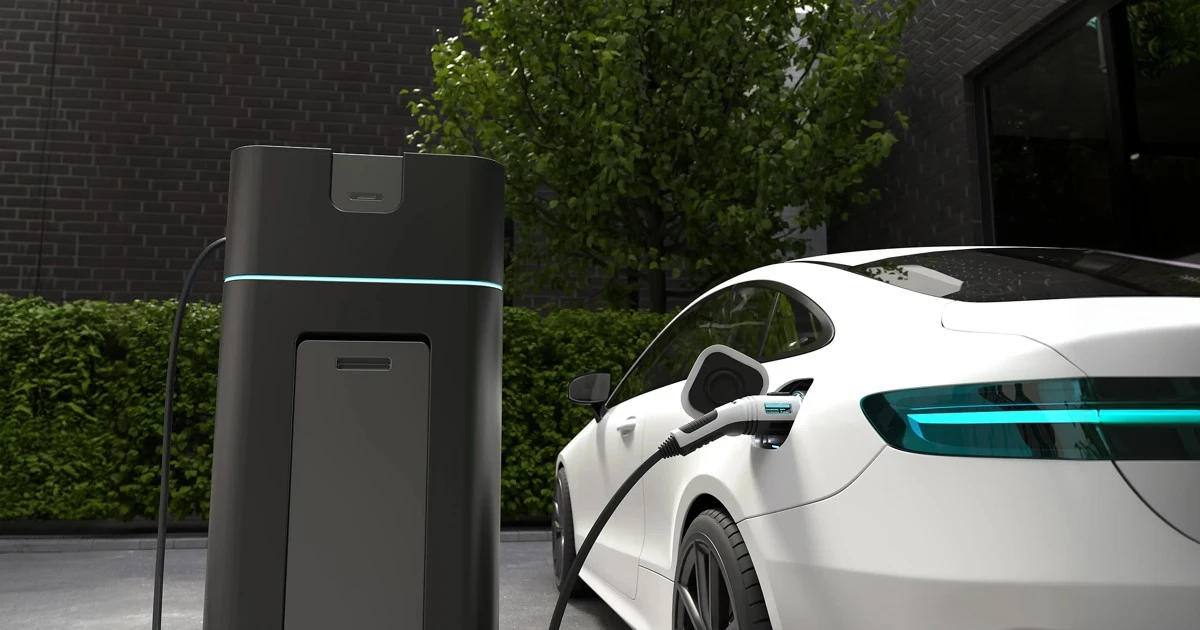
Tax on Electric Cars is Coming
Drivers Face New Era of Road Taxation as Electric Revolution Sparks Treasury Rethink
The government is evaluating a substantial overhaul of motoring taxation, with operators of electric cars central to the proposed changes. Whitehall officials are actively exploring the implementation of a fresh charge specifically for battery-powered automobiles. This development arises as Rachel Reeves, the chancellor, contends with immense pressure to find new sources of state income to manage a significant fiscal shortfall. The country's move towards electric motoring, while vital for environmental objectives, has created an expanding gap in the nation's finances. Income from traditional fuel duty, a dependable source of revenue for many years, is dwindling as motorists abandon vehicles powered by traditional fuels.
A Question of Fairness on Britain's Road
Ministers are presenting the potential new charge as a matter of equity for all road users. An official from the government recently drew attention to the imbalance in the current system. They noted that while owners of gasoline and diesel cars contribute substantially through fuel duty, no direct parallel exists for individuals who operate electric vehicles. The government's declared objective is to forge a more balanced taxation framework, ensuring all motorists contribute to the maintenance of public amenities and infrastructure. This move comes after the removal of the road tax exemption for electric cars, an alteration that became effective earlier this year.
Unveiling the Pay-Per-Mile Proposal
Recent reports indicate the forthcoming Budget will contain plans for a mileage-based system targeting electric vehicle owners. According to information provided to the media, a fee of approximately three pence could be imposed on motorists for every mile they travel. This would represent an additional expense alongside existing motoring duties. For a typical individual with an EV, this could mean an added cost of £250 each year. The government would not roll out the proposed scheme until 2028, following a public consultation, and it is intended to help the Treasury recover some of the billions lost from dwindling fuel duty income.
How a Mileage-Based System Could Work
The operational details of the proposed pay-per-mile system are crafted to sidestep intrusive tracking technology. Instead of employing GPS to log every trip, the plan would necessitate that drivers predict their total mileage for the year ahead. This projection would serve as the foundation for their yearly payment, which would be collected with the current road tax. When the twelve-month period concludes, adjustments would be made. Drivers who covered fewer miles than predicted would get a credit for the next year, whereas those who surpassed their estimate would have to make an additional payment.
Hybrids Included in New Tax Structure
The proposed mileage-based fee would extend beyond fully electric vehicles. Individuals who own hybrid models, which feature a traditional engine alongside battery power, would also fall under the new system. However, officials intend to set a reduced fee for these vehicles, recognising their partial dependence on petrol or diesel. This tiered method shows the government's aim to design a tax structure that aligns with varying levels of road usage and emissions. The specific details of the reduced amount for hybrids are anticipated during the upcoming consultation.
Plugging the Gaping Hole in The National Coffers
The urgency driving these proposals originates from a looming fiscal crisis. Fuel duty on traditional fuels at present brings in approximately £25 billion for the Treasury annually. However, with the government’s mandate for zero-emission vehicle sales, this revenue source is poised to contract significantly. Forecasts suggest a potential deficit of £35 billion by 2030 as the electric switchover gathers pace. This situation has compelled the administration to investigate alternative methods for taxing motorists to guarantee the ongoing funding of essential public services and road upkeep, creating a complex policy challenge.
The End of Tax Perks for Electric Cars
For many years, the government promoted the changeover to battery-powered cars with various financial incentives, including exemptions from road tax. This approach successfully stimulated the market, but the situation is now shifting. Starting in April 2025, new electric cars are no longer free from Vehicle Excise Duty (VED). In their first year, new EVs must pay a token £10 charge, which increases to the standard £195 rate annually after that. This policy adjustment marked the start of the conclusion for the favourable tax treatment that early EV adopters benefited from, setting the stage for more taxation.
Government Commits to Supporting the EV Transition
Despite bringing in new taxes, the government asserts its continued commitment to the green transition. Officials mention the £4 billion already channelled into supporting the move away from fossil fuels. This financing has encompassed grants aimed at lowering the initial purchase cost of an electric vehicle, with some qualifying buyers getting as much as £3,750. A spokesperson confirmed the government's goal to pursue a taxation model that equitably finances national infrastructure while still endorsing the shift to electric power, promising further initiatives to make ownership more accessible and practical.
Industry Voices Concerns Over Timing
The Society of Motor Manufacturers and Traders (SMMT), representing the UK’s automotive industry, has expressed firm opposition to the proposed pay-per-mile tax. The organisation characterised the plan as an inappropriate policy at an inopportune moment. They maintain that establishing a complicated and expensive new system that singles out the exact automobiles manufacturers are pressured to promote would represent a fundamental strategic error. The SMMT cautions that such an action could discourage consumers, weaken UK investment, and threaten the industry's capacity to achieve legally binding sales targets for zero-emission vehicles.
Motoring Organisations Urge Caution
Prominent motoring associations have also advised the government to act with deliberation. Edmund King, the AA's president, recognised the reality of diminishing income from fuel duty but cautioned that poorly planned actions could impede the progress of the EV changeover. He observed that current car sales figures already indicate the government might not achieve its zero-emission goals for this year. King requested comprehensive information on the plan to assess whether the new tax would be a fair solution or simply an inequitable charge for motorists, placing an unjust load on drivers.

The Risk of Damaging Consumer Demand
Leaders within the automotive retail industry have underscored the potential adverse effect on consumer choices. Nathan Coe, Autotrader's chief executive, observed that a primary attraction of EVs is their lower running costs, which help to balance their greater initial purchase price. He contended that implementing a mileage-based levy would directly diminish this advantage, likely impacting demand. Coe proposed that the government should concentrate more on positive incentives over penalties to promote the adoption of electric cars rather than enacting policies that could actively deter prospective purchasers.
An Unfair Burden or a Balanced Framework?
The discussion surrounding the proposed tax has revealed a stark division of views. While the government portrays it as a vital step toward a more balanced framework, critics view it as a punitive action that could undermine the green transition. Mel Stride, the shadow chancellor, firmly opposed the plan, describing it as an unwarranted financial assault on vehicle owners and daily travellers. His remarks reflect a wider apprehension that the government is improperly targeting motorists to resolve a fiscal deficit. The final design of the policy will rest significantly on the public consultation's outcome and the government's capacity to persuade a doubtful public.
The Challenge of the Zero Emission Vehicle Mandate
The government's Zero Emission Vehicle (ZEV) mandate is central to this matter. This legally enforceable policy mandates that manufacturers sell a growing proportion of zero-emission cars and vans annually, reaching 100% by 2035. For 2025, the target for cars stands at 28%. While the mandate offers stability for the industry, it also hastens the reduction in fuel duty income. This sets up a direct clash between environmental policy and fiscal health, pushing the government into this challenging dialogue about how to tax the electric automobiles it requires manufacturers to produce.
Economic Headwinds Slowing the Switch
The general economic situation is also having a major impact on the electric vehicle transition. The increased cost of living has squeezed household finances, making the higher initial cost of EVs a considerable obstacle for many families. Studies have revealed that a significant number of potential buyers are putting off buying a battery-powered vehicle due to monetary pressures. This economic fact complicates the government's mission, as levying new taxes during a period of financial difficulty could further reduce consumer interest and decelerate the pace of change.
The Uneven State of Charging Infrastructure
A continuous difficulty for the EV transition is the accessibility and dependability of public charging points. Although the network is growing, substantial regional imbalances persist. Urban centres, especially London and the South East, are comparatively well-equipped, but numerous rural and isolated communities do not have enough charging stations. This geographic disparity creates range anxiety and serves as a major disincentive for drivers who cannot access off-street parking for home charging. Critics assert the government ought to prioritise resolving this infrastructure gap before levying new taxes on EV operators.
Technical Hurdles for Charge Point Operators
Beyond sheer availability, the reliability of the charging network remains a significant issue. New rules demand that charge point operators maintain a 99% uptime rate, a benchmark that many struggle to meet. Operators contend with technical problems and expensive maintenance, alongside the risk of large fines for failing to comply. These operational challenges create a frustrating experience for numerous EV operators and weaken trust in the communal charging system. Many see investing in a more dependable and sturdy infrastructure as an essential first step before any new road pricing system is introduced.
Political Opposition Mounts Against the Proposal
The proposed tax has encountered sharp condemnation from various political parties. Daisy Cooper, the Liberal Democrats' Treasury spokesperson, labelled the concept "unjust and lacking foresight," challenging the rationale of penalising drivers who make an environmentally aware choice. She contended that ministers ought to be concentrating on growing the charging network to simplify electric vehicle ownership, not burdening drivers with new taxes during a period of acute financial hardship. This political resistance suggests the government will encounter a considerable struggle to pass any pay-per-mile legislation.
The Scottish Perspective on Mileage Charges
Apprehensions have also emerged regarding the possibility of a mileage-based tax imposing an unequal load on drivers in specific regions. The Scottish Government has cautioned the Chancellor that such a framework would unfairly disadvantage people in rural and island areas, where inhabitants often need to travel greater distances for necessary trips. This has prompted demands for special arrangements, such as a "free miles" allowance for rural motorists, to guarantee that any new system does not worsen current regional disparities or inflict an unreasonable financial burden on remote populations.
Searching for a Sustainable Long-Term Solution
The discussion about a mileage-based fee underscores the necessity for a complete re-evaluation of how motoring is taxed in the 21st century. As the nation progresses towards a zero-emission future, the traditional model reliant on fuel consumption is becoming outmoded. Devising a new system that is equitable, sustainable, and capable of financing the country's transport infrastructure represents a major policy hurdle of our era. The government’s forthcoming actions will be scrutinised by millions of motorists, as they will determine the course of driving in the UK for many years.
The Road Ahead for Britain’s Drivers
The path towards a new age of road taxation is only just starting. The government's plans, anticipated in this month's Budget, will signify a crucial juncture in the UK's changeover to electric motoring. The result of the subsequent consultation will decide whether the country adopts a system founded on road usage or discovers an alternative method to close the widening fiscal gap. For Britain's motorists, the takeaway is plain: the financial context of car ownership is on the verge of a radical shift, and the period of tax-free electric driving is approaching a clear conclusion.
Recently Added
Categories
- Arts And Humanities
- Blog
- Business And Management
- Criminology
- Education
- Environment And Conservation
- Farming And Animal Care
- Geopolitics
- Lifestyle And Beauty
- Medicine And Science
- Mental Health
- Nutrition And Diet
- Religion And Spirituality
- Social Care And Health
- Sport And Fitness
- Technology
- Uncategorized
- Videos

