
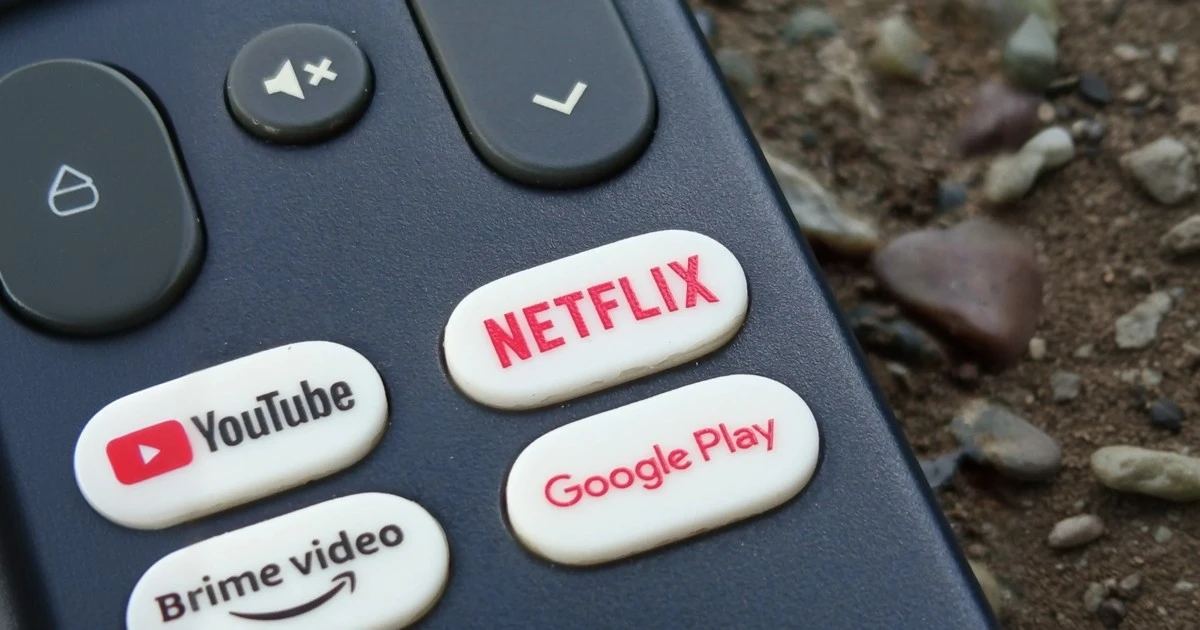
Image by- Paowee, CC BY 4.0
Netflix $82B Deal Sealed Warner Bros Takeover
Market dominance rarely stems from superior products alone; it typically arises from the systematic absorption of infrastructure that competitors rely upon. Netflix fundamentally altered its corporate DNA on Friday, December 5. The streaming giant moved away from its historic "builders not buyers" philosophy. They secured the massive Netflix Warner Bros acquisition for an enterprise value of $82.7 billion. This deal signals a complete restructuring of the entertainment landscape. According to a PR Newswire release, Warner Bros. Discovery (WBD) must fracture its own operations before the takeover occurs. The agreement demands a complex separation of linear television assets from the studio and streaming gems. This move consolidates power by merging the industry's largest digital subscriber base with a century-old content library.
The Financial Architecture of the Deal
Valuation metrics often hide the true leverage exerted during high-stakes bidding wars. Netflix capitalized on a specific window of opportunity to secure this asset purchase. The total enterprise worth stands at $82.7 billion. This figure includes both the equity purchase price and the assumption of WBD's existing debt. Reporting from CBS News clarifies that the deal worths the equity portion specifically at $72 billion (£54 billion).
Shareholders receive a specific breakdown of value. Netflix pays $27.75 per WBD share. Details released by PR Newswire confirm this payment structure splits into $23.25 in cash and $4.50 in stock. This offer represents a massive premium. The price sits 121.3% higher than the WBD closing price on September 10. Reuters notes that the company projects operational savings between $2 billion and $3 billion. These savings come from eliminating overlapping support roles and technology platforms.
Strategic Separation of WBD Assets
Corporate splits frequently reveal which assets hold long-term viability and which serve as anchors. The Netflix Warner Bros acquisition cannot proceed until WBD completes a rigorous internal divorce. The company must finalize a break into two distinct entities by 2025 or 2026. This pre-requisite step determines exactly what Netflix owns and what gets left behind.
Discovery Global will emerge as a standalone company. This entity retains ownership of linear network assets including CNN, Discovery, and the US operations of TNT Sports. Netflix solely targets the growth-focused assets. The streaming giant absorbs HBO, the Warner Bros. movie and television studios, and the international arm of TNT Sports. This separation isolates the declining cable network business from the high-value intellectual property.
Content Libraries and Intellectual Property
Ownership of legacy catalogs dictates the future of streaming dominance more than new production does. This merger combines the two strongest storytelling engines in the industry. Netflix gains control over massive franchises like Harry Potter, Game of Thrones, and the DC Universe. These legacy titles will sit alongside Netflix’s own slate of originals.
Ted Sarandos, co-CEO of Netflix, framed this as a chance to define the "next century of storytelling." David Zaslav, CEO of WBD, echoed this sentiment. He emphasized that the deal ensures future generations enjoy these resonant stories. The strategy focuses on expanding the content library to increase subscriber retention. The combined service will boast approximately 428 million subscribers. An assessment by the LA Times estimates this figure merges Netflix’s 300 million users with HBO/WBD’s 128 million.
The Theatrical and Gaming Pivot
Distribution models shift rapidly when digital-first companies absorb century-old physical incumbents. Netflix plans to implement a hybrid model for film releases. Warner Bros. films will continue to see theatrical releases in cinemas. In contrast, Netflix originals will likely remain streaming exclusives. This approach attempts to balance box office revenue with subscriber growth.
Gaming assets also play a crucial role in this portfolio. The deal includes the team behind Hogwarts Legacy, a game that generated $1 billion in revenue. Data from Game Developer reveals this addition boosts the struggling Netflix gaming strategy. The acquisition provides Netflix with high-end gaming development capabilities immediately.

Image by- Richardgrayson3451, CC BY-SA 4.0
Is the Netflix Warner Bros acquisition bad for theaters?
The Economic Times reports that Cinema United calls the deal an "unprecedented threat," though Netflix claims it remains committed to theatrical releases for Warner Bros titles.
Regulatory Hurdles for the Netflix Warner Bros Acquisition
Antitrust enforcement often depends less on market share and more on political alignments. Ted Sarandos expressed that he feels "highly confident" the deal will pass regulatory checks. He stated the company intends to proceed at "full speed." However, legal experts see potential red flags due to the sheer size of the combined entity.
The political landscape adds a layer of ambiguity. The incoming Trump administration generally favors deregulation. However, there is known skepticism toward Netflix within that political sphere. European regulators will also scrutinize the deal strictly. The contract includes a significant penalty for failure. Netflix must pay a $5.8 billion breakup fee if regulators block the transaction. This high fee demonstrates their serious intent to close the deal despite the risks.
Industry Pushback and Labor Concerns
Consolidation efficiencies invariably translate to workforce reduction and wage suppression. The Writers Guild of America (WGA) immediately opposed the transaction. They argued the merger must be blocked to protect the industry. Their statement claimed the result would eliminate jobs and slash down wages. They also warned of worsened conditions for entertainment workers.
Will Netflix raise prices after buying HBO?
Elizabeth Warren predicts "higher subscription prices" because the merger creates a monopoly that reduces competition.
Michael O'Leary described the deal as an "unprecedented threat" to the current market balance. The WGA also voiced concerns about a reduction in the volume and diversity of content. They fear that fewer buyers in the market will limit opportunities for creators. The projected $2 billion to $3 billion in savings relies heavily on cutting these "overlapping" costs.
The Failed Paramount Bid and Competitive Context
Share price value sometimes loses out to strategic fit or perceived deal certainty. The Netflix Warner Bros acquisition faced stiff competition before the Friday announcement. Paramount Global made a rival offer for WBD assets. Reports indicate Paramount offered $30 per share. This figure exceeds the Netflix offer of $27.75.
Despite the higher potential payout, WBD chose the Netflix deal. The Times of India reported that this decision suggests WBD leadership valued the cash-heavy structure or the strategic certainty of Netflix over Paramount. Paramount remains a significant competitor. They possess close ties to the Trump administration through the Ellison family at Skydance. This political connection formerly positioned them as a frontrunner.
Why did Warner Bros choose Netflix over Paramount?
Warner Bros accepted the Netflix deal despite a lower share price, likely prioritizing deal security and the cash component over Paramount's offer.
Managing Brand Identity
Consumer perception relies on brand distinctiveness, which often blurs during massive corporate integrations. The integration of HBO poses a specific challenge. Executives deem the HBO brand "important" to the combined company’s future. However, specific plans on how to present HBO within the Netflix interface remain undecided.
Greg Peters, co-CEO of Netflix, noted it is "quite early" to discuss specific consumer offerings. The challenge lies in maintaining the prestige of the HBO name while merging it into the Netflix algorithmic feed. Branding uncertainty creates a risk of alienating loyal HBO subscribers. The company must navigate this integration carefully to avoid diluting the price of their new $82 billion purchase.
The New Global Entertainment Powerhouse
Scale often acts as the primary defense against market volatility in the digital age. This merger creates a behemoth capable of outspending any remaining rival. The combined entity possesses the resources to dominate global streaming markets in Europe, Asia, and Latin America.
The deal effectively ends the "streaming wars" phase of fragmentation. It ushers in an era of super-platforms. Competitors like Disney and Amazon must now react to a rival with a vastly superior content vault. The industry expects this move to trigger further consolidation among smaller players who can no longer compete independently.
The Final Cut
This deal represents a fundamental rewriting of the entertainment business model rather than a simple purchase. The Netflix Warner Bros acquisition proves that the era of fragmentation has ended. Power now concentrates in the hands of those who control the most priced intellectual property. Netflix successfully transformed its cash reserves into a defensive moat made of Harry Potter wizards and Game of Thrones dragons. The industry now waits to see if regulators will dismantle this fortress or let it stand. The outcome defines the next generation of visual media.
Recently Added
Categories
- Arts And Humanities
- Blog
- Business And Management
- Criminology
- Education
- Environment And Conservation
- Farming And Animal Care
- Geopolitics
- Lifestyle And Beauty
- Medicine And Science
- Mental Health
- Nutrition And Diet
- Religion And Spirituality
- Social Care And Health
- Sport And Fitness
- Technology
- Uncategorized
- Videos

