
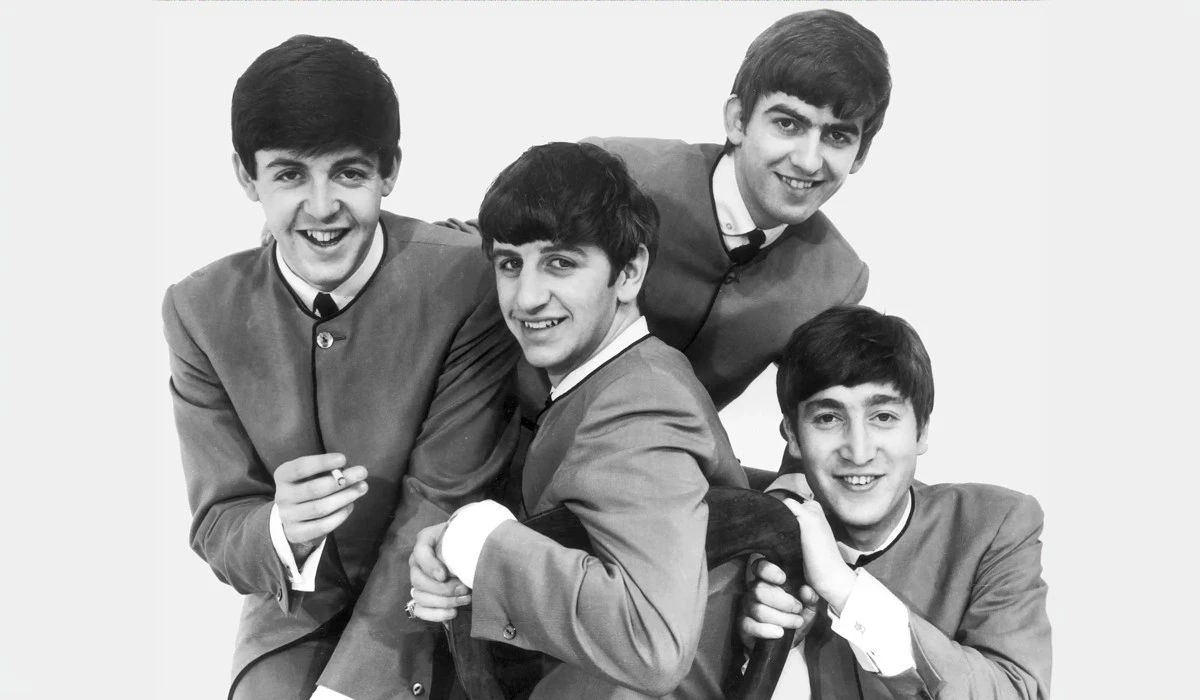
Beatles Anthology Update Is Pointless
The Bottom of the Barrel: Why the Latest Beatles Release Fails to Justify Its Existence
Fans approaching the latest update to the Anthology series will likely feel cheated. The studio presents this release as a significant new entry in the canon. However, the reality offers something far less substantial. Editors essentially constructed this programme using discarded clips from old DVD sets. The viewing experience resembles a desperate cook trying to make dinner from an empty pantry. You watch the screen and realize nothing here feels fresh. The marketing team promised a new chapter. The product delivers only leftovers. This lack of substance becomes immediately apparent to anyone who owns previous releases. Viewers witness a blatant attempt to repackage history without adding value. The only genuine interest lies in seeing the strained personal dynamics. One cannot ignore the obvious discord between Paul McCartney and George Harrison. This friction provides the only spark in a dull hour.
The Global Phenomenon of 1995
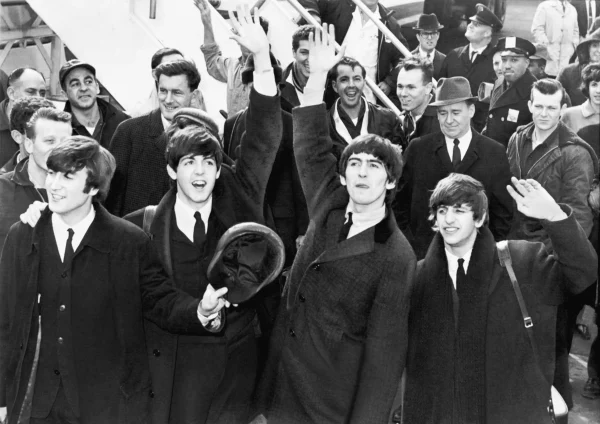
We must recall how significantly the cultural landscape shifted in 1995. The original broadcast of the documentary series captivated the world. Television networks in America and Britain cleared their prime schedules to air the programme. The excitement reached such a fever pitch that ABC in the United States renamed their network ABeatlesC for the week. That promotional stunt highlights the magnitude of the event. The project also included three double albums. These records marked a historic shift. The group had never permitted the sale of studio outtakes before that moment. Fans purchased millions of copies instantly. The financial triumph of that project launched a massive industry. It proved that the public wanted to hear every cough and false start. This moment birthed the modern era of archival exploration. That initial success set a very high bar for everything that followed.
The Business of Infinite Nostalgia
The massive sales figures from the nineties created a specific business strategy. Executives formulated a plan based on two key assumptions. First, they believed the vaults at Apple Corps held a bottomless supply of quality material. They thought the archives could sustain releases forever. Second, they assumed the history of the band possessed infinite depth. Producers believed they could retell the same story repeatedly while keeping it fresh. For many years, this logic appeared sound. Documentaries and remix projects consistently sold well. The public happily consumed every new product. The flow of approved content remained steady and profitable. However, every gold mine eventually runs out of ore. Recent years suggest the company has finally hit the wall. The strategy of constant recycling now faces a serious reality check.
Testing the Limits of Audience Patience
Recent output from the Beatles' management clearly demonstrates this problem. The company seems determined to satisfy a hunger that cannot be filled. They continue to push content even as the cupboard looks bare. We can look at the Get Back series by Peter Jackson as evidence. Viewers certainly appreciated the restoration work. However, the director stretched the footage to its breaking point. The series runs for approximately 480 minutes. Disney also released a standalone Imax movie featuring the rooftop concert. Furthermore, the studio re-released the original Let It Be film. This represents an overwhelming amount of content focused on one month. Even the most dedicated fans might feel exhausted by the sheer volume. The quantity of material now threatens to overshadow the quality of the legacy.
Recycling the First American Visit
Martin Scorsese produced a documentary titled Beatles ’64 last year. This film further highlights the issue of diminishing returns. The production team built the movie by editing familiar clips together again. Most of the visuals came from a famous 1964 documentary by the Maysles Brothers. Apple had already released that exact material on home video in 1991 and 2004. The new version combined those vintage scenes with modern interviews. Unfortunately, the new conversations offered zero insight. The film proved that the remaining musicians have nothing left to say about that year. They have answered the same questions for sixty years. The narrative well has run completely dry. This reliance on old assets exposes a creative bankruptcy at the heart of the current strategy.
Paying High Prices for Old Music
The audio component of this new release suffers from similar redundancy. Apple Records released a fourth volume of outtakes to accompany the show. A close look at the tracklist reveals a bad deal. Collectors already possess twenty-three of the thirty-six songs included. The label expects vinyl buyers to pay almost seventy pounds for this collection. Consumers receive only fifty minutes of "fresh" audio for that price. Most casual listeners will find these tracks meaningless. Only the most extreme fanatics will care about such minor variations. The set lacks the major unreleased songs that people actually want. The release feels like a cash grab rather than a historical service. It exploits the loyalty of the fanbase without offering fair value in return.
The Absence of Legendary Tracks
Serious collectors constantly ask for specific holy grails from the recording sessions. This collection disappoints by excluding Carnival of Light. The group recorded that experimental track during the Sgt Pepper era. It features heavy influence from avant-garde composers like Stockhausen. Fans also desperately want the twenty-seven-minute edit of Helter Skelter. Neither of these legendary recordings appears on the new album. Instead, the listener gets a shaky initial attempt at Matchbox. The band covered that Carl Perkins song much better on the final record. This early take offers no musical merit. It merely fills space on the vinyl. The selection shows that the archivists prioritize filler over genuine curiosity. They refuse to give the audience the historic moments that truly matter.
The Illusion of a New Episode
Disney+ markets the video portion as an "all-new" chapter of the series. The programme focuses on how the band made the original Anthology. It also covers the recording of Real Love and Free as a Bird. The remaining trio created those tracks in the mid-nineties. They used rough cassette demos left behind by John Lennon. Those events now sit just as far in the past as the sixties did in 1995. Time has moved on relentlessly. The documentary treats the nineties as a vintage era. However, the visuals look surprisingly poor. The footage from thirty years ago has aged worse than the content from the sixties. The contrast between the eras feels jarring to the viewer.
The Unflattering Nineties Aesthetic
The visual style of the reunion footage looks terrible today. The screen fills with questionable fashion choices. We see a mess of ponytails and leather vests. The musicians wear jeans treated with acid wash. These rock stars dressed in a way that failed to become classic. In contrast, their suits from the sixties remain timeless. The black and white film from the early days looks crisp and elegant. The video tape from the nineties looks muddy and cheap. This aesthetic clash hurts the prestige of the project. It reminds us that the reunion happened during a specific, awkward time. The clothes distract the viewer from the music. The visual quality makes the "new" content feel ancient in a bad way.
Deceptive Marketing Tactics
The main issue lies in how the studio sold this product. They claim the episode offers exclusive new content. That claim is largely false. The editors simply took bonus features from a DVD released in 2003. They stretched that material to fill a fifty-minute runtime. We watch the three living members sitting for interviews. These chats took place at George Harrison's estate, Friar Park. Other scenes happen at Abbey Road. The camera shows them playing acoustic guitars and ukuleles. They casually jam on old standards. They also play an early tune Paul wrote called Thinking of Linking. Using old DVD extras as a main feature feels lazy. It cheats the audience expecting a fresh discovery.
Moments of Genuine Emotion
The programme does capture some sweet interactions despite the flaws. Viewers see the trio working at Paul McCartney’s home studio. Producer Jeff Lynne manages the recording process. Another scene shows them at a control desk with George Martin. The legendary producer isolates tracks from their old masters. One moment stands out for its raw emotion. Ringo Starr looks at his friends with a sad expression. He tells them he really likes spending time with them. This vulnerability hits the viewer hard. It highlights the deep bond these men shared. Even with the cynicism of the release, the human connection shines through. We see three old friends trying to reconnect.
Visible Friction in the Studio
However, the camera also catches awkward tension. You can read a lot from George Harrison's face. He looks visibly annoyed while recording the reunion tracks. The sessions clearly tested his patience. We know from history that the vibe was not always good. Harrison refused to finish a third demo called Now and Then. He famously called the audio quality "rubbish." That refusal stopped the song from coming out for decades. McCartney and Starr finally completed it in 2023. That happened twenty-two years after Harrison died. The documentary shows the roots of that conflict. Harrison clearly wanted the project to end quickly. His body language speaks louder than his words.
Stories of Rebellion and Drugs
McCartney tells a funny story during the sit-down interviews. He remembers how they handled strict engineers at Abbey Road. The staff wanted to go home at a specific time. The band wanted to keep working late. Paul reveals that they spiked the tea container using speed. This chemical boost kept the engineers awake and working. The story makes the group laugh. It reminds us of their rebellious nature. Seeing them laugh together warms the heart of the fan. They share memories that only they understand. These small anecdotes add some colour to the show. They provide a glimpse into the chaos of their early years.
The Ongoing Rivalry
Despite the jokes, the friction between Paul and George remains clear. Their relationship always involved a power struggle. We see this dynamic play out in the control room. George Martin plays the separated audio for You Never Give Me Your Money. Paul wrote that song for the Abbey Road LP. Harrison listens to the playback. He comments that the arrangement sounds slightly cheesy. The camera cuts to Paul immediately. He does not look amused by the insult. This moment reveals the truth. Even thirty years later, the rivalry existed. Harrison enjoyed knocking Paul down a peg. Paul still felt defensive about his art.
Technological Advances and Limits
We must note how technology drives these recent projects. The release of Now and Then used AI to separate audio. Peter Jackson built that tech for his documentary. It allowed the studio to pull John's voice off a noisy tape. This breakdown of audio justifies some archival revisits. However, this new Anthology episode lacks that excuse. It uses standard video footage. It offers no sonic breakthrough. It simply serves up old content. Technology should enhance the legacy. Here, the studio uses it to disguise a lack of ideas. The absence of innovation makes the release feel even more redundant.
The Symbolism of the Empty Chair
The absence of John Lennon defines these sessions. The documentary tries to show a happy reunion. Yet, the missing member creates a void. The three survivors had to navigate complex emotions. They tried to collaborate with a ghost. The clash between George and Paul likely stems from this imbalance. John often acted as a buffer or a leader. Without him, the old arguments returned. George refused to accept a secondary role in 1995. He fought for his creative standing. This struggle makes the footage interesting for psychologists. It shows the human frailty behind the myth. The empty chair remains the most powerful symbol in the room.
Prioritizing Profit Over Legacy
Observers must look at the financial motives. The music industry needs physical sales to survive. Vinyl records have become popular again. The Beatles brand generates massive revenue. Releasing Anthology 4 on vinyl targets completists. The high price tag confirms the strategy. The label knows fans will buy anything with the logo. This approach exploits emotional investment. The estate should respect the fans more. They should release only the best material. Charging premium prices for recycled scraps damages trust. It suggests the estate sees fans as revenue sources rather than supporters. This short-term greed hurts the long-term legacy.
A Static Documentary Style
We can compare this show to modern films to see the flaws. Current music documentaries use fast editing and immersive sound. This episode feels slow and plodding. The editing mimics the pace of nineties television. It lacks the energy of Get Back. Peter Jackson changed how we see the band. He let the footage breathe and speak. This release stifles the energy. It relies on staged interviews. The contrast shows how much filmmaking has evolved. The Beatles used to represent the future. This release traps them in the past. It feels like a museum piece rather than a living history.
The Closure of Now and Then
The release of Now and Then in 2023 provided the closure this project lacks. That song used contributions from all four members. It felt like a true ending. It had grace and finality. This new Anthology content feels like an unnecessary footnote. It drags us back to the middle of the story. We already have the finale. We do not need to revisit the messy intermediate steps. The Anthology project worked well in the nineties. Bringing it back now feels like a mistake. It dilutes the emotional impact of the final single. The estate should have let the last song stand alone.
Missed Creative Opportunities
Disney+ and Apple missed a chance to do something great. They could have made a modern film about the reunion. They could have interviewed the studio staff and engineers. They could have added new context. Instead, they chose the easy path. They chose to repackage existing assets. The Beatles Anthology is streaming on Disney+ right now. The album is available from Apple Records. Fans should lower their expectations. The cupboards look empty. The tension feels real. The magic is hard to find. The barrel has been scraped clean.
Recently Added
Categories
- Arts And Humanities
- Blog
- Business And Management
- Criminology
- Education
- Environment And Conservation
- Farming And Animal Care
- Geopolitics
- Lifestyle And Beauty
- Medicine And Science
- Mental Health
- Nutrition And Diet
- Religion And Spirituality
- Social Care And Health
- Sport And Fitness
- Technology
- Uncategorized
- Videos