
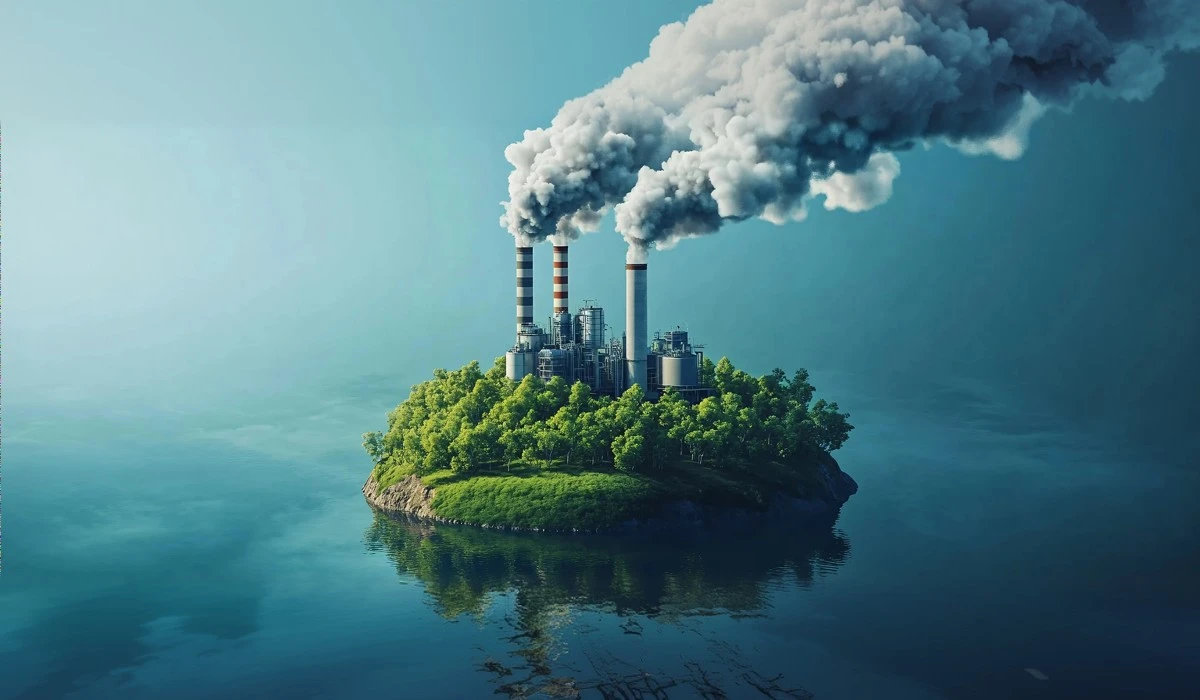
Africa Forests Now a Carbon Source
Africa’s Vital Wilderness Flips from Climate Ally to Dangerous Carbon Emitter
Africa’s vast woodlands once served as a reliable shield against global heating. These ecosystems absorbed huge amounts of carbon dioxide for decades. However, a major new analysis reveals a terrifying change in this natural dynamic. Researchers now confirm that the continent’s forests release more carbon than they capture. This transition occurred largely between 2010 and 2017. Nature’s ability to regulate the atmosphere has fundamentally broken down in this region. The shift marks a critical turning point for global climate strategies. Scientists warn that humanity can no longer rely on these trees to clean up fossil fuel emissions. This reversal adds a dangerous new variable to climate models. It forces leaders to rethink how they approach conservation immediately. The findings demand swift intervention to stop further degradation. Without urgent measures, this environmental collapse will accelerate the planet's rising temperatures. Experts stress that time is running out to reverse this dangerous trend.
Quantifying the Biological Loss
Experts used advanced technology to measure the exact scale of this destruction. The team calculated that African forests shed approximately 106 billion kilograms of biomass annually. This immense figure equals the weight of roughly 106 million cars disappearing from the landscape every year. Such a massive reduction fundamentally alters the continent's biological storage capacity. The study highlights that tropical moist broadleaf forests suffered the most intense damage. These specific ecosystems hold vast reserves of carbon within their dense vegetation. Losing them triggers a rapid release of stored gas into the atmosphere. The data shows that the decline accelerated sharply after 2010. Before this date, the region successfully trapped surplus carbon. Now, the sheer volume of wood and foliage vanishing each year overwhelms natural regrowth. This quantified loss provides a stark metric for the severity of the crisis. The numbers paint a grim picture of biological decline.
West Africa’s Cocoa Crisis
West Africa faces a unique and devastating driver of deforestation. Farmers in Ivory Coast and Ghana aggressively clear land to plant cocoa trees. The global demand for chocolate fuels this relentless expansion into protected reserves. Satellite imagery shows formerly dense canopies turning into fragmented patches of farmland. This specific type of agriculture removes old-growth trees that store immense amounts of carbon. Producers replace them with smaller cocoa plants that hold significantly less biomass. The region has lost huge swathes of its original forest cover since the mid-20th century. Current rates of clearing for cocoa remain alarmingly high. This industry feeds an international market worth vast sums, yet it destroys local ecology. The link between luxury confectionary and environmental ruin becomes undeniable here. Consumers unknowingly drive this destruction with every purchase. Protecting these remaining fragments requires overhauling the entire supply chain immediately.
The Heavy Cost of Chocolate
Chocolate production involves complex trade-offs between economy and ecology. Smallholder farmers often lack the resources to improve yields on existing plots. They find it cheaper to slash and burn fresh forest for new planting. This method releases carbon immediately through fire and decomposition. The soil degrades quickly after the forest cover disappears. This forces growers to move further into untouched wilderness. Major corporate buyers have promised to clean up their supply lines. However, the study indicates that destruction continues despite these pledges. The economic desperation of local communities drives this cycle. Sustainable farming methods exist but require significant investment and training. Without better financial support, farmers will keep cutting down trees to survive. The global market must pay a premium that supports forest preservation. Until then, the sweet treat comes with a bitter environmental price tag. Economic reform is essential to stop the axes.
Congo Basin Under Siege
The Congo Basin stands as the world’s second-largest tropical rainforest. It acts as the planet’s “second lung” after the Amazon. Yet even this colossal ecosystem faces unprecedented threats today. The study identifies the Democratic Republic of Congo as a hotspot for carbon loss. Unlike other regions, industrial agriculture does not drive most deforestation here. Instead, smaller, piecemeal activities chip away at the forest edge. This gradual erosion is harder to track but equally deadly. The cumulative effect of millions of small cuts creates massive carbon leaks. Preserving this basin is essential for stabilizing global weather patterns. Its dense vegetation regulates rainfall across the entire continent. If the Congo Basin collapses, the hydrological cycle will falter. This would lead to severe droughts in agricultural heartlands further afield. The stakes for protecting this specific region remain incredibly high. The world cannot afford to let this lung fail.
The Impact of Subsistence Farming
Small-scale subsistence farming drives much of the forest loss in central Africa. Local populations need land to grow cassava, maize, and other staples. They clear patches of trees to create temporary fields for food. This practice, known as shifting cultivation, worked when populations were smaller. Today, rapid demographic growth puts immense pressure on the land. Farmers return to fallow plots too soon, preventing forest recovery. They also expand into virgin areas to feed their families. This survival strategy inadvertently destroys the carbon sink. Solutions must address food security alongside conservation. Protecting trees cannot come at the cost of human hunger. Governments need to introduce modern agricultural techniques that spare land. Increasing crop yields on existing farms could reduce the need for expansion. Addressing the root causes of poverty will ultimately save the trees. Food security and forest health are inextricably linked.

Charcoal and Energy Dependence
Energy needs also play a massive role in African deforestation. Millions of households rely entirely on charcoal for cooking and heating. Producers cut down hardwood trees to create this essential fuel. They burn the wood in inefficient earth kilns, releasing smoke and carbon. This industry strips vast areas of woodland around urban centres. The demand for charcoal grows as cities expand and modernize. Alternatives like gas or electricity remain too expensive or unavailable for many. This energy poverty locks the continent into a destructive cycle. The trees vanish to boil water and cook meals. Breaking this loop requires massive investment in clean energy infrastructure. Solar power or sustainable bio-energy could replace charcoal. Until affordable alternatives arrive, the forests will continue to burn. This sector represents a critical, often overlooked, driver of the carbon shift. Energy reform is conservation reform in this context.
Infrastructure and Mining Projects
Industrial development adds another layer of pressure to these fragile ecosystems. Governments push for new roads, railways, and dams to boost economies. Mining companies dig deep into forests to extract valuable minerals. These projects slice through continuous blocks of wilderness, creating fragmentation. Roads open up previously inaccessible areas to illegal loggers and poachers. The construction process itself involves significant land clearing. Machinery removes vegetation and disturbs the soil structure. Global demand for battery metals and resources fuels this extraction. Africa holds vast deposits of cobalt, copper, and other critical materials. The race to mine these resources often ignores environmental safeguards. Policymakers face the difficult task of balancing development with preservation. Current trends show that economic gain often trumps ecological protection. This priority must shift to prevent total ecosystem collapse. Strategic planning is vital to minimise the damage.
A Global Rainforest Failure
The crisis in Africa completes a grim global picture. All three of Earth’s major rainforest basins now fail to function effectively. The Amazon in South America struggles against drought and ranching. Southeast Asia’s forests have succumbed to palm oil plantations. Now, Africa joins them as a source of carbon emissions. This simultaneous failure removes the planet’s natural braking system for climate change. These regions once worked together to cool the Earth. Their collective flip to carbon sources accelerates the greenhouse effect. Scientists previously hoped that African forests would remain resilient longer. The new data shatters that optimism completely. Humanity has lost its most powerful allies in the fight against warming. The combined impact of these three failing basins creates a climate emergency. Global strategies must now account for this total loss of sequestration capacity. The planet has lost its primary defence mechanism.
Advanced Satellite Tracking
The research team utilised cutting-edge technology to reach these conclusions. They combined data from multiple satellite systems to monitor vegetation. Machine learning algorithms analysed thousands of images to detect subtle changes. This method allowed them to see through cloud cover and smoke. They tracked the density of wood and leaves across millions of square kilometres. The study spanned over a full decade of observation. This long-term view helped distinguish temporary fluctuations from permanent trends. The accuracy of this data surpasses previous ground-based estimates. It provides an undeniable record of where and when the carbon was lost. These tools give scientists a real-time dashboard of planetary health. The findings leave no room for doubt about the severity of the situation. Technology has unveiled the invisible collapse of the carbon sink. The science is robust and the warning is clear.
Brazil’s Financial Proposal
World leaders are seeking new financial mechanisms to halt this destruction. Brazil has proposed a bold initiative called the Tropical Forest Forever Facility. This fund aims to raise vast sums to pay nations for conservation. The concept rewards countries that keep their trees standing. It treats forests as valuable assets that provide a global service. The goal is to mobilise tens of billions of dollars in capital. This money would generate steady returns to fund protection efforts. The scheme attempts to outbid the industries that drive deforestation. It offers a viable economic alternative to logging and farming. Brazil’s president champions this as a solution for the Global South. The proposal shifts the narrative from aid to payment for services. It recognises that tropical nations deserve compensation for climate stewardship. This financial innovation could change the economics of conservation.
The Funding Shortfall
Despite the ambitious goals, the fund faces a slow start. Only a few nations have pledged money to the initiative so far. The total raised sits at a fraction of the necessary target. Major economies have hesitated to commit the required billions. This gap highlights a disconnect between rhetoric and action. Leaders speak of urgency but fail to sign the cheques. The initial capital is crucial to attract private investors later. Without a strong public backing, the market will not engage. The shortfall threatens to stall the entire project before it begins. Environmental groups warn that delay equates to destruction. Every year of underfunding results in more acres lost. The initiative needs a massive injection of cash immediately. The current total is insufficient to incentivize systemic change. The world must put its money where its mouth is.
Global North Hesitancy
Rich nations cite budget constraints as a reason for their caution. Domestic political issues often take precedence over international climate finance. Many developed countries already face scrutiny over foreign aid spending. They also argue about the governance structures of such massive funds. Trust issues persist regarding how the money will be managed. However, these delays ignore the global cost of inaction. The price of climate disasters far exceeds the cost of prevention. Western nations historically contributed the most to atmospheric carbon. Critics argue they have a moral duty to fund these solutions. The hesitation reflects a lack of long-term strategic thinking. Investing in African forests protects the climate for everyone. Short-term fiscal prudence risks long-term planetary instability. The stalemate needs to break for the sake of the global atmosphere. Political will must overcome bureaucratic hurdles.
Biodiversity at Risk
The loss of forests threatens more than just carbon targets. These ecosystems harbour immense biodiversity found nowhere else. Gorillas, elephants, and thousands of rare plant species rely on these woods. As the trees vanish, these animals lose their homes and food sources. The fragmentation of habitats makes breeding populations unviable. Poachers find it easier to access wildlife in thinned-out forests. The ecological web begins to unravel as key species disappear. This biological collapse weakens the forest’s ability to regenerate. Animals play a crucial role in spreading seeds and maintaining soil health. Without them, the forest cannot heal itself. The extinction crisis runs parallel to the climate crisis. Saving the trees is the only way to save these unique creatures. The silence in the forest grows louder with every acre cleared. We risk losing species before we even discover them.
Climatic Feedback Loops
Deforestation creates dangerous feedback loops that worsen the problem. Trees release moisture that forms clouds and creates rainfall. Removing the canopy leads to drier local climates. This dryness makes the remaining forest more susceptible to fire. Fires then release more carbon and kill more trees. This vicious cycle accelerates the transformation of rainforest to savannah. The region dries out, making agriculture even harder. Farmers then clear more land to compensate for poor yields. The local climate becomes hotter and more erratic. These changes eventually affect weather patterns globally. The loss of the African sink destabilises the entire tropical belt. Halting this feedback loop is the top priority for scientists. Once the tipping point is crossed, recovery becomes impossible. The system creates its own destruction if left unchecked.

Indigenous Land Rights
Indigenous communities often serve as the best guardians of the forest. They have managed these lands sustainably for centuries. However, they frequently lack legal titles to their territories. Governments and corporations push them aside for development projects. Securing land rights for these people is a proven conservation strategy. When communities own the land, they protect it from outsiders. They understand the value of the ecosystem for their long-term survival. The financial mechanisms proposed must reach these grassroots defenders. Money often gets stuck at the national government level. Empowering local leaders ensures that funds translate into action. Recognising their rights is both a human rights issue and a climate solution. Their traditional knowledge offers a roadmap for living with the forest. We must listen to those who know the land best.
The Path Forward
The world stands at a crossroads regarding Africa’s forests. The data shows a clear and present danger to the climate. The solution involves a mix of finance, policy, and technology. Rich nations must unlock the funds promised for conservation. African governments need to enforce protection laws strictly. The private sector must eliminate deforestation from supply chains. Consumers play a role by demanding ethical products. The window to reverse the damage is closing rapidly. Restoring the forest’s ability to absorb carbon is still possible. It requires a unified global effort unlike any seen before. The trees can recover if given the chance and protection. The choice lies between investing in life or paying for disaster. Action today determines the atmosphere of tomorrow. We must choose preservation over short-term profit.
Recently Added
Categories
- Arts And Humanities
- Blog
- Business And Management
- Criminology
- Education
- Environment And Conservation
- Farming And Animal Care
- Geopolitics
- Lifestyle And Beauty
- Medicine And Science
- Mental Health
- Nutrition And Diet
- Religion And Spirituality
- Social Care And Health
- Sport And Fitness
- Technology
- Uncategorized
- Videos

