

Parking Inspector Steals Million
The Great Bavarian Coin Heist: Municipal Inspector Accused of Stealing Over One Million Euros
Police in the quiet Bavarian town of Kempten have uncovered what appears to be a historic act of embezzlement. Authorities accuse a municipal parking official of stealing more than one million euros directly from the town’s street-side parking meters. This massive theft allegedly took place over several years, right under the noses of his supervisors. Detectives believe the forty-year-old civil servant systematically emptied the coin compartments of the machines he maintained. He did not hoard the cash in secret vaults. Instead, investigators claim he worked with his partner to launder the stolen funds through the banking system. The sheer scale of the operation has stunned the local community and town officials. It reveals a significant gap in the oversight of public funds in this historic German municipality.
The Pre-Dawn Police Raid
The investigation culminated in a dramatic operation before dawn on November 24. Officers from the Kempten criminal investigation department executed search warrants on the couple’s home and the inspector’s workplace. They timed the raid carefully to catch the suspects off guard and secure potential evidence before anyone could destroy it. Police teams swept through the properties, seizing documents, data storage devices, and other items relevant to the case. Following the search, officers formally arrested the husband and wife. Authorities now hold them in separate remand facilities to prevent any collusion or communication between them. This decisive action followed weeks of covert observation and financial analysis. The prosecution believes they have gathered sufficient evidence to keep the pair in custody while they finalize the indictment.
Banking Alerts Triggered the Inquiry
The case first came to light not through police work on the street, but through the vigilance of bank employees. A local credit institution noticed a pattern of highly suspicious activity involving the couple's accounts. Staff members flagged repeated cash deposits that far exceeded the pair’s legitimate salary income. The sheer volume of coins and notes entering the accounts raised immediate red flags regarding potential money laundering. The bank followed its legal obligation and filed a suspicious activity report with the Financial Intelligence Unit. This report eventually reached the prosecutor's office in Kempten during October. Prosecutors then launched a preliminary investigation to trace the source of the money. This financial trail provided the crucial link between the missing parking fees and the inspector’s personal wealth.
The Mechanics of the Alleged Looting
Investigators are now piecing together exactly how the inspector managed to siphon off such a large sum without detection. As a technician responsible for the meters, the accused man held the keys to the coin boxes. Police suspect he simply diverted a portion of the collection into his own bags during his daily rounds. He allegedly repeated this simple act on 720 separate occasions. By taking smaller amounts frequently, he likely aimed to avoid creating obvious discrepancies in the daily totals. However, the cumulative effect of these thefts eventually created a massive deficit. The prosecution claims this was not a one-time crime of opportunity but a habitual, calculated looting of public property. The investigation will determine if he also manipulated the digital counters in the machines to hide the missing cash.
The Spousal Role in the Scheme
The inspector did not act alone in this criminal enterprise. Police allege his partner played a critical logistical role in the scheme. While the husband focused on the physical extraction of the money from the streets, the wife reportedly handled the financial side. Authorities accuse her of managing the bank accounts where the couple deposited the illicit cash. She confronts legal accusations for assisting the crime in exactly as many instances as her husband. This suggests a deep level of cooperation and shared intent between the pair. By splitting the tasks, they transformed the theft into a family business. Her involvement complicates the legal defense, as prosecutors will argue that both adults knowingly participated in the fraud.
The Heavy Burden of Metal Currency
A particularly baffling aspect of the crime is the physical logistics involved in stealing over one million euros in coins. Metal currency is incredibly heavy. A single one-euro coin weighs 7.5 grams, meaning one million euros would weigh roughly 7.5 tonnes. Even if the loot consisted of mixed denominations, the couple had to move thousands of kilograms of metal. The inspector likely carried heavy loads of coins to his vehicle every week. He then had to transport this weight to his home and eventually to the bank. The physical exertion required to move this amount of money is immense. Investigators are looking into whether he used special bags or a specific vehicle to transport the heavy cargo without drawing attention from passersby.
Town Leader Expresses Dismay
The revelation of the theft has caused a political earthquake in Kempten. Thomas Kiechle, the Mayor of Kempten, issued a statement expressing his complete shock and dismay at the allegations. He described the news as a severe blow to the town administration. Kiechle admitted that the scale of the theft left him stunned. He immediately pledged full cooperation with the legal authorities and the investigators. The Mayor emphasized that the town would do everything in its power to assist the inquiry. This scandal touches the heart of the municipal government, as it involves a breach of trust by a long-standing employee. The administration now faces difficult questions from the public about how such a crime could go unnoticed for so long.

Scrutinizing Internal Processes
Reacting to the crisis, Kiechle declared the formation of a special internal panel. This group faces the task of reviewing all work processes related to parking management and cash handling. The goal is to identify hidden flaws that allowed the inspector to steal with impunity. The panel will examine the chain of custody for the coin boxes and the auditing procedures used by the treasury. The Mayor promised to find any weaknesses and fix them permanently. This move aims to restore public confidence in the town’s financial management. The administration knows it must demonstrate that it is taking decisive action to protect taxpayer money from future theft.
Strict German Privacy Laws
The identities of the accused couple remain protected under Germany’s strict privacy laws. Police and press releases refer to them only by their ages and gender. The forty-year-old man and thirty-eight-year-old wife have not had their names or photos released to the public. These laws exist to prevent the destruction of a suspect’s reputation before a court delivers a verdict. Even if the evidence seems overwhelming, the legal system demands anonymity during the pre-trial phase. The Mayor respected these constraints in his comments, noting that he could not release further personal details. This approach stands in contrast to legal systems in other countries where suspects are named immediately upon arrest. The focus remains on the alleged acts, not the personalities involved.
Legal Rights Remain Intact
Despite the damning evidence presented by police, the legal process is still in its early stages. Kiechle rightly reminded the public that legal innocence remains valid until the trial concludes. The prosecutor must prove every element of the crime in court. The defense team will have the opportunity to challenge the bank reports and the findings of law enforcement. They may offer alternative explanations for the funds or contest the procedural validity of the search warrants. A judge will eventually weigh the facts impartially. Until that final verdict arrives, the couple are suspects only, not convicts. The German justice system prides itself on this fundamental protection, ensuring a fair trial regardless of public opinion.
The Ancient City of Kempten
The setting for this modern crime is a town steeped in ancient history. Kempten ranks among Germany's most ancient cities, with roots stretching back to the Roman era. Situated within the southern countryside of the Allgäu region, it sits beneath rolling hills and serves as a cultural hub. It houses approximately 70,000 people who value order and civic duty. A crime of this magnitude stands in stark contrast to the town’s peaceful and well-managed reputation. The local economy relies on tourism, dairy farming, and regional commerce. Residents generally trust their local government, making this betrayal particularly painful. The theft represents a loss of community resources that should have funded local services and infrastructure.
Financial Impact on the Community
The loss of over one million euros creates a significant hole in the municipal budget. This money comes directly from the pockets of residents and visitors who paid for parking. These funds usually support road maintenance, public parks, and other essential town services. The administration must now assess the full extent of the financial damage. They will likely seek to recover the stolen amount from the suspects, though it is unclear how much remains. Insurance may cover a portion of the loss, but the premiums for the town will likely rise. The incident serves as a costly lesson in the necessity of rigorous financial control. Taxpayers in Kempten are rightfully angry that their contributions lined the pockets of a dishonest employee.
The Psychology of Incremental Fraud
Criminologists often classify this type of long-term embezzlement as an incremental crime. The perpetrator likely started with small amounts, testing the system to see if anyone noticed. When no alarms rang, the thefts likely grew in frequency and volume. This pattern allows the criminal to normalize their behavior and rationalize the stealing. The worker may have convinced himself that the town would not miss a few coins here and there. Over time, "a few coins" became a fortune. The involvement of his wife suggests a shared delusion that they could get away with it indefinitely. This mindset often collapses only when external factors, like a bank algorithm, intervene to expose the reality of the situation.
The End of Cash?
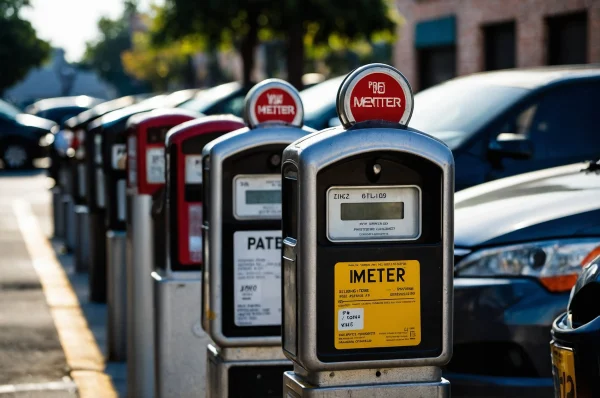
This incident has reignited the debate about the use of physical cash in public infrastructure. Many cities across Europe are moving toward digital-only payment methods to reduce maintenance costs and theft risk. Cashless parking meters eliminate the possibility of employees stealing coins because the money moves electronically. As a result of this scandal, Kempten may accelerate its transition to card and app-based parking payments. Removing cash from the street removes the temptation for theft and improves the safety of the staff. It also creates a clearer digital audit trail that auditors can monitor easily. While Germany remains a cash-loving society, the security risks of managing millions in loose change are becoming harder to justify.
The Investigation Continues
Police continue to work diligently to build a watertight case against the couple. They are currently analyzing the seized documents to determine the exact timeline of the thefts. Investigators are also looking for any other assets the couple may have purchased with the stolen money. The prosecutor will set a trial date once the investigation concludes. For now, the parking official sits in a cell, his career in ruins and his freedom lost. The town of Kempten waits for answers and for justice. The resolution of this case will likely take many months as the wheels of the German justice system turn. The community hopes that the final verdict will bring closure to this scandalous chapter in their town’s history.
A Betrayal of Public Service
The case resonates beyond the borders of Kempten because it touches on the universal theme of trust in public service. Civil servants occupy positions of responsibility and are expected to act with integrity. When an employee exploits their position for personal gain, it damages the reputation of the entire public sector. Honest colleagues of the accused inspector now face unfair scrutiny and suspicion. The town hall must work hard to rebuild the bond of trust with the citizenry. Transparency regarding the investigation helps, but the anger will linger. People naturally resent paying fees when they believe the money is not going where it should. The Mayor’s proactive stance aims to mitigate this public relations disaster and restore faith in the system.
Recently Added
Categories
- Arts And Humanities
- Blog
- Business And Management
- Criminology
- Education
- Environment And Conservation
- Farming And Animal Care
- Geopolitics
- Lifestyle And Beauty
- Medicine And Science
- Mental Health
- Nutrition And Diet
- Religion And Spirituality
- Social Care And Health
- Sport And Fitness
- Technology
- Uncategorized
- Videos

