
Shark Attack Kills Young Woman
Dawn Tragedy at Remote Beach: Community Reels After Fatal Shark Strike on Young Couple
Chaos erupted on the pristine sands of Kylies Beach just as the sun began to rise on Thursday. A massive marine predator targeted a couple swimming in the shallows, turning a morning dip into a nightmare. The pair, both thought to be in their twenties, were enjoying the water when the animal struck. Witnesses on the shore looked on in horror as the ocean around the swimmers turned crimson. This isolated stretch of coast, located roughly 300 kilometres to the north of the state capital, attracts visitors looking for solitude. However, this distance from major cities complicates emergency responses. First responders arrived to find a scene of devastation. Police confirmed that the female victim had succumbed to her catastrophic injuries on the sand. The violence of the encounter left local campers and residents in a state of absolute shock as they woke to the news.
Details on the Victims and Immediate Aftermath
Law enforcement officials stated that the two victims were visiting the area for a holiday. The shark focused its initial aggression on the woman, inflicting wounds that proved impossible to survive. Despite the desperate attempts of people nearby to provide aid, her life ended before the medical helicopter could touch down. The male swimmer also suffered grievous wounds during the struggle, fighting to stay alive as the beast attacked. He lost a significant amount of blood, causing his condition to plummet rapidly. Rescue crews worked feverishly to stabilize him for transport. Doctors at the medical facility in Newcastle later listed his condition as critical. This devastating loss of a young life and the severe maiming of her partner highlights the inherent risks that exist beneath the surface of the ocean along the Australian coastline.
Challenges of the Emergency Response
Emergency dispatchers received the first frantic calls at the break of dawn on Thursday. This alert triggered a massive deployment of regional rescue assets. The location within the National Park at Crowdy Bay required a complex coordination between road ambulances and aviation teams. Knowing that a ground journey to a trauma center would take too long, coordinators immediately launched a rescue chopper. The flight crew landed on the beach and intubated the surviving man to prepare him for the flight. The trip to Newcastle involved a rapid aerial transfer, where every second mattered. Police cordoned off the beach to create a crime scene, allowing investigators to analyse the events. This operation underscored the critical importance of air ambulance services in the rural coastal areas of New South Wales.
Brave Intervention by a Witness
Authorities highlighted the decisive actions of a person nearby who likely saved the male victim from bleeding to death. This unnamed individual ran into the surf and applied an improvised bleeding control device to the man's leg. Stopping the haemorrhage immediately often determines survival in cases involving severed arteries. Josh Smyth, the Superintendent for NSW Ambulance, lauded this courage during his media briefing. Smyth remarked that entering the water in such a terrifying moment demands true heroism. He pointed out that this quick thinking gave the paramedics the window they needed to start advanced life support. Without this citizen stepping in, the injured man would almost certainly have died on the shore before professional teams arrived.
Pinpointing the Predator Species
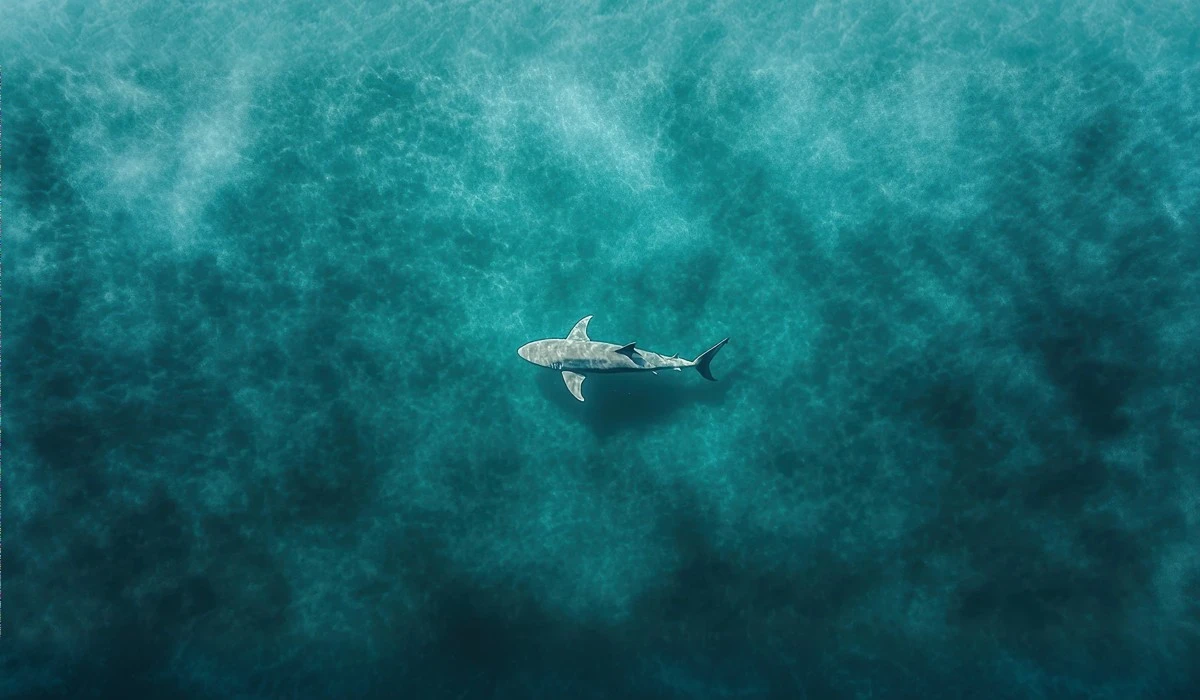
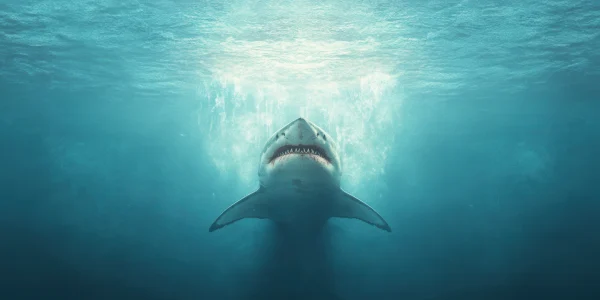
Scientists from the Primary Industries Department started analyzing bite marks and witness accounts right away to determine the shark type. Early evidence points to a bull shark of considerable size as the culprit. These animals have a reputation for aggression and frequently patrol the murky waters where rivers empty into the sea. Experts at the Australian Museum list this species among the rare group that presents a serious threat to human safety. Their ability to swim in both fresh and salt water allows them to navigate far upriver, bringing them into close proximity with humans. Officials use this identification to adjust their strategy, as bull sharks behave differently than tiger sharks or great whites. Knowing the species helps authorities forecast if the animal will stay locally or migrate elsewhere.
Understanding the Bull Shark Threat
Records from the International Shark Attack File place the bull shark at number three in terms of global lethality, behind only the tiger and great white sharks. Their bodies contain high testosterone levels and heavy muscle, making them powerful hunters. Unlike other sharks that bite to investigate, this species often attacks to kill. They favor shallow, turbid water, which hides their approach until the final moment. This habitat preference creates a dangerous intersection with popular swimming areas. The ferocity seen in this incident matches the known traits of the species. Biologists warn that these predators rarely give warning signs. Their territorial nature means any movement in the water can provoke a strike, turning a casual swim into a life-or-death struggle.
Deploying Technology to Mitigate Risk
Officials wasted no time in setting up "smart" drumlines in the ocean around the attack site. This gear represents a modern attempt to balance conservation with the need for safety. The units use hooks with bait attached to buoys that signal the team the moment a shark bites. Contractors then rush to the location, tag the predator, and tow it far offshore before releasing it. This technique differs from old nets that killed marine life indiscriminately. The strategy aims to relocate the shark away from the beach without killing it. Tagging also provides scientists with data on where the animal travels. However, using this equipment indicates a high level of lingering danger, and the community hopes it will intercept the beast before it finds anyone else nearby.
Surveillance and Area Shutdowns
The NSW branch of Surf Life Saving ordered a total closure of the coastline near the incident. They declared that beaches would remain shut for at least 24 hours to protect the public. To monitor the water, operators flew drones to scan for dark shapes beneath the surface. These unmanned aircraft send live video to controllers on the ground, offering a view that lifeguards on towers cannot achieve. This surveillance mission seeks to track the bull shark's path and confirm its departure. Lifeguards on the sand also stopped tourists and surfers from entering the surf. This combination of tech and manpower establishes a safety buffer designed to rebuild trust once the immediate threat subsides.
Sorrow in the Local Community
Steve Pearce, the Chief Executive for Surf Life Saving NSW, spoke to reporters to voice the organization's sadness. He called the incident a horrific event that has rattled the coastal town. Pearce offered his sincere condolences to the relatives of the deceased woman and the injured man. He recognized the shock felt by first responders and those who watched the attack happen. The town, usually full of happy campers, became quiet and sombre as the news spread. Residents gathered to talk about the tragedy, feeling a deep connection to the sea that shapes their lives. The death of a visitor in such a violent way leaves a scar on the region, changing a place of joy into a site of mourning.
The Year’s Grim Statistics
This fatality represents Australia's fifth death from a shark encounter this year. This number alarms both safety experts and the general public. While deaths from sharks occur rarely compared to other accidents, a cluster of them creates fear. The count varies each year based on currents, fish migration, and how many people go swimming. Hitting five deaths puts this year above the average, sparking debates on safety rules. Analysts study these figures to see if environmental shifts are pushing sharks closer to land. Data indicates that while bites might not increase in total number, the lethality has spiked this year. Each statistic stands for a family destroyed, making the numbers deeply personal for Australians.
Memories of Recent Attacks
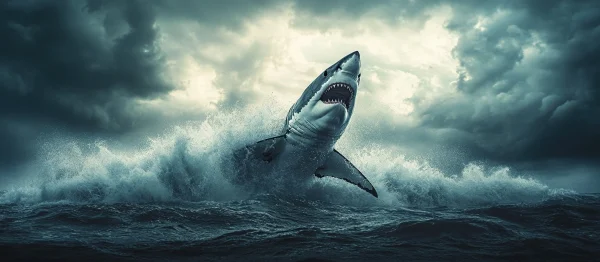
The tragedy at Kylies Beach comes not even three months after another fatal strike. In that prior case, a shark killed a man near the northern beaches of Sydney, a zone usually seen as safe due to shark nets. That rare event had already placed the state on edge. The short time between these two deaths increases the feeling of vulnerability for coastal dwellers. It challenges the idea that only unpatrolled or wild waters hold danger. Comparing the incidents helps officials improve their warnings. While a great white caused the Sydney death, a bull shark caused this one, showing the variety of threats along the NSW coast. These recurring headlines keep the danger in the minds of everyone in the nation.
Safety Recommendations from Experts
Safety officials and the Australian Museum continue to push strict rules to lower the chance of an attack. They urge swimmers to stay on dry land during dusk and dawn, as sharks hunt actively then. People should also avoid estuaries and river mouths, especially after rain makes the water cloudy. Such conditions draw bull sharks looking for food. Experts stress that swimming with others wards off predators, as sharks like lone targets. Obeying lifeguard instructions stands as the best way to stay safe. Steve Pearce repeated that the public must avoid the water nearby until authorities give the all-clear. Ignoring these warnings removes the protection that professional patrols offer.
The Impact of Fear on the Coast
Incidents like this trigger a deep fear that hurts local businesses and tourism for months. The mental toll reaches beyond the victims' families to everyone who swims. Surfers struggle with the choice to paddle out again, balancing their love for the sport against the danger. Parents watch their kids closely, keeping them out of the water. This reaction is normal but can lead to demands for shark culls, which scientists say do not work. Leaders must handle this anxiety by sharing clear facts and showing visible safety steps. Seeing drones and drumlines helps, but the memory of the attack stays. Healing the public’s bond with the ocean takes time. Until then, the beach feels more like a wilderness than a resort.
Ecological Triggers for Attacks
Marine scientists constantly study the environmental factors that might push large sharks toward humans. Shifts in water temperature, currents, and baitfish movements all influence predator behaviour. When fish schools swim near the shore, sharks follow them. For bull sharks, rainfall also guides their travel, as they use fresh water to move around. Some theories claim that climate changes are shifting where marine life lives, squeezing the space where people and sharks meet. Knowing these patterns helps build better warning systems. If experts can predict when sharks will arrive based on weather data, they can alert the public early. However, the sea remains wild, and perfect prediction is impossible.
The Long Path to Healing
For the injured man, the road ahead involves painful physical rehab and emotional therapy. Major bites require many surgeries to fix nerves and tissue. Aside from bodily harm, the trauma of watching his partner die needs long-term care. The Newcastle medical facility is just the first stop in his recovery. The Crowdy Bay region must also recover. Park rangers and the council will check their signs and emergency plans. Reviewing the response time is standard work after such an event. But the remote nature of the park limits what they can build. The town will likely host a memorial for the woman who died, ensuring she is remembered as a person who loved the sea, not just a news story.
Conclusion on Coastal Risks
The woman's death and her partner's injuries at Kylies Beach mark a dark moment in the country's history with the ocean. It underscores the thin line between fun and danger in nature. Although the witness's bravery and the medics' skills saved one person, they could not stop the loss of life. As the state deals with its fifth fatality this year, attention turns to stopping the next one. Whether using drones, education, or "smart" drumlines, the aim is zero deaths. Yet, as long as people enter the home of these predators, the risk remains. This event serves as a tragic prompt for every beachgoer to respect the power of the ocean and the creatures that inhabit it, acknowledging that safety is never guaranteed.
Recently Added
Categories
- Arts And Humanities
- Blog
- Business And Management
- Criminology
- Education
- Environment And Conservation
- Farming And Animal Care
- Geopolitics
- Lifestyle And Beauty
- Medicine And Science
- Mental Health
- Nutrition And Diet
- Religion And Spirituality
- Social Care And Health
- Sport And Fitness
- Technology
- Uncategorized
- Videos

