
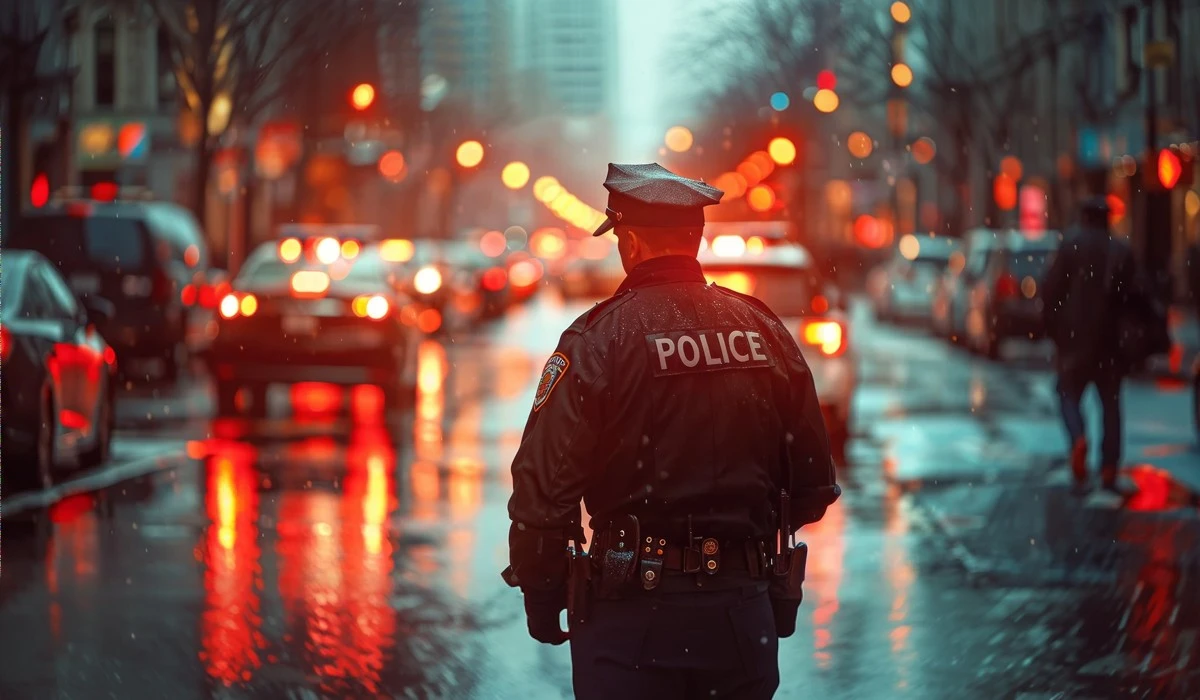
Malawi Police Hunt Stolen Dogs
Political Storm Erupts in Malawi Over Missing Presidential Guard Dogs and Economic Chaos
Detectives in Lilongwe currently face a peculiar challenge as they attempt to solve the burglary involving four highly trained security dogs. This strange event at Kamuzu Palace occurred during the sensitive transition period following the general vote in September. Official reports indicate that the animals vanished from the presidential compound between September 19 and October 4. State prosecutors value the missing German Shepherds at approximately £1,700, underscoring the significant loss to the taxpayer. The timing of the incident raises serious questions about security protocols during the switch between administrations. Critics argue that such a breach at a fortified location suggests inside knowledge or gross negligence by the protection detail. The police service has since declared they will ramp up efforts to recover the animals. They aim to restore public confidence in the security apparatus. This incident serves as a bizarre footnote to a tense political season in Malawi.
Arrest of a Senior Aide
Law enforcement officials moved swiftly to apprehend suspects linked to the crime, focusing their attention on the previous administration's inner circle. Police officers took Godfrey Arthur Jalale into custody late last week, marking a dramatic escalation in the investigation. Jalale previously held the influential position of deputy head of staff at the State House serving Lazarus Chakwera. Investigators allege that he facilitated or directly participated in removing the canines during the chaotic final days of the presidency. Jalale firmly rejects these accusations and maintains his innocence against the charges of stealing. His legal team argues that the arrest serves political purposes rather than justice. They claim the authorities lack concrete evidence tying him to the disappearance. The court proceedings have drawn significant media attention, highlighting the deep mistrust between the outgoing and incoming political factions in the country.
Police Target the Former President
Tensions escalated further on Wednesday when investigators secured a warrant to search the private residence of Lazarus Chakwera. Intelligence reports reportedly suggested that the ex-president might harbour the missing animals at his home. While initial rumours on social media claimed that officers had arrested the previous leader, the police service quickly issued a statement dismissing these falsehoods. They clarified that their current interest lies solely in recovering the state property. This move to search a former head of state’s home represents a bold and controversial step by the new administration. It signals a hardline approach to asset recovery that some observers view as vindictive. Chakwera’s supporters gathered outside his gates, fearing a politically motivated detention. The heavy police presence around his property has turned a criminal investigation into a potential flashpoint for civil unrest throughout Lilongwe.
Allegations of Political Harassment
The Malawi Congress Party (MCP) views these developments as a calculated campaign of intimidation orchestrated by the new government. Party officials accuse President Peter Mutharika’s administration of weaponising the police force to settle old scores. They argue that the pursuit of lost dogs serves as a pretext to harass Chakwera and tarnish his reputation shortly after his electoral defeat. MCP Members of Parliament staged a boycott of parliamentary sessions in protest, choosing instead to camp at their leader's residence. They chant slogans denouncing the police actions and demanding respect for the previous head of state. This standoff highlights the fragile nature of Malawi’s democracy, where the transfer of power often accompanies accusations of persecution. The opposition warns that such aggressive tactics could destabilise the nation. They call upon civil society groups to intervene and monitor the situation for human rights violations.
Voting in September
Peter Mutharika achieved a remarkable political comeback during the September vote, defeating the incumbent by a decisive margin. Voters expressed their dissatisfaction with the previous administration’s handling of the economy, giving Mutharika a clear mandate to govern. He secured victory after a hard-fought campaign that capitalised on widespread frustration with the status quo. Chakwera finished a distant second, garnering only thirty-three percent of all ballots cast. This result marked a stinging rejection of his "Tonse Alliance" government, which swept to power five years ago on a wave of optimism. Mutharika’s return to the presidency defies the expectations of many pundits who wrote off his political career after his 2020 defeat. His Democratic Progressive Party (DPP) mobilised its base effectively, particularly in the Southern Region. The election outcome reshaped the political landscape, reinstalling the old guard in the corridors of power.
Mutharika’s Platform of Experience
The victor ran his race on a simple yet effective promise to restore the country to "tested leadership" and stability. Mutharika, a past professor of law who lived in the United States for decades, leveraged his past experience as president from 2014 to 2020. He argued that his previous tenure delivered better economic indicators than the chaotic years under Chakwera. Supporters viewed him as a steady hand capable of navigating the complex challenges facing the nation. His messaging resonated with rural voters and business owners alike who felt the pinch of inflation and policy inconsistency. The 85-year-old leader presented himself as a father figure who could restore order to the government. Despite his advanced age, he managed to convince the electorate that he possessed the wisdom necessary to fix Malawi’s broken systems. His victory speech emphasised unity and hard work as the path to national recovery.
Economic Turmoil and Voter Anger
The economic context played a pivotal role in determining the election winner, as citizens faced daily hardships. Malawi currently grapples with a severe financial crisis characterised by skyrocketing inflation and a collapsing currency. The cost of living soared during Chakwera’s term, eroding the purchasing power of ordinary families. Businesses struggled to operate due to a chronic lack of foreign exchange, which paralysed imports of essential goods. This economic mismanagement became the central theme of the opposition’s attacks while campaigning. Voters punished the incumbent for his failure to deliver on promises of prosperity and job creation. The daily struggle to afford maize, the staple food, drove many former supporters into the arms of the DPP. Mutharika now inherits an economy on the brink of collapse. He faces the daunting task of stabilising prices while managing a massive national debt burden.
The Crippling Fuel Shortage
A persistent scarcity of fuel has exacerbated the economic misery, bringing transport networks to a near standstill. Motorists across the country spend hours or even days in long queues at filling stations, hoping to secure a few litres of petrol or diesel. This energy crisis disrupts supply chains, causing food prices to rise even further as transport costs balloon. The previous administration failed to secure adequate credit lines to maintain steady fuel imports. The shortage affects everything from ambulances to industrial generators, crippling productivity. Mutharika has promised to prioritise the restoration of fuel supplies, but the lack of foreign currency complicates this effort. Critics note that the solution requires structural reforms rather than quick fixes. The sight of winding queues at service stations serves as a visible symbol of the nation’s dysfunction. Resolving this crisis stands as the new government's most urgent priority.
Foreign Currency Reserves Depleted
The root cause of the fuel crisis and import stagnation lies in the severe depletion of foreign currency reserves. The central bank lacks the necessary dollars to pay international suppliers, leading to defaults and delayed shipments. This forex crunch forces the government to ration hard currency, prioritising only the most critical imports like medicine and fertiliser. The private sector suffers immensely, as manufacturers cannot import raw materials to keep factories running. Unemployment rises as companies scale back operations or close down entirely. Chakwera’s administration blamed global factors, but economists point to poor fiscal discipline and delayed engagement with the IMF. Mutharika must now negotiate a rescue package with international lenders to replenish the reserves. Restoring confidence in the kwacha requires bold monetary policies. Without a fresh injection of capital, the economy risks grinding to a complete halt facing a harsh reality.
Chakwera’s Troubled Legacy
Lazarus Chakwera leaves office under a cloud of allegations regarding the mismanagement of public funds. His critics point to numerous corruption scandals that plagued his five-year term, involving senior ministers and aides. The "rubble" of corruption he promised to clear largely remained, and in some cases, grew larger. Civil society organisations frequently accused his government of selective justice, targeting opponents while shielding allies. Stealing those police dogs serves as a metaphorical capstone to a presidency defined by chaotic administration. Auditors continue to uncover irregularities in government contracts signed amid the transition period. The public’s initial adoration for the pastor-turned-president turned into disillusionment as scandals mounted. He now faces a legacy defined by economic decline and governance failures. History may judge his tenure as a period of missed opportunities and unfulfilled potential for Malawi.
Concerns Over Presidential Health
Questions regarding the physical stamina of President Mutharika persist due to him being eighty-five years old. Throughout the election run, he made few public appearances, relying heavily on surrogates to deliver his message at rallies. This contrasted sharply with his younger opponent, who maintained a vigorous schedule of cross-country events. Speculation about Mutharika’s health remains a constant topic of conversation in tea rooms and on social media. Critics worry that he may lack the energy required to manage the day-to-day operations of a government in crisis. His aides dismiss these concerns, insisting that his intellect and judgment remain sharp. However, the rigorous demands of the presidency take a toll on even the fittest leaders. The nation watches closely for any signs of frailty. The issue of succession within the ruling party looms large should his health falter during this term.
Value of the Missing Canines
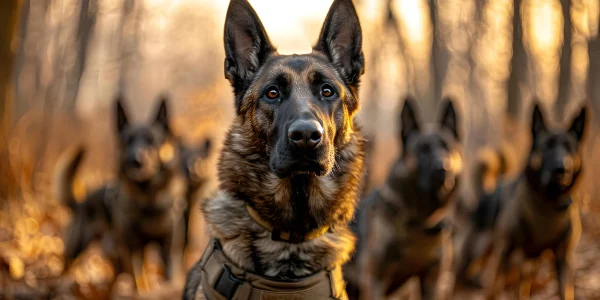
The four missing German Shepherds represent a significant investment in national security capabilities. Experts estimate the value of these specialised dogs at over two thousand dollars each, excluding the cost of their ongoing care. Training a police dog involves months of rigorous instruction in obedience, tracking, and apprehension techniques. These animals serve as vital assets for crowd control and the detection of contraband. Losing four such assets at once degrades the operational readiness of the presidential guard unit. The financial loss strikes a nerve inside a nation where resources are incredibly scarce. Replacing them will require spending precious foreign currency that the state desperately needs for other priorities. The theft also implies a breach of trust between the handlers and the institution. Recovering the dogs remains a matter of both financial and symbolic importance for the police.
Chakwera’s International Role
Despite his domestic troubles, Lazarus Chakwera retains some standing within the international diplomatic community. He recently ended his post-election silence to announce his acceptance of a prestigious appointment from the Commonwealth. The organisation tasked him with mediating the violent post-election unrest in neighbouring Tanzania. This role allows him to pivot away from local politics and project the image of a statesman on the regional stage. He views this assignment as an opportunity to rehabilitate his image and contribute to African stability. Observers note the irony of a leader rejected by his own people mediating democracy disputes abroad. However, his background as a church leader provides him with the rhetorical skills suited for conflict resolution. He plans to travel to Dar es Salaam soon to begin these talks. This move creates a convenient exit from the immediate heat of the investigations at home.
A History of Bitter Rivalry
The political battle between Mutharika and Chakwera spans over a decade, defining modern Malawian history. Their rivalry represents a clash between two distinct political dynasties and ideologies. Mutharika hails from the established political elite, while Chakwera emerged as a populist outsider from the religious sector. They have traded the presidency back and forth, with each accusing the other of rigging and incompetence. This latest election cycle marks yet another chapter in their ongoing feud. The intensity of their competition polarises the electorate, often splitting the country along regional and tribal lines. Supporters of both camps view the other side as an existential threat to the nation’s future. The current investigation into the pilfered animals adds a petty but personal dimension to this long-standing conflict. Neither leader appears willing to offer an olive branch to bridge the deep political divide.

Public Disillusionment
Voter turnout and engagement reflect a growing sense of fatigue among the Malawian population. Many citizens feel let down by the entire political class, viewing both major parties as self-serving entities. The excitement that characterised previous elections has faded into cynicism as living standards continue to plummet. People care less about the political drama of missing dogs and more about the price of sugar and bread. The disconnect between the elite’s squabbles and the poor’s daily struggles widens every day. Social commentators warn that this apathy could curdle into social unrest if the economic situation does not improve. The public demands tangible solutions rather than political theatre and arrests. They want leaders who prioritise feeding the nation over fighting for power. The patience of the electorate wears thin as the crisis deepens.
The Road Ahead for Malawi
The new administration faces a narrow window of opportunity to turn the country’s fortunes around. Mutharika must act decisively to secure fuel supplies and stabilise the currency within his first hundred days. Failure to do so could lead to mass protests and a loss of legitimacy. He needs to appoint a competent cabinet that prioritises technical expertise over political loyalty. The international community watches closely, willing to help but demanding fiscal responsibility in return. Recovering the stolen state assets, including the dogs, would send a signal that the rule of law matters. However, the government must balance justice with reconciliation to avoid plunging the country into further chaos. The path forward requires sacrifice and unity, commodities that are currently in short supply. Malawi stands at a crossroads, with its future prosperity hanging in the balance.
Symbolism of the Scandal
The saga of the missing police dogs serves as a fitting metaphor for the current state of Malawian politics. It combines elements of farce, tragedy, and criminal negligence in equal measure. The incident highlights the pettiness that often accompanies the transfer of power in developing democracies. It exposes the vulnerability of state institutions to looting and partisan manipulation. While the nation faces existential economic threats, the headlines remain dominated by a dispute over pets. This distraction benefits those who wish to avoid scrutiny on more substantive policy failures. Ultimately, the resolution of this mystery will reveal much about the character of the new government. Whether they choose to pursue justice fairly or use the incident for revenge will define their tenure. The people of Malawi deserve better than a political dogfight.
Recently Added
Categories
- Arts And Humanities
- Blog
- Business And Management
- Criminology
- Education
- Environment And Conservation
- Farming And Animal Care
- Geopolitics
- Lifestyle And Beauty
- Medicine And Science
- Mental Health
- Nutrition And Diet
- Religion And Spirituality
- Social Care And Health
- Sport And Fitness
- Technology
- Uncategorized
- Videos

