
Gene Therapy Cures Rare Brain Disease
Toddler Becomes First Patient to Receive Pioneering Gene Therapy for Rare Fatal Condition
Physicians at the RMC Hospital recently celebrated a monumental achievement in genetic medicine. Oliver Chu, a three-year-old boy from the United States, became the first person globally to receive a revolutionary gene therapy for Hunter syndrome. This rare inherited disorder causes progressive damage to both the body and the brain. Medical experts frequently describe the condition’s severe cognitive effects as a form of childhood dementia. Oliver displayed astounding progress just months after the complex procedure. The specialist team in Manchester expressed immense relief and excitement regarding the successful outcome. Professor Simon Jones, a consultant in paediatric metabolic diseases, led the clinical trial. He described this success as the culmination of two decades of relentless research. The professor noted that witnessing a patient thrive to this extent validates years of scientific struggle. This breakthrough offers renewed hope to families worldwide facing this devastating diagnosis.
The Genetic Mechanics of Hunter Syndrome
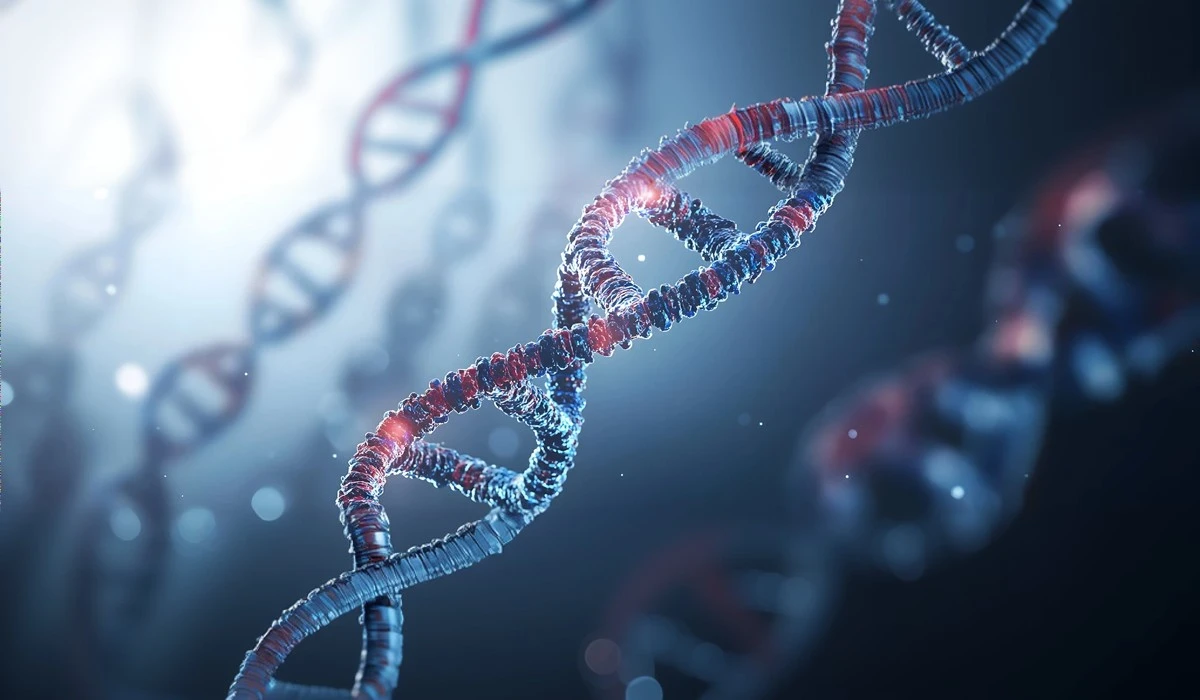
Hunter syndrome, medically termed Mucopolysaccharidosis type II or MPS II, originates from a specific flaw in the patient's DNA. This genetic error prevents the body from manufacturing an essential enzyme known as iduronate-2-sulfatase. Healthy human cells utilize this enzyme to break down complex sugar molecules called glycosaminoglycans. Without this cleaning mechanism, these sugars accumulate rapidly within the body’s tissues. This toxic buildup disrupts normal cellular function and inflicts extensive damage over time. The condition almost exclusively affects males due to its X-linked inheritance pattern. Statistics indicate that the disorder impacts approximately one in every 100,000 male births globally. The disease’s progressive nature means symptoms worsen steadily as the child ages. The accumulation of cellular waste eventually compromises major organ systems. This process leads to the severe physical and neurological decline associated with the illness.
Recognizing the Early Warning Signs
Symptoms of Hunter syndrome typically emerge around age two following an apparently healthy infancy. Parents often notice initial red flags such as frequent respiratory infections, a distended abdomen, or coarsening facial features. Physical manifestations include joint stiffness, restricted movement, and heart valve complications. However, the neurological deterioration often distresses families the most. The disease actively destroys brain cells, stripping away learned skills and preventing new development. Children often lose the ability to speak, walk, and eat independently as the condition advances. This cognitive regression draws heartbreaking comparisons to dementia in elderly patients. In severe cases, the condition proves fatal before the patient reaches their second decade of life. This grim prognosis leaves families desperate for effective interventions that go beyond mere symptom management or palliative care.
A Family Confronts a Devastating Reality
The diagnosis of Hunter syndrome struck the Chu family with overwhelming force. Ricky and Jingru Chu, Oliver’s parents, first encountered the disease when doctors diagnosed their older son, Skyler. The couple initially attributed Skyler’s speech delays and coordination issues to the social isolation caused by the Covid pandemic. Medical tests revealed the true cause, shocking the parents completely. Ricky recalled the physician advising him against searching the internet to avoid seeing the most severe cases. Naturally, the terrified father ignored this advice and researched the condition immediately. He found heartbreaking images and case studies that confirmed his worst fears. The subsequent diagnosis of their younger son, Oliver, compounded their distress significantly. They faced the brutal reality that both their children carried a lethal genetic time bomb within their DNA.
The Shortcomings of Current Treatments
Standard medical care for Hunter syndrome currently relies heavily on enzyme replacement therapy (ERT). This treatment involves weekly intravenous infusions of a synthetic enzyme called Elaprase. The drug helps manage physical symptoms by reducing the sugar buildup in the body’s peripheral organs. However, this approach carries significant and frustrating limitations. The molecule cannot cross the blood-brain barrier, a protective shield that filters blood flowing to the brain. Consequently, the medication fails to reach the central nervous system. It does nothing to halt the cognitive decline that characterizes the severe form of the disease. Furthermore, the treatment imposes a heavy burden on patients and healthcare systems. The infusions take hours to administer and cost approximately £300,000 per patient annually. Families must structure their lives around these frequent hospital visits.
Innovating a Cure in Manchester
Researchers at the University of Manchester spent over fifteen years developing a more effective solution. Professor Brian Bigger led a dedicated team focused on creating a therapy that treats both the body and the brain. They focused on ex vivo stem cell gene therapy. This complex process involves extracting the patient’s own stem cells and modifying them in a high-tech laboratory. Scientists insert a functional copy of the missing gene into these cells using a viral vector. The team aimed to turn the patient's own body into an enzyme-producing factory. Doctors eliminate the risk of rejection associated with donor transplants by using the patient's own biological material. The goal was a one-time treatment that would provide a lifelong cure, effectively stopping the disease in its tracks.
Breaching the Blood-Brain Barrier
The Manchester team’s most significant innovation lies in their method for penetrating the blood-brain barrier. They utilized a "Trojan horse" strategy to deliver the enzyme directly to the brain. The researchers attached a specific protein tag, known as ApoEII, to the therapeutic enzyme produced by the modified gene. This tag tricks the blood-brain barrier into recognizing the enzyme as a necessary nutrient. The barrier then actively transports the enzyme from the blood into the brain tissue. Once inside, the enzyme clears the accumulated sugars that cause cognitive damage. This breakthrough differentiates the new therapy from all previous treatments. It offers the first real chance to prevent the "childhood dementia" that devastates so many lives. The approach represents a massive leap forward in neurological treatment.
A Critical Funding Crisis
The path to the clinical trial faced a major crisis before it even began. The University of Manchester initially partnered with Avrobio, a US biotech company, in 2020 to fund and conduct the study. However, financial difficulties and poor results from an unrelated trial forced the company to withdraw three years later. Avrobio handed the license back to the university, leaving the project without essential funding. The abrupt withdrawal jeopardized the entire program. Professor Jones and his colleagues realized they possessed a viable treatment but lacked money to administer it. The timing proved critical, as patients like Oliver needed urgent intervention before their condition progressed too far. The team scrambled to find a new sponsor to save the trial from total collapse.
Charity Rescues the Project
LifeArc, a British medical research charity, stepped in to rescue the stalling project at the eleventh hour. The organization recognized the immense potential of the therapy and provided a crucial £2.5 million grant. Dr Sam Barrell, the CEO of LifeArc, emphasized the urgency of the situation. She highlighted that 95% of rare conditions currently lack effective treatments. The charity’s intervention allowed the Manchester team to proceed with the first-in-human trial. This funding covered the immense costs of manufacturing the gene therapy and running the clinical study. The Chu family received the news with immense relief. The reinstatement of the trial meant Oliver still had a chance at a normal life. Ricky described his willingness to do anything to ensure a better future for his sons.
Harvesting the Stem Cells
The clinical process commenced for Oliver in December 2024 at the RMC Hospital. The medical team admitted the toddler to the Clinical Research Facility for the first stage of the treatment. Staff connected him to a specialized apheresis machine. This device draws blood, filters out the stem cells, and returns the remaining blood to the patient. The procedure required Oliver to lie still for an extended period, a difficult task for a young child. Nurses and his father kept him calm while the machine collected the precious cells. These stem cells held the key to his cure. Success at this stage was vital, as the laboratory needed a sufficient number of healthy cells to modify. The team monitored his vitals closely throughout the delicate extraction process.
Engineering the Cells in London
Couriers transported Oliver’s harvested stem cells to a specialist laboratory at Great Ormond Street Hospital in London. Here, highly trained scientists performed the delicate genetic engineering. They utilized a lentiviral vector to deliver the correct genetic material into the cells. This virus, stripped of its ability to cause illness, acts as a sophisticated delivery vehicle. It inserts the functional gene directly into the DNA of the stem cells. Dr Karen Buckland, a senior research fellow, explained that the viral machinery integrates the new instructions permanently. This ensures that every daughter cell produced by the stem cells will also carry the functional gene. The team at GOSH worked with extreme precision to ensure the safety and efficacy of the product before shipping it back.
The Infusion Procedure
The treatment culminated in February 2025 with the reintroduction of the modified cells. Jingru held Oliver in her arms while Ricky stayed behind in California with Skyler. The medical team thawed the bag of gene-edited cells in a warm water bath. A nurse drew the clear fluid, containing approximately 125 million modified stem cells, into a syringe. Tension filled the room as the infusion began. The nurse slowly injected the "cup full" of fluid into a catheter in Oliver’s chest. The entire process took only ten minutes. A second infusion followed an hour later. Oliver watched cartoons throughout the procedure, oblivious to the fact that science was rewriting his genetic destiny. The atmosphere in the room shifted from tension to cautious optimism once the infusion finished.
Post-Treatment Monitoring
Doctors monitored Oliver closely in the days following the transplant. They needed to ensure his body accepted the cells without adverse reactions. The chemotherapy used to prepare his bone marrow for the new cells temporarily weakened his immune system. This required strict isolation protocols to prevent infection. Fortunately, Oliver recovered quickly from the procedure. His body began the process of engraftment, where the new stem cells settle into the bone marrow. These cells immediately began churning out the missing enzyme. The family returned to California shortly after, carrying the hope that the biological machinery inside Oliver was now working correctly. The medical team continued to coordinate with US doctors to track his progress remotely.
Significant Clinical Improvements
The family returned to Manchester in May 2025 for the three-month follow-up. The transformation amazed the clinical team. Tests revealed that Oliver’s body now produced the enzyme at levels exceeding those of a healthy person. Doctors immediately discontinued his weekly enzyme infusions. Oliver no longer required the external drug that had dominated his life. Ricky reported significant developmental leaps in his son. Oliver showed increased maturity, improved speech, and better physical mobility. He engaged more actively with his surroundings and played with a new energy. The "reset" that Ricky had hoped for appeared to be taking place. The data confirmed that the enzyme was effectively clearing the toxic sugar buildup from his system.
Long-Term Success Confirmed
Further assessments in August, nine months post-treatment, confirmed the therapy’s durability. Professor Jones beamed as he reviewed the results. He noted that Oliver produced hundreds of times the normal amount of the enzyme. More importantly, the boy continued to acquire new skills and words, defying the typical trajectory of Hunter syndrome. The doctor cautioned that they must remain careful, but admitted the results were as good as they could possibly be. Oliver ran around the hospital rooftop garden, a vibrant and energetic child. His mother, Jingru, confessed that she wants to cry tears of joy every time she discusses the outcome. The boy who once faced a future of decline now looks forward to a healthy life.
The Bittersweet Reality for Skyler
The success of Oliver’s treatment highlights the heartbreaking contrast with his older brother, Skyler. Skyler’s age and advanced disease progression excluded him from the Manchester trial. The gene therapy cannot reverse existing brain damage; it can only prevent future deterioration. Consequently, Skyler continues to receive conventional infusions. These treatments manage his physical pain but leave his cognitive challenges unaddressed. Skyler remains protective and loving toward his younger brother, holding his hand during walks. Ricky expressed a fervent wish that science will eventually advance enough to help Skyler too. For now, the family navigates the bittersweet reality of one son cured and the other managing a life-limiting condition. They remain hopeful that future advancements will broaden eligibility criteria.
Expanding the Trial Globally
The trial aims to treat a total of five boys from around the world, including patients from the US, Europe, and Australia. No UK patients qualified for this specific cohort due to late diagnoses. Researchers will monitor these children for a minimum of two years. If the trial continues to show success, the university plans to partner with a biotech firm to license the treatment. This would make the therapy available to a broader population. Professor Jones indicated that this same technology could treat other lysosomal storage disorders. Trials for Sanfilippo syndrome and Hurler syndrome are already exploring similar gene therapy approaches. The success with Oliver validates the platform, potentially unlocking cures for dozens of other genetic diseases.
A New Dawn for Medicine
The story of Oliver Chu marks a watershed moment in medical history. It demonstrates the tangible power of gene therapy to correct fundamental biological errors. The collaboration between academia, the NHS, and charitable funders overcame significant hurdles to save a life. Ricky Chu summarized the family’s gratitude, stating they are eternally grateful to the Manchester team. He noted that Oliver’s life no longer revolves around needles and hospitals. Instead, his son now enjoys the simple freedom of a normal childhood. This breakthrough offers a blueprint for future treatments, suggesting that conditions once considered hopeless may soon succumb to the advances of genetic science. The medical community now looks to the future with renewed optimism.
Recently Added
Categories
- Arts And Humanities
- Blog
- Business And Management
- Criminology
- Education
- Environment And Conservation
- Farming And Animal Care
- Geopolitics
- Lifestyle And Beauty
- Medicine And Science
- Mental Health
- Nutrition And Diet
- Religion And Spirituality
- Social Care And Health
- Sport And Fitness
- Technology
- Uncategorized
- Videos

