
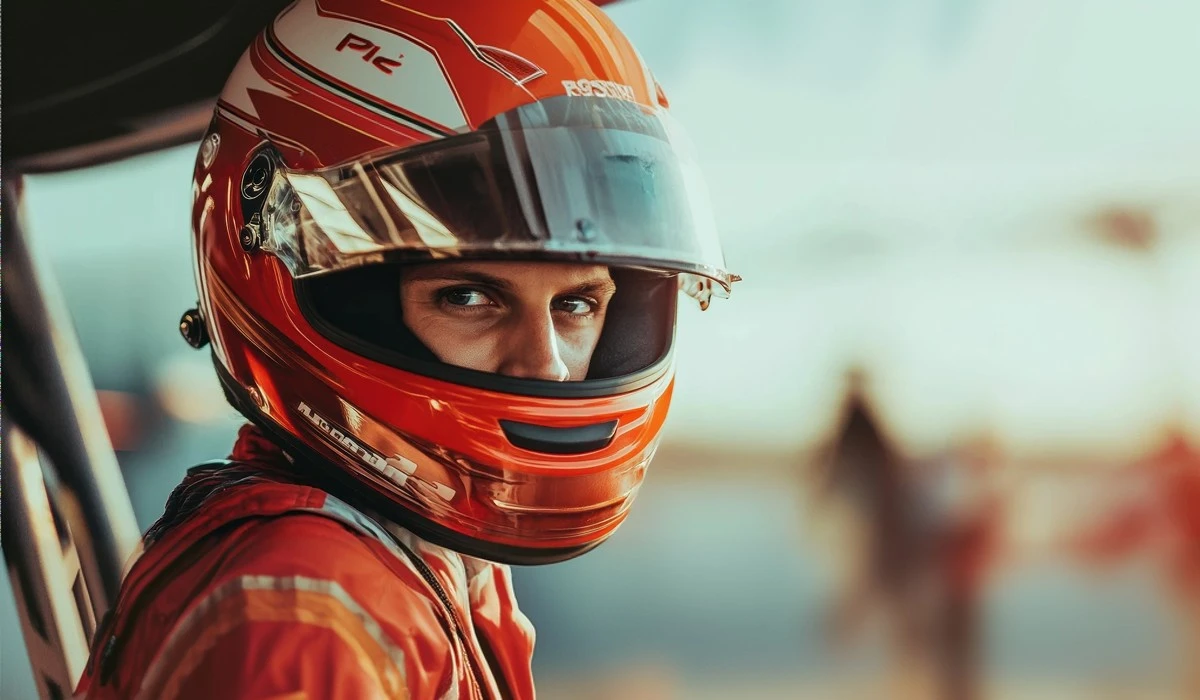
McLaren F1 Vegas Disqualification
McLaren’s Las Vegas Gamble Backfires: A Title Fight Reignited
Formula One history rarely witnesses calculation errors of such magnitude and consequence as the one McLaren committed in Nevada. The stewards disqualified both Lando Norris and Oscar Piastri from the Las Vegas Grand Prix late on Sunday evening. This decision arrived at the absolute worst possible moment for the Woking-based squad. They hoped to secure the drivers' championship with minimal drama before the season finale. Instead, the team now faces the daunting task of explaining a monumental failure to their partners and fans. The error handed a lifeline to their rivals just when the door seemed firmly shut. Max Verstappen, who won the race on the track, suddenly found himself right back in the hunt for the title. The points gap narrowed instantly, and the momentum shifted violently towards the Red Bull garage. McLaren must now regroup rapidly to prevent this single technical infringement from destroying a season of hard work and brilliance.
Championship Dynamics Shift Instantly
The disqualification completely altered the complexion of the drivers' standings with only two rounds remaining. Norris originally finished second and Piastri fourth, results that would have cemented a dominant lead. However, the FIA technical delegates discovered that the skid blocks on both MCL38 cars breached the wear limits. This infringement erased their points haul instantly. Verstappen now sits just twenty-four points behind Norris, a margin that offers no comfort whatsoever. Piastri also trails by the same margin, effectively turning a one-horse race into a three-way shootout. The paddock atmosphere changed from one of coronation to one of intense anxiety. Tension now grips the McLaren motorhome as they realise the scale of their blunder. A comfortable march to glory has transformed into a desperate scramble for survival. The pressure on Norris has increased exponentially as he heads to Qatar knowing that his safety net has vanished completely into the desert night.
The Fragility of the Championship Lead
Lando Norris still holds the winning hand in terms of points, but his margin for error has evaporated. A single slip-up in the final two races could cost him the championship. Any mechanical failure, an unfortunate crash, or another technical infringement would disastrously expose him to Verstappen's charge. The Red Bull driver senses blood and will undoubtedly apply maximum pressure in Doha and Abu Dhabi. Fifty-eight points remain on the table, and the Dutch champion knows how to extract every single one of them. This scenario seemed utterly impossible just a few months ago. Norris held a commanding advantage after the Dutch Grand Prix in August, trailing Piastri by a significant margin but leading Verstappen comfortably. The team had built a fortress of points that looked impregnable. That fortress now looks incredibly fragile. The psychological blow of losing a guaranteed podium finish could linger in the driver's mind during the crucial moments of the next qualifying session.
The Crucial Role of the Skid Block
The component at the centre of this controversy is a humble plank of wood-like material known as the skid block. The FIA introduced this device in 1994 following the tragic accidents at Imola to enforce a minimum ride height. The regulations require the plank to measure ten millimetres in thickness when the car starts the race. Officials allow only one millimetre of wear across the entire Grand Prix distance. Any measurement below nine millimetres results in immediate disqualification, regardless of intent or performance advantage. The plank features titanium skids that generate the spectacular sparks fans see during night races. These skids protect the main board, but they cannot prevent wear if the car bottoms out excessively. The technical delegates measure the thickness at specific holes drilled into the plank. If the gauge passes through too easily, the car fails the test. This binary rule leaves zero room for negotiation or appeal once the measurements confirm a breach.
Ground Effect and Aerodynamic Greed
Modern Formula One cars utilise ground effect aerodynamics to generate the vast majority of their downforce. Engineers design the floor to accelerate air underneath the chassis, creating a low-pressure area that sucks the car onto the track. This suction effect increases dramatically as the floor gets closer to the asphalt. Therefore, teams constantly face the temptation to run their vehicles as low as physically possible. This aggressive approach yields significant lap time gains but puts the skid block in severe danger. The car effectively scrapes along the track surface at high speeds, grinding away the protective material. Finding the perfect balance between ultimate aerodynamic performance and legal plank wear represents one of the sport's toughest technical challenges. McLaren clearly pushed this equation too far in their pursuit of victory. They prioritised the aerodynamic efficiency of the floor over the safety margin required to pass the post-race technical inspection.
The Unique Challenges of Las Vegas
The Las Vegas Strip Circuit presents a unique set of variables that complicate ride height calculations. The track surface is temporary and evolves rapidly throughout the weekend as cars lay down rubber. It also features significant bumps and undulations that the team simulators might not capture perfectly. These bumps cause the car to strike the ground violently, especially when the fuel load is high at the start of the race. The high speeds achieved on the massive straights also force the car downwards due to the immense aerodynamic load. This combination of speed, bumps, and a green track surface creates a perfect storm for plank wear. Teams usually rely on practice data to estimate how much the skid block will erode. However, the Las Vegas schedule and conditions threw several curveballs that blinded the engineers to the impending danger. The unique demands of this street circuit caught the championship leaders completely off guard.
A Weekend of Disrupted Data Gathering
McLaren’s failure to predict the wear rate stems directly from a disjointed practice schedule in Nevada. The team lost critical running time during the second practice session due to two red flag stoppages. These interruptions prevented the drivers from completing their usual long-run simulations. Teams rely heavily on these high-fuel runs to measure plank wear under race-like conditions. Without this vital data, the engineers had to make educated guesses regarding the ride height settings. Matters worsened when rain soaked the circuit during the final practice session. Wet conditions fundamentally alter how the car behaves and produces downforce. The water cools the tyres and changes the ride height dynamics, rendering the data almost useless for a dry race setup. The team entered qualifying and the race effectively flying blind. They locked in their suspension settings without knowing for certain if the skid blocks would survive fifty laps of punishment on the abrasive Las Vegas asphalt.
The Phenomenon of Unexpected Bouncing
The race revealed a hidden problem that the limited practice running had masked. The MCL38 experienced unexpected bouncing, often referred to as porpoising, along the high-speed sections of the Strip. This aerodynamic oscillation forces the car into the ground repeatedly with great force. Each impact grinds away a microscopic layer of the skid block material. The ground-effect regulations introduced in 2022 have made this bouncing a chronic issue for many teams. While most squads have solved the worst of the oscillations, specific track conditions can trigger it again. The bumps in the braking zones added to the vertical punishment the floor received. McLaren's engineers likely saw the data traces showing the car striking the ground but hoped the titanium skids would hold up. The violence of the bottoming out proved far more severe than their models predicted. This physical battering turned a competitive car into an illegal one within the span of ninety minutes.
Warnings from the Cockpit
Evidence suggests the pit wall realised they were in trouble as the race entered its final stages. The race engineers instructed Lando Norris to adopt extensive "lift and coast" techniques during the last ten laps. This driving style involves releasing the throttle well before the braking zone to save fuel and reduce speed at the end of straights. At the time, observers assumed the team needed to manage fuel consumption. Retrospect reveals that the call likely aimed to protect the skid block. Lifting off the throttle reduces the aerodynamic load on the car, allowing the ride height to rise slightly. This action prevents the floor from scraping the track at top speed. The team desperately tried to limp the car home without losing any more material from the plank. Norris hinted at these struggles in the post-race press release, mentioning "issues" that forced him to manage the pace.
Why Rivals Survived the Bumps
The most awkward question facing McLaren is why they alone suffered this fate while their rivals managed perfectly. Red Bull, Ferrari, and Mercedes all raced on the same track under the same bumpy conditions without failing scrutiny. This fact points to an aggressive setup philosophy rather than an inherent track defect. Max Verstappen’s RB21 ran low but remained within the legal limits, allowing him to keep the victory. Other teams likely factored in a larger safety margin to account for the lack of dry practice data. They accepted a slight theoretical performance loss to ensure they finished the race legally. McLaren, perhaps feeling the pressure to seal the championship, rolled the dice on a performance-focused setup. This gamble backfired spectacularly. The error highlights a potential flaw in their simulation tools or a breakdown in communication between the vehicle dynamics group and the race engineering team. They pushed for performance that the car could not legally sustain.
Historical Precedents of Disqualification
Formula One history contains several famous examples of skid block disqualifications that McLaren should have heeded. Michael Schumacher famously lost his victory at the 1994 Belgian Grand Prix for the exact same infringement. His Benetton team argued that a spin over a kerb caused the excessive wear, but the stewards rejected the defence. More recently, Lewis Hamilton and Charles Leclerc suffered disqualification from the 2023 United States Grand Prix. Their teams also ran the cars too low on the bumpy Austin circuit, resulting in a breach of the plank regulations. These precedents demonstrate that the FIA shows zero leniency regarding Article 3.5.9. The rules are binary and absolute. Every team principal knows the risks associated with aggressive ride heights on bumpy tracks. The fact that such an experienced team fell into this trap during a title-deciding weekend makes the mistake even more baffling and egregious.
Mitigating Circumstances Rejected
McLaren attempted to argue that mitigating circumstances contributed to the excessive wear on their vehicles. They pointed to the cold temperatures, the bumpy surface, and the lack of practice time as key factors. However, the stewards consistently rule that it is the competitor's responsibility to ensure the car remains legal at all times. The regulations explicitly state that the setup must account for track conditions and potential wear. If a team lacks data, the prudent approach involves raising the ride height to ensure compliance. Blaming the track surface or the weather holds no weight in the technical regulations. Every team faced the same cold desert air and the same asphalt imperfections. The refusal of the stewards to accept these excuses reinforces the strict nature of technical compliance. The disqualification stands as a stark reminder that performance means nothing if the car does not conform to the rulebook.
The Financial and Moral Cost
The impact of this error extends beyond the drivers' championship points tally. The team also lost valuable points in the constructors' championship, tightening the battle for the team trophy. Losing a double points finish costs the team millions of dollars in potential prize money. Furthermore, the morale hit to the garage crew is immense. The mechanics worked tirelessly throughout the weekend to prepare the cars, only to see their efforts erased by a setup error. Trust in the simulation data and the decision-making process takes a severe beating after such an event. The engineers at the McLaren Technology Centre must now conduct a forensic investigation into why their tools failed them. They need to understand if their wear models are fundamentally flawed or if human error led to the incorrect ride height selection. Rebuilding confidence before the next race is just as important as fixing the car setup.
Andrea Stella’s Leadership Challenge
Team Principal Andrea Stella now faces the most significant test of his leadership since taking the helm. He must rally a demoralised workforce and refocus their minds on the task ahead. Stella has built a reputation for calmness and analytical thinking, traits he will need in abundance this week. He cannot allow a blame culture to develop within the engineering ranks. Instead, he must channel the frustration into a rigorous determination to execute the final two weekends perfectly. The Italian boss must also manage the psychological state of his drivers. Norris and Piastri delivered on track, and the team let them down. Stella needs to ensure they retain faith in the car and the strategy calls for Qatar. His public comments have been apologetic but firm, accepting the blame on behalf of the team. How he manages the internal debrief will determine whether McLaren crumbles or bounces back to claim the crown.
The Road to Qatar
The focus now shifts rapidly to the Losail International Circuit in Qatar for the penultimate round. This track features high-speed corners and smooth kerbs, which should suit the characteristics of the McLaren car. However, the high lateral loads will put a different kind of stress on the vehicle. The team cannot afford to be conservative, yet they will be terrified of another disqualification. Finding the sweet spot again will require nerves of steel. Norris needs to block out the trauma of Las Vegas and drive with the same freedom he showed earlier in the season. He must treat Qatar as a reset point. The championship is still in his hands, provided he scores heavily. Winning the sprint race on Saturday would go a long way towards settling the nerves. The team must provide him with a car that is fast enough to win but safe enough to pass inspection.
Verstappen’s Renewed Hope
Max Verstappen travels to the Middle East with a renewed sense of purpose and belief. The Red Bull driver knows he has received a miraculous second chance to defend his title. The pressure has transferred entirely to the McLaren garage, allowing him to drive with nothing to lose. Verstappen thrives in situations where he can attack, and the points deficit forces him to be aggressive. He will push his car to the absolute limit, hoping to induce another mistake from his rival. The mental battle between the two drivers will be as fascinating as the on-track action. Verstappen has the experience of closing out championships, whereas Norris is navigating these waters for the first time. The momentum swing from Las Vegas could prove decisive if Red Bull can capitalise on their rival's vulnerability. The Dutch driver will undoubtedly remind everyone that the fight is far from over.
The Final Showdown Looms
The season looks set to reach a fever pitch conclusion in Abu Dhabi. The points gap suggests the title will likely be decided under the lights of the Yas Marina circuit. Fans around the world are bracing themselves for a winner-takes-all finale reminiscent of 2021. McLaren's fumble in Las Vegas has gifted the sport a dramatic narrative arc that few predicted. The disqualification serves as a brutal reminder that Formula One is a team sport where the smallest technical detail can decide the biggest prizes. Every millimetre of ride height, every gram of fuel, and every degree of tyre temperature matters. McLaren learned a harsh lesson in Nevada. Whether they can apply that lesson quickly enough to save their season remains the ultimate question. The world will be watching Qatar closely to see if they crumble under the weight of their own mistake or rise to become champions.
Recently Added
Categories
- Arts And Humanities
- Blog
- Business And Management
- Criminology
- Education
- Environment And Conservation
- Farming And Animal Care
- Geopolitics
- Lifestyle And Beauty
- Medicine And Science
- Mental Health
- Nutrition And Diet
- Religion And Spirituality
- Social Care And Health
- Sport And Fitness
- Technology
- Uncategorized
- Videos

