

Rothermere Buys Telegraph For £500m
Rothermere Secures Historic Victory in Battle for Telegraph Ownership-The End of a Long Corporate Saga
Lord Rothermere has finally achieved his goal after years of waiting. His company, DMGT, struck a definitive bargain to take over the Telegraph titles. The transaction values the newspapers at roughly £500 million. This agreement concludes a chaotic chapter involving the consortium known as RedBird IMI. That specific group pairs American private equity money with financial backing from the United Arab Emirates. Just one week prior to this news, the bid from RedBird fell apart completely. Now, the owner of the Daily Mail steps in to fill the void. This consolidation brings two major right-leaning publications under a single corporate umbrella. Observers note that the purchase restores the broadsheet to traditional British ownership after months of fevered speculation. The deal ends the uncertainty that has clouded the future of the paper since the banking seizure.
Lisa Nandy Retains Final Authority
However, the sale remains subject to official sanction. Lisa Nandy, serving as Culture Secretary, holds the ultimate power to approve the move. Her department confirmed that she plans to scrutinize the buyer closely. Nandy must ensure the transfer satisfies strict rules regarding the public interest. She will also check for any potential sway from foreign governments over media mergers. This review process prevents any single entity from damaging the plurality of news available to citizens. Although DMGT is a domestic firm, officials must still verify that the market remains competitive. The government promised to conduct this assessment rigorously to protect press integrity. They will determine if one company owning so many titles restricts the choices available to readers across the United Kingdom.
Two Years of Deep Instability
Staff at the broadsheet endured deep instability for more than twenty-four months. Troubles began when Lloyds Bank seized control from the Barclay dynasty in June 2023. The family failed to service debts exceeding £1 billion, leading to the seizure. RedBird IMI later intervened to settle those financial obligations. They hoped this payment would secure them the keys to the business. Instead, their involvement sparked a political firestorm regarding foreign ownership. This long delay left the newspaper drifting without a clear long-term master. Employees worked under a cloud of doubt while the ownership battle raged in the background. The resolution brings a welcome end to this drift. Everyone involved hopes the new arrangement brings the stability required to plan for the long term.
Political Committees Welcome the News
Dame Caroline Dineage leads the Culture, Media and Sport Committee within the House of Commons. She welcomed the news of a potential conclusion to the saga. Dineage stated she felt eager to see the doubt vanish, noting how it hindered the Telegraph for years. However, she stressed that maintaining diverse media voices remains crucial for democracy. The MP argued that the previous situation damaged the business significantly. She also highlighted how the lack of clarity upset the workforce deeply. Consequently, she urged ministers to clarify their stance on the DMGT proposal swiftly next week. Her committee previously avoided interfering because the government acts in a quasi-judicial capacity during such takeovers. Now, she expects the process to move forward with greater speed and clarity.
Rothermere Reveals Personal Connection
Lord Rothermere shared his personal connection to the title after the news broke. He revealed a long-standing admiration for the publication that dates back years. The chairman described the paper as the finest and biggest broadsheet in the UK. He noted that he grew up with a deep respect for its journalism and heritage. Rothermere emphasized the incredible history attached to the brand. He pointed out that the newspaper played a critical part in molding national discussions across decades. For him, this purchase represents more than just a financial asset; it secures a legacy. He pledged to give the staff the confidence they lacked during the ownership crisis. His statement aimed to reassure those who feared a new owner might disrespect the traditions of the paper.
Promises of Investment and Growth
Management at DMGT quickly addressed concerns about the future direction of the newsroom. Rothermere praised the current editor, Chris Evans, describing him as an exceptional leader. The new owner promised to provide Evans with sufficient funds to boost reporting capabilities. Rothermere holds a specific vision for the future of the publication. He wants to transform the Telegraph into a worldwide brand. He aims to replicate the digital triumph achieved by the Daily Mail over the last decade. This acquisition adds another jewel to the DMGT media crown. Their collection already features the i newspaper, New Scientist, and Metro. These sit alongside the Mail on Sunday and the Daily Mail. The group believes these assets will complement each other effectively.
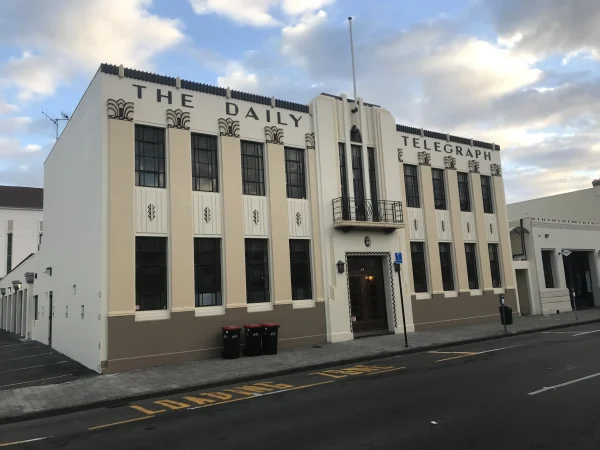
Image Credit - By Schwede66, CC BY-SA 4.0, via Wikimedia Commons
No Foreign Capital Involved
The group insisted that the Telegraph will operate separately from its other newspapers. They guaranteed editorial independence for the title to preserve its unique voice. Furthermore, DMGT argued that their application for approval appears very strong. They noted that the financial setup includes zero capital from foreign nations. This detail is vital because overseas government money derailed the previous bid. By relying solely on private funds, DMGT avoids the legislative barriers that blocked RedBird IMI. Executives believe the deal satisfies every UK regulation currently in force. They expect officials to sign off on the transaction without significant delay. The company wants to integrate the business rapidly to start realizing the benefits of the merger. They see no legal reason for the government to intervene.
Why the Previous Deal Collapsed
A representative for the RedBird IMI consortium spoke about the fast pace of the negotiations. He confirmed that both sides moved quickly to finalize terms with DMGT. The group plans to present the arrangement to the Secretary of State immediately. Insiders connected to RedBird maintained belief in their original plan. They claimed their bid would have survived a standard government check. However, they pointed to hostile coverage from Telegraph journalists as a deal-breaker. The newsroom ran numerous stories attacking the Emirati connection. This internal opposition made future management impossible, forcing the investors to withdraw their interest completely. They realized that owning a newspaper where the staff actively opposes you creates an unworkable business environment.
Skepticism from the Liberal Democrats
Lord Fox serves as the business spokesperson for the Liberal Democrats. He offered a guarded reaction to the announcement regarding the sale. Fox agreed that ending the instability plaguing the paper merits consideration. Yet, he expressed deep skepticism about the consolidation of influence. Liberals worry when a small circle of people controls the agenda. Fox fears that too much power now rests in too few hands. He called on the competition watchdog to scrutinize the agreement details thoroughly. The peer wants to ensure the media market does not become more lopsided. He warned that consumers and rivals might suffer if one company dominates. He urged regulators to look beyond just the economics and consider the democratic impact.
The Role of Competition Watchdogs
The Competition and Markets Authority (CMA) will now launch a detailed investigation. They must determine if this merger creates a monopoly in the right-wing press. Officials will analyze advertising revenue and reader overlap between the titles. The regulator possesses the power to demand structural changes before approving the sale. For instance, they might force DMGT to sell the i newspaper or Metro. Such remedies would prevent the company from holding excessive market share. If the economic modeling suggests readers will lose out, the CMA can block the deal entirely. The process involves complex legal and economic assessments that could take months. Both parties must prove that the acquisition will not harm the advertising market or consumer choice.
New Laws Blocked Foreign Funds
Parliament recently updated laws to protect British news organizations from external control. The Digital Markets, Competition and Consumers Act now bans sovereign funds from foreign nations from owning more than 15 percent of a newspaper. This legislation specifically targeted the structure of the RedBird IMI proposal. The Abu Dhabi royal family owns the IMI portion of that joint venture. They provided the vast majority of the cash for the initial takeover attempt. Consequently, the bid violated the new ownership caps introduced by the government. Although RedBird tried to restructure the financing, the political damage was irreversible. The government acted to ensure cultural assets remain free from overseas state control. This law changes effectively decided the fate of the previous bid.
American Ambitions That Failed
Gerry Cardinale, the founder of RedBird, originally harbored grand designs for the brand. He planned to grow the audience for the Telegraph significantly in the United States. Cardinale believed a gap existed in the American market for centre-right news coverage. He wanted to increase the number of subscribers across the Atlantic. His firm holds a diverse portfolio of sports and media assets globally. This includes ownership of AC Milan, the giants of Italian soccer. Despite his commercial logic, the political optics in London proved fatal. The fear of Emirati influence outweighed the potential for business expansion in America. His vision for a trans-Atlantic news powerhouse could not survive the scrutiny of Westminster politicians.
The Fall of the Barclay Dynasty
The Barclay brothers initially purchased the Telegraph Group in 2004. They paid £665 million to acquire the titles at that time. Their tenure ended in humiliation when lenders seized the business recently. Sir David and Sir Frederick Barclay were once the wealthiest men in the UK. During their reign, the paper broke the parliamentary expenses scandal, a high point for journalism. However, later years saw the business suffer from family disputes and declining revenue. Their failure to repay loans led directly to the recent chaos. History will likely view them as custodians who lost a national treasure through financial mismanagement. The loss of the paper marks the end of their influence in British public life.
Digital Strategy Drives the Purchase
Buying the Telegraph aligns perfectly with the strategy at DMGT. The company successfully transitioned the Daily Mail from print to digital dominance. Executives intend to apply similar tactics to their new acquisition to boost growth. The Telegraph already boasts a healthy number of digital subscribers. DMGT can use its infrastructure to reduce operational costs significantly. Merging administrative functions while keeping editorial teams apart offers a route to higher profits. This synergy makes the £500 million price tag look attractive to Rothermere. He sees an opportunity to streamline the business while boosting its online presence. The combined data from both audiences will provide a powerful tool for selling advertising.
Consolidating Conservative Influence
This deal marks a pivotal moment for the British newspaper industry. The Telegraph acts as a key voice for the Conservative Party. Its ownership carries significant weight in political circles and election campaigns. Selling to DMGT keeps this influence within the established British elite. It avoids the unpredictability that a hedge fund might have introduced. However, critics worry about the reduction in diverse viewpoints within the press. The political class will watch closely for any shift in the paper's tone. Rothermere promised continuity, but ownership changes inevitably bring subtle adjustments. The industry now waits to see how the regulators react to this concentration of power.
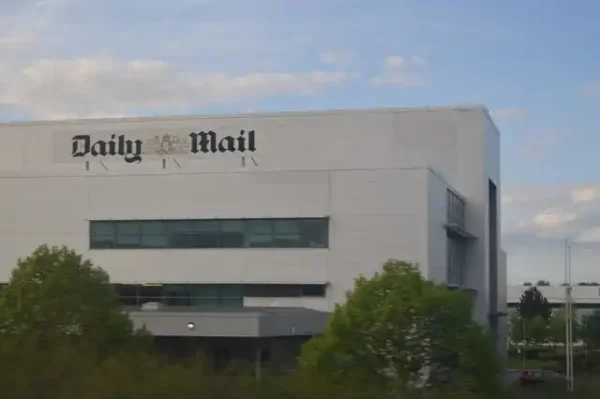
Image Credit - By Daily Mail by N Chadwick, CC BY-SA 2.0, via Wikimedia Commons
Rebuilding Staff Morale
Winning over the workforce is the immediate challenge for DMGT management. Years of doubt have damaged morale among the journalists and support staff. Rothermere’s public support for the editor is a positive start to the relationship. He needs to convince the staff that efficiency drives will not harm reporting. Integrating the two organizations requires careful management of cultural differences. The Mail and the Telegraph operate with distinct styles and traditions. Merging them successfully determines the long-term value of the purchase. Staff hope this deal brings the security they have lacked since the Barclays lost control. They want an owner who invests in journalism rather than stripping assets.
Rivals Left in the Cold
Several other parties expressed interest during the lengthy auction process. Sir Paul Marshall and Rupert Murdoch’s News UK were rumored potential buyers. The exclusivity deal with DMGT effectively eliminates them from the race for now. These rivals must now compete against a much stronger entity in the market. The consolidation makes the environment tougher for smaller publishers to survive. It also raises the barrier to entry for any new competitors. The established giants are fortifying their positions against tech platforms like Google. This move by Rothermere secures his place at the top of the hierarchy. Competitors will now look for other ways to scale up their own operations.
The Spectator Goes Its Own Way
The Spectator magazine followed a different path than its sister papers. The weekly political journal was sold separately to Sir Paul Marshall. He paid £100 million for the title in a separate transaction. Marshall, a prominent investor in GB News, shares the magazine's ideological stance. This split unwinds the combined structure the Barclays created decades ago. It permits each publication to follow its own strategy without distraction. The Spectator remains a forum for intellectual debate, while the Telegraph focuses on daily news. This separation clarifies the market for advertisers and readers alike. It ensures that the magazine does not get lost inside a massive newspaper conglomerate.
Global Expansion Plans
Lord Rothermere’s reference to a "worldwide brand" signals his ambition for the future. He sees potential for growth in the Commonwealth and America. The Daily Mail achieves massive traffic in the US through celebrity content. The Telegraph will likely target a different demographic, focusing on serious analysis and business. Expanding internationally requires heavy investment in foreign bureaus and marketing. DMGT possesses the cash flow to support such a rollout. Success abroad could offset the slow decline of print sales in the UK. This global outlook drives the logic behind the acquisition. They aim to export British journalism to English speakers around the globe.
A Defining Moment for Media
Securing the Telegraph resolves one of the longest sagas in media history. It keeps a vital institution in domestic hands rather than foreign ones. The deal reshapes the landscape, creating a dominant conservative publisher in London. Regulatory obstacles remain, but the political mood favors a British solution. Lord Rothermere has wagered heavily on the enduring power of quality journalism. The coming months will reveal if his vision can overcome the commercial challenges. The industry will be watching every move as the integration begins. If successful, this merger could define the structure of the British press for the next generation.
Recently Added
Categories
- Arts And Humanities
- Blog
- Business And Management
- Criminology
- Education
- Environment And Conservation
- Farming And Animal Care
- Geopolitics
- Lifestyle And Beauty
- Medicine And Science
- Mental Health
- Nutrition And Diet
- Religion And Spirituality
- Social Care And Health
- Sport And Fitness
- Technology
- Uncategorized
- Videos

