
Why is important to do a diploma in library science?
Career as a librarian
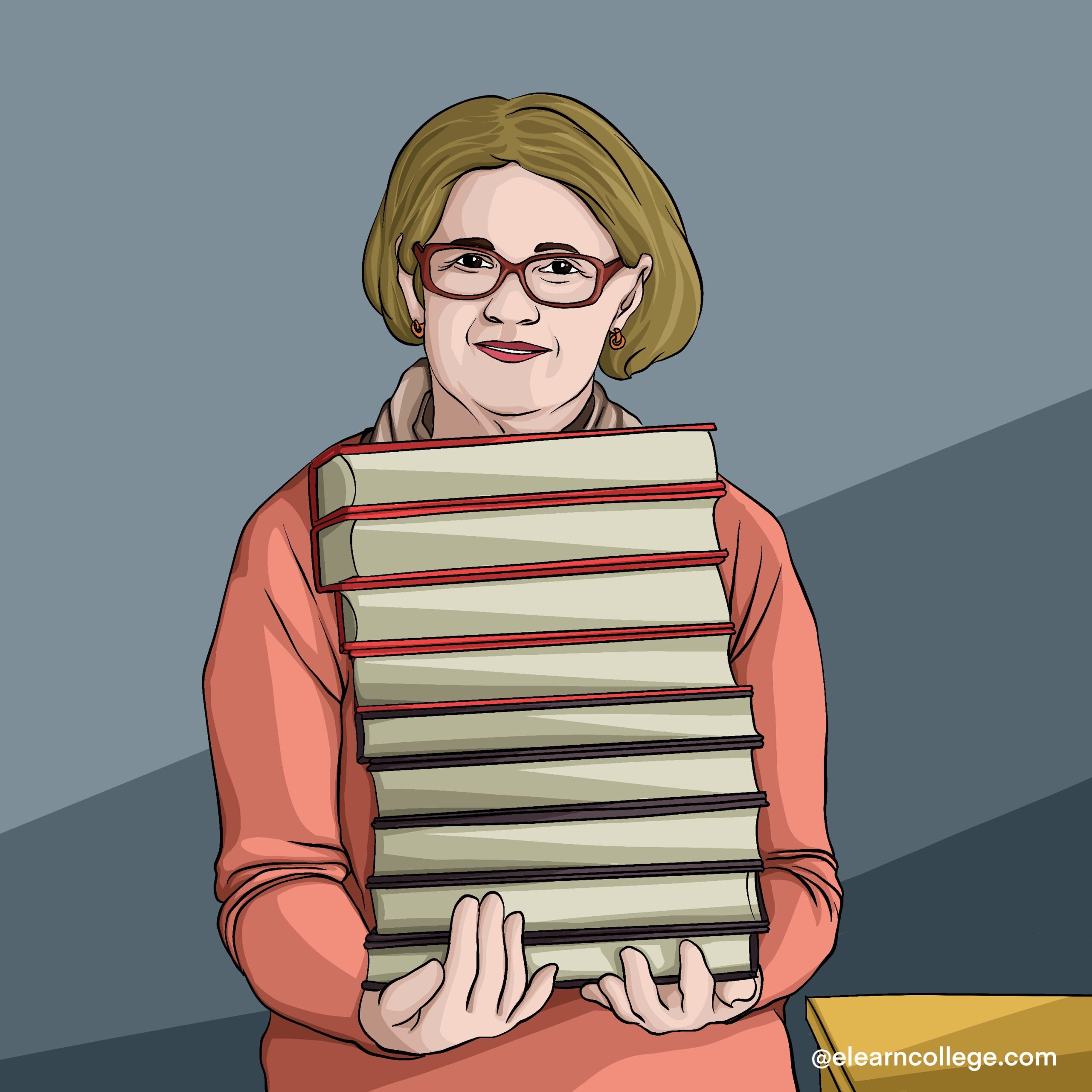
A library without a librarian is challenging to imagine. As a librarian, his primary duty is to help people. In addition, he is the one who arranges books in order and coordinates the programmes. As a result, a librarian makes the library a community resource. Librarian jobs are available in schools, hospitals, and government agencies. But, to become a librarian, you can either do a diploma program in the subject or go traditionally and get a master's in library science.
In this age of technology, it is preferable to do a diploma in library science. These programs will let you qualify for the highly demanding profession at your convenience.
Serving the customer
Serving the customers is the most important of a Librarian's duties. As a result, the librarian desk guides the people to make the best use of library resources. In addition, dealing with customers' complaints is also the duty of librarians.
The customer service given by each library is different. School librarians instruct students to utilise library assets. Government librarians offer research services to the employees of public firms. Law librarians provide information to students of law, judicial officers, and legal advisers. Similarly, academic librarians help people do their research and support in finding information.
Reaching out to society.
Libraries should conduct programmes to reach out to people and organisations. They must prepare and supervise newsletters for the local community and provide special assistance for charities or social events. They also organise storytelling sessions and other different types of events for children.
Cataloguing
Librarians have to organise library materials so that customers can immediately locate resources. Therefore, arranging and listing information is library science's science. A librarian also must collect and index the database and other information.
Administration
A librarian also has several administrative commitments. He manages the library budget. Furthermore, he employs, trains and supervises staff at the library. Librarians decide when the libraries require PCs, copiers or any other hardware. They also must negotiate agreements for appliances and materials. Sometimes, they also enter into contracts for buying materials and devices. At bigger libraries, the tasks will be handled by specialised librarians.
Skills
A librarian needs some specific skill sets to perform his duties. First of all, librarians must have good communication skills. This will help them understand what the library users need. They use problem-solving techniques to resolve the problems of readers. In addition, computer proficiency is necessary since library administrations and cataloguing are electronic these days. Moreover, the segment grows to accommodate the changing trends with each passing day. To handle these changes, librarians have to be flexible, and they should be aware of applying knowledge to the new techniques.
Education
What is the required qualification of a Librarian? To become a librarian, one needs a diploma in library science. Advanced education in library science prepares ambitious librarians in the related subjects. Furthermore, in addition to a diploma in library science, librarians in schools require a teaching certificate.
The Job
Conventionally, a library refers to a place that stocks books and paper records. However, the new-age definition also considers it a spectrum of advanced electronic devices. As a result, librarians assist readers in finding information and making the best use of it. It is, therefore, important for them to be aware of communal sources of information. They must also keep track of media, computers, and publishing trends. This is to supervise the packing and organising of library materials.

The job of a librarian focuses on three main aspects:
User Services
In this case, librarians work with customers to search for the desired information by analysing their needs. This service also entails an instructional activity. This is teaching users to look for information by navigating the internet.
Technical services
Services like cataloguing and acquisitions are termed technical services. Librarians performing these are responsible for gathering, preparing and categorising materials to facilitate easy finding. Some of them also write summaries and abstracts. These librarians usually do not interact with the public directly.
Administrative services
Besides supervising the staff, librarians in these services also overlook the planning and management of the library, including negotiating contracts, equipment and material, public relation and fundraising activities, budget preparation and activities to warrant the overall smooth functioning etc.
In smaller libraries, the librarians take care of all three aspects. They not only go through book reviews, catalogues and publishers' broadcasts to keep themselves abreast with the latest works but also handpick and acquire material from publishers, distributors and wholesalers. Furthermore, they create new material, segregate its topic, and describe books, magazines and other sources, making them easily findable. In addition, librarians oversee the work of assistants responsible for feeding categories and descriptions of various materials into electronic devices. In larger libraries, librarians dedicate their expertise to a particular area, like cataloguing, references, acquisitions, administration, bibliography, and special collections. Hence, good coordination and teamwork become necessary.
A librarian will be a good bet if one is looking for reading or research suggestions. They often have collections on most subjects which they analyse. They compile booklists, articles, bulletins, electronic information, and audio-visual material. Besides, they arrange sessions like storytelling for kids and literary fairs, reading/writing workshops for adults. Librarians conduct classes, advertise their services, offer grants and supervise all execution.
While most libraries maintain their online databases, they can also access remote ones. This implies that database- searching has become an important skill for librarians. They develop and maintain a database guide and help teach patrons to improve their searching abilities. Therefore, nowadays, libraries form an association of sorts to enable users to reach an extensive range of archives and request information from numerous libraries. With the internet expanding to contain infinite knowledge, librarians should know the use of these resources and share the same with the general public.
Librarians can be categorised depending on the library they work in:
- A public library.
- Media centre.
- University, college, school or any other educational library.
- A special library.
In the case of a special library, the librarians work at information centres preserved by government establishments or agencies, law firms, professional associations, museums, unions, advertising firms, hospitals, research labs or religious groups. They obtain and arrange specific information, usually restricted to areas of special interest for any organisation. For instance, a corporate librarian can help provide the competitors' sales information or even new developments in the field. Similarly, a medical librarian can deliver material on new medical discoveries, treatments, trials and procedures to hospital admin, the team of doctors, patients, drug companies etc. Librarians, who work in various state government depositories, preserve and broadcast official records, publications and all other documents that are part of the account of governance activity.
Librarians who are technically sound and familiar with computer systems can perform the activities of automated systems librarians and information architects. This involves planning and executing storage and recovery systems and creating techniques for gathering, organising, deducing, and categorising information for present-day and future requirements. With the help of automated systems, librarians can focus on budgeting and managerial errands, writing grants and specific appeals while delegating the day-to-day duties to technicians.
Librarians' knowledge management & research expertise are also applied to situations external to libraries- for instance, developing databases, reference tools and information systems; marketing; broadcasting; web content management; design and user training. Some librarians who work independently as entrepreneurs often freelance as consultants or information advisors and provide their services to libraries, government organisations or companies.
Work Environment
Librarians usually spend the most time at their office desks or computer stations. Working long hours in this atmosphere affects their eyesight and may cause headaches. Helping users gather information and books can be stimulating and satisfying. But, working with clients under deadlines may be taxing and tough. Although most libraries have easily reachable stacks, sometimes the librarians may have to shelve books independently without support staff.
A quarter of librarians are part-time workers. University and public librarians usually work on evenings and weekends. School librarians follow the same work and holiday schedule as the teaching staff. Special librarians typically operate in standard business hours, but if required, they may extend for longer durations – for instance, in legal, advertising and other dynamic industries.
Desired Qualification
To enrol on a master's in library science, you just need a bachelor's degree in any field. The course is available in many colleges and is 1-2 years duration. The master's program in library science includes lectures in information science and library foundation – such as academic freedom and restrictions, printing, the impact of libraries in society, books' history, etc. Besides these, other courses include picking resources, organising information, client services and research techniques and strategies. Librarians also study web-based research techniques, reference systems and computerised circulation systems. Elective courses include categorising, cataloguing, abstracting and indexing; library administration; and resources for kids and young adults. Computer-related courses form a very important portion of the master's in library science program. Many programs combine technical information science courses with conventional library science training as an interdisciplinary degree.
Other than pursuing a general degree, many people opt for specialisation, such as a reference, children's, or technical services. A doctorate in library and information science benefits a top-level administrative job with a big public library or a college/university library.
Master's in library science online.
Getting a master's in library science from a traditional college is difficult. It requires a considerable amount of time and resources. Master's in Library science programs' cost is something that repels many candidates. But, there are many alternatives to this in the online mode. Master's in library science programs online helps students to achieve their goal of becoming a librarian on a small budget at the student's convenience.
Conclusion
If you are someone who likes books, wants to be in a world of books and wants to earn from it, studying library sciences would suit you. The best option is a diploma in library science; by doing so, you will get exposure to the librarian profession and open a portal of opportunities in front of you that will help you end up as a librarian anywhere around the world.
Recently Added
Categories
- Arts And Humanities
- Blog
- Business And Management
- Criminology
- Education
- Environment And Conservation
- Farming And Animal Care
- Geopolitics
- Lifestyle And Beauty
- Medicine And Science
- Mental Health
- Nutrition And Diet
- Religion And Spirituality
- Social Care And Health
- Sport And Fitness
- Technology
- Uncategorized
- Videos

