Subtotal:
£199.00


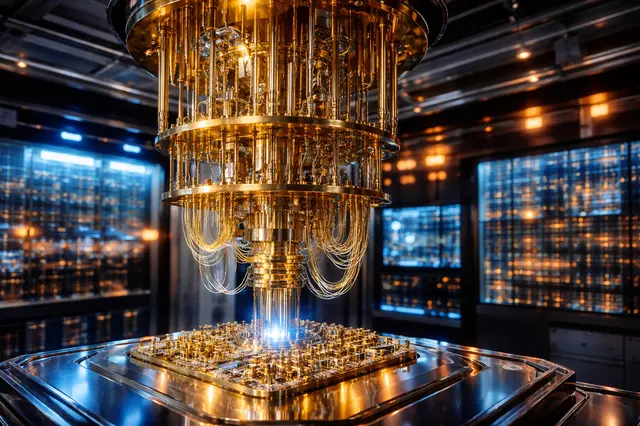
Quantum Computing course introduces a powerful shift in how humanity understands computation. Classical machines rely on silicon circuits and predictable binary logic. However, modern scientific discovery now explores far smaller and more complex physical processes. As a result, researchers increasingly look beyond conventional hardware toward atomic and subatomic systems. The Quantum Computing course explains this transformation clearly and guides learners through the scientific ideas shaping the next generation of technology.
First, the Quantum Computing course explores the historical path that led to quantum technologies. Early computing machines relied on mechanical calculation and later electronic circuits. Over time, silicon processors delivered remarkable performance improvements. Yet modern challenges in medicine, climate modelling and materials science now require computational power far beyond classical limits. Therefore scientists began exploring quantum behaviour inside atoms and particles. Consequently a new paradigm of information processing began to emerge.
The Quantum Computing online course explains how computation evolved from early algorithms into complex digital infrastructures. Learners examine how processors store and manipulate information. Furthermore the programme clarifies the limitations of classical systems when scientists attempt to simulate molecular interactions, astrophysical events or advanced biological processes. Therefore the Quantum Computing course presents quantum technology as a response to these challenges. Step by step, learners see how the scientific community moved toward quantum information science.
Next, the Quantum Computing online course introduces the foundations of subatomic physics. It describes the behaviour of particles at extremely small scales. Concepts such as superposition, entanglement and probability reshape traditional ideas about logic and measurement. Consequently these principles form the basis of quantum information processing. The course explains these concepts in clear language so that learners understand their scientific meaning and technological importance.
Furthermore the Quantum Computing course examines how engineers design systems capable of manipulating quantum states. Researchers must build extremely precise environments in order to control atomic particles. Temperature control, electromagnetic isolation and microscopic fabrication all play vital roles. Therefore learners gain insight into the engineering challenges that surround modern quantum laboratories. As a result they appreciate how physics, materials science and engineering combine to create quantum hardware.
Moreover the Diploma course explores architectures that power next-generation computers. Classical machines use bits that represent either zero or one. In contrast, quantum systems use qubits. These qubits exist in multiple states simultaneously. Consequently quantum computers can evaluate complex possibilities in parallel. The Quantum Computing course explains how different qubit technologies operate, including superconducting systems, trapped ions and emerging atomic platforms.
Additionally the online course highlights the impact of quantum technology across scientific fields. Researchers now use quantum simulation to investigate molecular chemistry. These simulations help scientists understand the chemical behaviour of life at the atomic level. Consequently pharmaceutical research may accelerate as scientists analyse protein interactions and molecular reactions with unprecedented precision.
Likewise the Quantum Computing course explores how quantum simulation could transform agriculture. Plant energy systems depend on complex biochemical processes. Scientists suspect that quantum modelling may reveal new insights into photosynthesis and plant metabolism. Therefore improved crop efficiency and agricultural resilience may emerge through deeper understanding of biological energy conversion.
Furthermore the Quantum Computing Diploma course investigates catalytic chemistry and agricultural yields. Catalysts play crucial roles in fertiliser production and industrial chemistry. However classical simulation struggles to predict catalytic reactions accurately. Quantum computation may provide new tools for modelling these reactions. As a result scientists could design more efficient catalysts and improve agricultural sustainability.
In addition the Quantum Computing online course examines the role of quantum modelling in energy storage and transportation technologies. Batteries, hydrogen systems and advanced fuels depend on molecular interactions that remain difficult to analyse with classical computers. Quantum simulation may help researchers discover new materials for energy storage. Consequently future transportation networks could become more efficient and environmentally responsible.
Equally important, the Quantum Computing course discusses medical innovation. Quantum technologies may support advanced disease detection and pathological analysis. Researchers already explore quantum sensors capable of identifying extremely subtle biological signals. Therefore medical diagnostics may achieve greater accuracy and earlier detection of disease. Learners in the Quantum Computing course gain an understanding of how physics intersects with modern healthcare research.
The Quantum Computing Diploma course also considers genetic therapies and complex climate modelling. Modern climate science relies on immense datasets and sophisticated simulations. Quantum algorithms may enhance these predictive models and improve understanding of environmental change. Meanwhile genetic research may benefit from faster analysis of molecular structures and biological interactions. Consequently the Quantum Computing course highlights the potential social impact of emerging quantum technologies.
Moreover the Quantum Computing online course explores the role of quantum simulation in astrophysics. Scientists study extreme cosmic events such as black holes, stellar formation and gravitational interactions. Classical computers struggle to model these phenomena accurately. Quantum simulation may offer new tools to investigate the universe with unprecedented detail. Therefore the Quantum Computing course connects quantum science with the broader quest to understand cosmic evolution.
Throughout the learning journey, the Quantum Computing course maintains a clear focus on digital education. Learners access all materials through a flexible online learning environment. Consequently students can study at their own pace while engaging with structured lessons and interactive explanations. The online course presents complex scientific ideas in accessible formats, including guided learning materials, explanatory examples and progressive learning activities.
Furthermore the Quantum Computing Diploma course suits learners from diverse academic backgrounds. Some students may come from technology or engineering disciplines. Others may approach the topic from science, data analysis or strategic innovation. Regardless of background, the Quantum Computing course provides a structured pathway into this rapidly developing field.
Each unit concludes with a multiple-choice examination. This exercise will help you recall the major aspects covered in the unit and help you ensure that you have not missed anything important in the unit. The results are readily available, which will help you see your mistakes and look at the topic once again. If the result is satisfactory, it is a green light for you to proceed to the next chapter.
Therefore the online course encourages continuous reflection and learning reinforcement. Students review each topic carefully before moving forward. Consequently the programme supports deeper understanding rather than simple memorisation.
Consequently the Quantum Computing Diploma course offers both academic recognition and practical knowledge. Learners gain a strong conceptual foundation in quantum science while also exploring the technological applications that may shape the future of computing. Moreover the flexible structure of the Quantum Computing online course allows learners to develop expertise without interrupting professional or academic commitments.
Ultimately the course presents an exciting gateway into one of the most transformative technological fields of the century. Quantum technologies promise breakthroughs across medicine, energy, agriculture and astrophysics. Therefore learners who complete the Quantum Computing course gain insight into the scientific revolution that may define the coming decades.
1:The Transition from Silicon to Atomic Computing
2:The Evolution of Computation
3:Foundations of Subatomic Physics
4:Engineering the Microscopic World
5:Architectures of Next-Generation Computers
6:Analyzing the Chemistry of Life
7:Enhancing Plant Energy Systems
8:Agricultural Yields and Catalysis
9:Innovations in Energy Storage and Transportation
10:Advanced Disease Detection and Pathology
11:Genetic Therapies and Climate Modeling
12:Simulating Astrophysics and Future Scenarios

After completing the course, you will receive a diploma certificate and an academic transcript from Elearn college.
Each unit concludes with a multiple-choice examination. This exercise will help you recall the major aspects covered in the unit and help you ensure that you have not missed anything important in the unit. The results are readily available, which will help you see your mistakes and look at the topic once again. If the result is satisfactory, it is a green light for you to proceed to the next chapter.
Elearn College is a registered Ed-tech company under the UK Register of Learning( Ref No:10062668). After completing a course, you will be able to download the certificate and the transcript of the course from the website. For the learners who require a hard copy of the certificate and transcript, we will post it for them for an additional charge.


£199.00

£199.00