


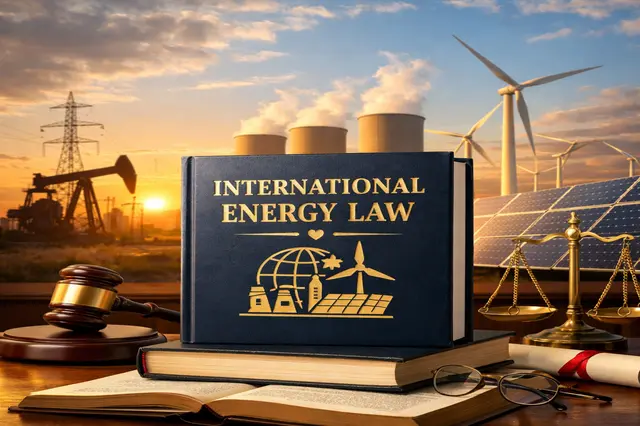
International Energy Law
£199.00
Description
International Energy Law Diploma Course
The International Energy Law course is a comprehensive programme designed to equip professionals with a deep understanding of the legal frameworks shaping global energy markets. This online course delves into the intricate relationships between international law, energy resources, and commercial agreements. Whether you’re a legal professional, energy analyst, or industry expert, this course will guide you through the key aspects of energy law and its application across borders.
Energy law plays a crucial role in the development and management of energy resources, impacting everything from global energy markets to local energy solutions. The International Energy Law course offers insights into the foundations of international energy law, examining how various legal systems and regulations influence the way energy is produced, consumed, and traded worldwide. Through an exploration of legal principles, regulatory policies, and industry standards, this course will give you a well-rounded view of the energy sector’s legal landscape.
The International Energy Law online course begins with an introduction to the basic principles of energy law, exploring its sources and the foundational frameworks that guide energy transactions. It then covers the complexities of petroleum licensing and contract models, focusing on how these frameworks are used to govern the extraction and sale of petroleum resources. Students will explore the nuances of licensing regimes, joint ventures, and production-sharing agreements, all essential for understanding the global energy market.
A significant portion of the course focuses on the coal sector, offering a deep dive into global coal law and its social impact. This section looks at the regulation of coal resources, addressing the challenges of managing coal’s environmental impact while balancing the needs of energy production. The International Energy Law Diploma course will equip you with the knowledge necessary to understand these regulatory mechanisms and their role in shaping the energy industry’s environmental landscape.
As the course progresses, it will shift focus to electricity sector reforms and contracts, exploring how regulations and agreements govern the generation, distribution, and transmission of electricity. This part of the course discusses the challenges faced by countries as they transition to more efficient and sustainable electricity systems while also managing political and commercial interests. The course will help you understand the legal complexities of energy market deregulation and the formation of contracts between public and private entities in the electricity sector.
The International Energy Law course also covers the emerging field of renewable energy technologies and their associated regulatory mechanisms. With the global push towards sustainable energy, this module will help you navigate the legal challenges surrounding renewable energy sources such as wind, solar, and hydropower. You will explore how international energy law facilitates the development of renewable energy while addressing issues like market competition, subsidies, and environmental protection.
In addition to renewable energy, the course delves into the delicate balance between energy security and environmental protection. Students will examine how energy laws strive to ensure reliable energy supply while addressing concerns about climate change, pollution, and the depletion of natural resources. The module will give you an understanding of how energy security laws vary across jurisdictions and the challenges governments face when creating policies that satisfy both energy demand and environmental goals.
As part of the course, you will also look at shared energy resources and trade law, an essential topic for understanding how energy resources, like oil and gas, cross borders in the global market. With a focus on international treaties, trade agreements, and cross-border energy pipelines, this section helps you understand how international cooperation shapes global energy flows and the potential for disputes and resolutions.
Investment stability and energy are another key aspect covered in the course. This section examines how international energy law provides legal protection for energy investments, ensuring long-term stability for companies operating in the sector. The course will explore how international treaties and agreements help mitigate the risks faced by investors in volatile energy markets, as well as the role of national laws in attracting and retaining foreign energy investment.
Energy business and human rights law form another important part of the course. It addresses how energy projects, especially large-scale infrastructure projects, intersect with human rights issues. The course will provide you with a clear understanding of how international law addresses the human rights implications of energy projects, particularly in the context of land acquisition, displacement, and the protection of local communities.
Another focus of the International Energy Law online course is the role of sanctions regimes in the energy sector. This module looks at how economic sanctions impact energy companies and international trade. It explores the relationship between international sanctions and energy law, helping you understand how legal and regulatory frameworks are used to restrict or facilitate energy trade between countries.
Energy dispute resolution is a key topic within the course. You will examine the mechanisms available for resolving disputes in the energy sector, including arbitration and litigation. The course will teach you about the role of arbitrators in energy disputes and how to navigate the complex legal processes that arise in the context of energy-related conflicts. It will also cover the enforcement of arbitration awards and the challenges associated with the implementation of international arbitration decisions.
Each unit concludes with a multiple-choice examination. This exercise will help you recall the major aspects covered in the unit and ensure that you have not missed any important details. The results are readily available, helping you identify areas for improvement and allowing you to review any material that may require further attention. Once you are satisfied with your results, you can confidently move on to the next chapter.
What you will learn
1:Foundations and Sources of International Energy Law
2:Petroleum Licensing and Contract Models
3:Global Coal Law and Social Impact
4:Electricity Sector Reforms and Contracts
5:Renewable Energy Technologies and Regulatory Mechanisms
6:Balancing Energy Security and Environmental Protection
7:Shared Energy Resources and Trade Law
8:Investment Stability and Energy
9:Energy Business and Human Rights Law
10:Sanctions Regimes and their Impact on Energy Business
11:Energy Sector ADR and Arbitrator Selection
12:Energy Arbitration Enforcement and Litigation

Tutor Support
Course Outcomes
After completing the course, you will receive a diploma certificate and an academic transcript from Elearn college.
Assessment
Each unit concludes with a multiple-choice examination. This exercise will help you recall the major aspects covered in the unit and help you ensure that you have not missed anything important in the unit. The results are readily available, which will help you see your mistakes and look at the topic once again. If the result is satisfactory, it is a green light for you to proceed to the next chapter.
Accreditation
Elearn College is a registered Ed-tech company under the UK Register of Learning( Ref No:10062668). After completing a course, you will be able to download the certificate and the transcript of the course from the website. For the learners who require a hard copy of the certificate and transcript, we will post it for them for an additional charge.
Related Products


Public Relations
£199.00

Time Management
£199.00


