- No products in the cart.
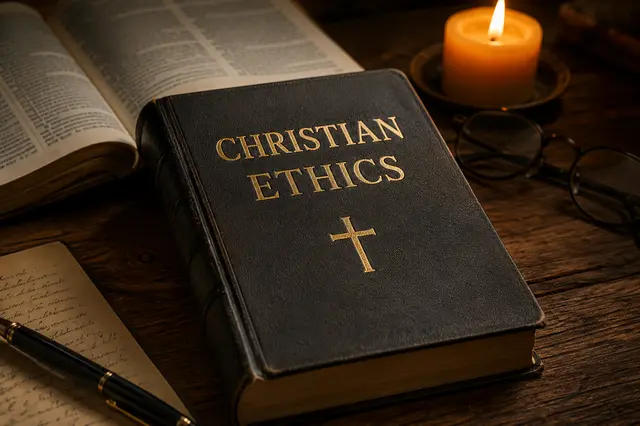
Christian Ethics
£199.00
Description
Christian Ethics Diploma Course
The Christian Ethics course offers a structured and engaging introduction to the moral traditions, principles and debates that have shaped Christian thought across centuries. Designed specifically for flexible online learning, this course helps learners understand how Christian ethics influences personal conduct, public life, political engagement, social responsibility and contemporary moral decision-making.
Christian ethics continues to play an important role in discussions about justice, human dignity, peace, economics, environmental responsibility and healthcare. Therefore, this course provides a strong foundation for anyone who wishes to explore the ethical teachings of Christianity and their relevance in today’s world.
Throughout the Christian Ethics course, learners examine key ethical frameworks and discover how Christian thinkers have approached moral questions in different historical periods. Moreover, the course encourages critical thinking and ethical reflection while helping learners connect theological principles with practical situations.
As you progress through the programme, you will explore the foundations of Christian ethical analysis and gain insight into the methods that guide ethical reasoning within Christian traditions. Furthermore, you will study classical approaches to ethical methodology and understand how influential scholars and theologians shaped moral thought throughout history.
The course also explores modern methodological debates in Christian ethics. Consequently, learners develop a broader understanding of how contemporary Christian scholars address complex ethical issues in an increasingly diverse and interconnected world. In addition, the course highlights different perspectives while encouraging balanced and informed evaluation.
A significant part of the programme focuses on the relationship between ethics, politics and justice. You will study Augustine’s vision of politics and justice and examine how his ideas continue to influence Christian social thought. Moreover, you will analyse important themes relating to authority, governance, citizenship and moral responsibility.
Moving forward, the course investigates medieval and Reformation political and economic thought. As a result, learners gain valuable insight into how Christian thinkers approached issues such as wealth, poverty, labour, trade and social order. These discussions provide historical context that remains relevant to many contemporary debates.
The Christian Ethics online course also examines contemporary Christian perspectives on politics and economics. Therefore, learners explore modern discussions surrounding social justice, economic inequality, public policy and ethical leadership. These topics help bridge the gap between historical teachings and present-day challenges.
War and peace represent some of the most significant ethical questions within Christian traditions. Accordingly, the course introduces the foundations of Christian thought on war and peace and explains the development of key principles that have guided ethical reflection on conflict and reconciliation.
Furthermore, learners study scholastic and Reformation views on warfare and soldiery. This section explores how different Christian traditions evaluated military service, violence and the pursuit of peace. At the same time, learners consider the ethical tensions that arise during times of conflict.
The course then moves towards modern Christian debates on war and liberation. Consequently, learners examine contemporary perspectives on human rights, resistance, oppression and peacebuilding. These discussions encourage thoughtful engagement with some of the most pressing ethical concerns facing societies today.
Environmental stewardship has become an increasingly important subject within Christian ethics. Therefore, the Christian Ethics course includes a dedicated exploration of Christian ethics and the environment. Learners investigate themes such as creation care, sustainability, ecological responsibility and environmental justice. Moreover, they consider how faith-based values can contribute to addressing global environmental challenges.
Another important focus of the programme involves human life and interpersonal relationships. Throughout this section, learners examine ethical questions surrounding family, community, friendship, responsibility and human dignity. In addition, the course encourages reflection on how Christian ethical principles can inform healthy and respectful relationships.
The Christian Ethics online course also addresses modern debates on bioethics and racism. As medical technology advances and societies become increasingly diverse, ethical questions continue to grow in complexity. Therefore, learners explore issues relating to healthcare, human life, equality, discrimination and social justice. Furthermore, they develop a deeper understanding of how Christian ethical traditions contribute to these important conversations.
One of the strengths of this programme lies in its flexible online format. Because the course is delivered entirely online, learners can study at a pace that suits their personal and professional commitments. As a result, it provides an ideal learning solution for busy professionals, students, ministry workers, educators and anyone with an interest in ethics and theology.
The Christian Ethics online course offers easy access to learning materials through a user-friendly digital platform. Consequently, learners can access course content from home, while travelling or from any location with internet access. This flexibility allows you to balance education alongside work, family and other responsibilities.
Moreover, the course promotes independent learning while providing a clear and organised structure. Each topic builds upon previous learning, helping learners develop confidence as they progress through the programme. In addition, the course supports reflective learning and encourages thoughtful engagement with ethical issues.
Whether you seek personal enrichment, academic development or professional growth, the Christian Ethics Diploma course provides valuable knowledge and practical insight. Furthermore, it helps learners strengthen their analytical skills, ethical reasoning abilities and understanding of Christian moral traditions.
The Christian Ethics Diploma course may benefit clergy, church leaders, theology students, educators, counsellors, community workers and individuals interested in ethical leadership. At the same time, the course remains accessible to learners from diverse educational and professional backgrounds.
By completing the Christian Ethics course, learners gain a richer understanding of historical and contemporary ethical discussions within Christianity. Consequently, they become better equipped to engage with moral questions in both personal and professional contexts.
Assessment plays an important role in reinforcing learning throughout the programme.
Each unit concludes with a multiple-choice examination. This exercise will help you recall the major aspects covered in the unit and help you ensure that you have not missed anything important in the unit. The results are readily available, which will help you see your mistakes and look at the topic once again. If the result is satisfactory, it is a green light for you to proceed to the next chapter.
In addition to developing subject knowledge, learners strengthen their ability to evaluate ethical arguments, compare viewpoints and apply ethical principles to real-world situations. Therefore, the course offers both academic value and practical relevance.
The Christian Ethics online course provides a comprehensive introduction to Christian moral thought while remaining accessible, flexible and relevant. Whether your interest lies in theology, ministry, education, social justice, public policy or personal development, this programme offers a rewarding learning experience. Furthermore, the Christian Ethics course combines historical depth, contemporary relevance and practical application, making it an excellent choice for learners who wish to understand the ethical foundations and ongoing influence of Christian thought in today’s world.
What you will learn
1:Foundations of Christian Ethical Analysis
2:Classical Approaches to Ethical Methodology
3:Modern Methodological Debates in Christian Ethics
4:Augustine’s Vision of Politics and Justice
5:Medieval and Reformation Political and Economic Thought
6:Contemporary Christian Perspectives on Politics and Economics
7:The Foundations of Christian Thought on War and Peace
8:Scholastic and Reformation Views on Warfare and Soldiery
9:Modern Christian Debates on War and Liberation
10:Christian Ethics and the Environment
11:Human Life and Interpersonal Relationships
12:Modern Debates on Bioethics and Racism

Tutor Support
Course Outcomes
After completing the course, you will receive a diploma certificate and an academic transcript from Elearn college.
Assessment
Each unit concludes with a multiple-choice examination. This exercise will help you recall the major aspects covered in the unit and help you ensure that you have not missed anything important in the unit. The results are readily available, which will help you see your mistakes and look at the topic once again. If the result is satisfactory, it is a green light for you to proceed to the next chapter.
Accreditation
Elearn College is a registered Ed-tech company under the UK Register of Learning( Ref No:10062668). After completing a course, you will be able to download the certificate and the transcript of the course from the website. For the learners who require a hard copy of the certificate and transcript, we will post it for them for an additional charge.