
What Can Ogham And Tree Lore Teach About Magic?
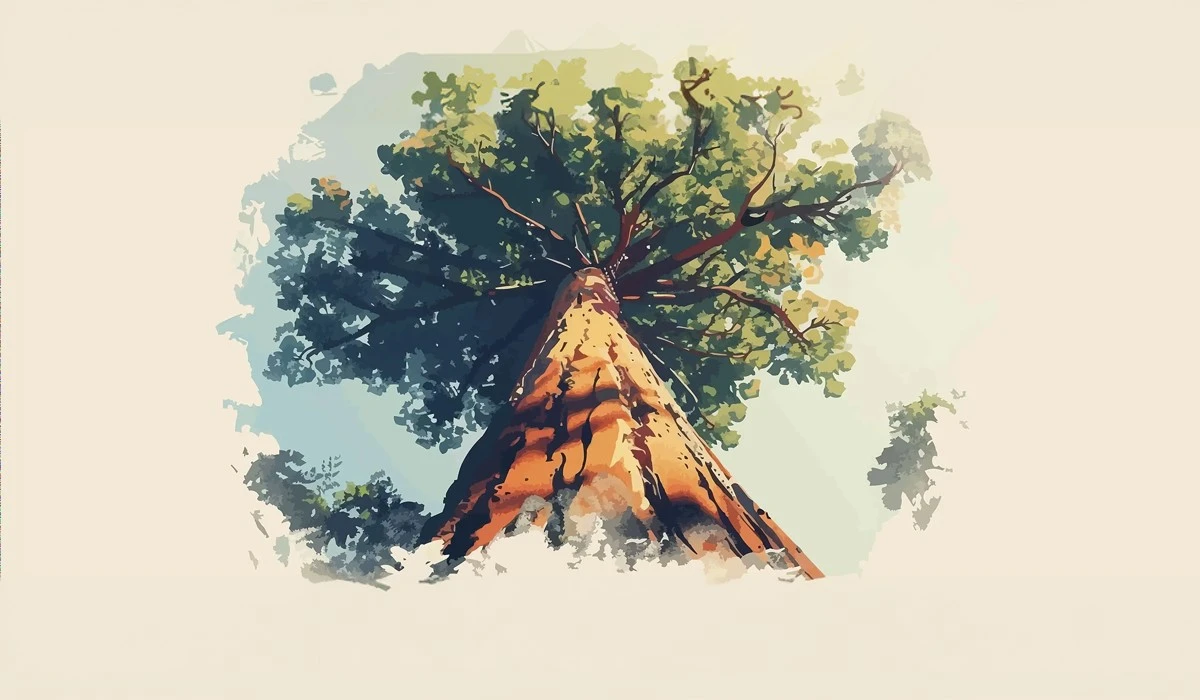
A forest walk usually involves looking at trees, but you are likely ignoring the specific language written in the wood. Ancient people viewed every oak and hazel as a living character in a massive storybook that most of us can no longer read. We treat the woods like a backdrop for photos, yet the Celts saw them as an active communication network. When you learn to decode the notches on stone and bark, nature exists as a highly organized script rather than just a bunch of plants, linking human thought to the rhythm of the soil. This ancient system, known as Ogham And Tree Lore, demonstrates that language and life are essentially identical. If we ignore these signs, we lose the ability to speak with the world around us and sink into a deep spiritual isolation.
The Origins of the Beith-luis-nin Script
The script known as the Beith-luis-nin appeared between the 4th and 6th centuries, marking a massive shift from spoken words to physical records. According to the Institute for Northern Studies, scholars find these inscriptions on roughly 400 stone markers throughout Ireland and Wales, where people carved their history into the very terrain. The research also notes that the In Lebor Ogaim, or the Ogham Tract, provides a detailed look into how these marks functioned as a formal system.
While some think it started as a secret hand language, it eventually became a way to claim land and honor ancestors. You can still visit these stones in counties like Kerry or Cork today. They stand as rugged reminders that the written word was once inseparable from the earth itself. Every stroke carved into the stone edge tells a story of a culture that refused to separate human intellect from the wild growth of the Irish hillsides.
The Druidic Philosophy of Interconnectedness
Druids did not just like trees; they saw them as the ultimate bridge between the heavens and the underworld. As noted in research from Cambridge University Press, the roots reached into the deep past while the branches touched the future possibilities of the sky, creating a link between the heavens and the Underworld. This interconnectedness meant that a tree was a living god with its own specific personality and legal status.
Forestry Focus explains that early Irish law actually protected these nobles of the wood with heavy fines because killing an oak was like killing a community leader, imposing penalties for unauthorized damage such as barking or base-cutting. Using trees as a metaphor for language allowed the Druids to store deeply layered ideas within the familiar shapes of the forest. When they taught their students, they were not just teaching letters; they were teaching how to observe the natural laws that govern growth and decay. This spiritual perspective forms the true heart of Ogham And Tree Lore.
Learning the Art of Celtic alphabet reading
To begin Celtic alphabet reading, you must first find the stem line, which acts like the spine of the message. On ancient stones, the sharp vertical corner of the rock served as this line. You read the notches and strokes relative to that edge. How do you read Ogham script? Ogham is traditionally read vertically from bottom to top or horizontally from left to right. You identify the letter by counting the number of strokes and noting their position relative to the central baseline. For example, a single notch directly on the edge represents the vowel A, while a single stroke to the right represents the letter B. It is a tactile experience that forces you to engage with the material surface. This simple but effective method allowed the Celts to communicate elaborate names and ideas using only straight lines and basic counts.
Phonetics and the Power of Sound
The Institute for Northern Studies further reports that each character in this system is called a feda, which literally translates to trees, and these letters represent specific sounds in the Old Irish language that carry their own unique energetic weight. As the language evolved, the script had to change too. The study notes that by the 8th century, scholars added five extra symbols called forfeda to handle more elaborate sounds and foreign influences.
This shows that the script was a living, breathing tool rather than a static relic. When you speak the names of these letters, you are making sounds that have echoed through the damp forests of Ireland for over a thousand years. Learning the phonetics serves as an act of historical resonance rather than a simple linguistic exercise. You are using your own breath to vibrate the same frequencies that the ancient scholars used to define their world and their place within it.
Invoking the Power of Druidic tree magic
Practicing Druidic tree magic requires an understanding of how different species interact with the elemental forces of nature. For example, the Alder tree is naturally water-resistant and was used to build the foundations of lake dwellings known as crannogs. Because of this, its spiritual energy is tied to protection and the ability to stay grounded during emotional floods. Meanwhile, the Oak is linked to the sun and fire, representing sovereignty and the strength to endure harsh winters. When you align your personal goals with these natural traits, your rituals gain a foundation in physical reality. You are tapping into the documented survival strategies of the plants themselves instead of simply wishing for a result. This approach turns every spell into a partnership with the environment. If you match your intent to the correct wood, you ensure your work follows the natural flow of life.
Charging and Activating the Symbols
Activating a symbol goes beyond the act of drawing a line on a piece of wood. To truly awaken the energy, you must use your breath and focused visualization to bridge the gap between the physical mark and the spiritual concept. Many practitioners hold the carved symbol and chant its name, feeling the vibration move from their throat into the object. This process turns a simple carving into a focused tool for manifestation or protection. Specifically, the power of this work lies in the mental clarity it provides. When you visualize the roots of a tree anchoring your energy, you create a psychological state of stability that allows you to handle stress more effectively. In reality, this technique is a way of training your mind to mimic the resilience of the forest. It transforms abstract thoughts into tangible power through the physical act of focused attention.
The Guardians: Oak, Ash, and Thorn
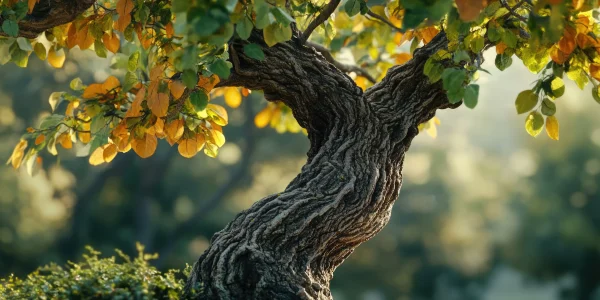
The Big Three of Celtic tradition—Oak, Ash, and Thorn—serve as the heavyweights of the spiritual forest. According to Forestry Focus, early Irish law imposed penalties for any unlawful damage such as branch-cutting or barking, which is why harming an oak could result in a massive fine. Ash connects the different realms of existence, while the Hawthorn (Thorn) acts as the guardian of the boundaries between this world and the next.
What are the 20 Ogham trees?
As noted by the Institute for Northern Studies, the primary Ogham alphabet consists of 20 letters divided into four groups called Aicme, each associated with a specific tree or plant like Birch, Rowan, and Alder. The research also explains that later traditions added a fifth group of five symbols known as the Forfeda. These species were chosen for specific reasons, as they were the most essential plants for physical survival, providing medicine, food, and shelter. Because they sustained physical life, they were naturally seen as the keepers of spiritual life as well in Ogham And Tree Lore.
The Lesser-Known Shrubs and Herbs
Beyond the towering oaks, smaller shrubs and herbs play a vital role in this ancient script. The Reed, for instance, represents the ability to find direction and purpose even in the shifting winds of life. Heather is tied to the pursuit of dreams and the beauty of the wild heaths, while Gorse signifies the returning light and the persistence of life in rocky soil. Druidic tree magic exists in the everyday growth beneath our feet, not only in the grand and the ancient. Each of these smaller plants offers a different perspective on resilience and adaptation. Through the study of the full range of the alphabet, you learn that every part of the ecosystem has a voice. You realize that even the most humble shrub has a specific lesson to teach about surviving and thriving in a world that is constantly changing around us.
Crafting Your Own Ogham Staves
Creating your own set of divination tools is a primary step in deepening your Celtic alphabet reading skills. You should always harvest wood ethically, taking only what has fallen or what the tree can spare without injury. This respectful exchange ensures that your staves, often called fewts, carry a clean and potent energy.
Can Ogham be used for divination?
The Ogham Academy suggests that Ogham staves are used by modern practitioners to seek clarity on life path questions by drawing or casting them onto a cloth. However, as noted by the Order of Bards, Ovates & Druids, historians cannot be certain that the ancient Druids used Ogham for these purposes. As you carve the notches into the wood, you are embedding your own focus into the grain. This physical connection makes the eventual readings much more personal and accurate. It turns the set of staves into a mirror of your own spiritual path, reflecting the lessons you have learned from the trees.
Interpreting the Layouts
Once you have your staves, you can use a simple three-tree spread to gain insight into a specific problem. The first stave represents Fios, or the knowledge of how you arrived at your current situation. The second reveals Fath, the unseen cause or the energy moving through your life right now. The third stave shows Foras, the stable foundation or the likely outcome if you stay on your current path. Interpreting these symbols requires you to look beyond the literal meaning of the words. You must consider the biological habits of the tree and how those habits apply to your human experience. For example, drawing the Willow might suggest you need to be more flexible, while the Yew could signal a need for deep transformation. This method provides a clear, grounded way to analyze your life through the lens of natural wisdom and ancient tradition.
Sigil Craft and Digital Druidry
In our current times, we can adapt these ancient signs to fit our digital lives through the use of bind-oghams. This involves layering several characters onto a single stem line to create a unique symbol for a specific purpose, like focus at work or protection in your home. You can draw these on your notebooks, carve them into small charms, or even use them as a mental visual during meditation. This practice keeps Druidic tree magic relevant and active in a setting that often feels disconnected from the earth. Ironically, the simplicity of the lines makes them perfect for modern design. They allow you to carry a piece of the forest with you into the most sterile office environments. Daily use of these symbols maintains a constant connection to the rhythms of the natural world, even when you are surrounded by concrete and screens.
Seasonal Living and the Celtic Calendar
Following the Celtic calendar allows you to synchronize your studies with the actual growth cycles of the plants. While the idea of a fixed tree month is a more recent invention, the practice of honoring different trees during their peak season is very old. You might focus on the Birch during the early spring when it is the first to leaf out, or the Holly during the dead of winter when its green leaves provide a rare splash of color. This seasonal approach helps you understand the energy of the script on a deeper level because you are observing the physical changes in the world. It turns your spiritual practice into a year-long observation of the earth’s cycles. In reality, this is how the original Druids learned their craft. They did not study in classrooms; they watched the shadows move and the leaves fall, documenting the patterns of life.
Sustainable Harvesting and Conservation
A true student of this path knows that you cannot honor the symbols if you are destroying the source. Sustainability serves as a basic requirement here rather than just a modern buzzword for anyone engaging with the forest. When you enter a wooded area to practice or harvest, you must act as a steward rather than a consumer. This means picking up trash, avoiding the trampling of delicate undergrowth, and ensuring you have permission if you are on private land.
If you must cut a branch, follow the rule of thirds and never take more than the tree can easily regrow. Many people find that leaving a small offering of water or organic compost helps to balance the exchange. Through the protection of the physical health of the trees, you are protecting the integrity of your own practice. You cannot tap into the power of nature if you are actively causing it harm.

Honoring the Ancestral Lineage
Honoring the Gaelic culture that created this script is essential for any modern practitioner. This means taking the time to learn the original Irish names for the trees and researching the actual history of the people who lived among them. It is easy to get lost in modern fantasy, but the reality of the ancient Celts is much more grounded and impressive. When you approach Ogham And Tree Lore with humility, you acknowledge that you are a guest in a very old tradition. This respect creates a deeper connection to the lineage of wisdom that has survived through centuries of change. Through the study of historical context, you avoid the trap of superficiality and build a practice that has real roots. You are participating in a cultural heritage rather than simply using an alphabet that values the deep, enduring relationship between human beings and the spirits of the land.
Embracing the Wisdom of Ogham And Tree Lore
Entering the world of ancient scripts serves as more than a hobby, representing a total shift in how you perceive the environment. You stop seeing a wall of green and start seeing a community of individuals, each with a name and a story to tell. Celtic alphabet reading offers a way to slow down and listen to the subtle cues that modern life tries to drown out. As you learn the strokes and the meanings, you find that your own life begins to align with the steady, patient growth of the forest. This exploration into Druidic tree magic provides the tools you need to find clarity amidst a chaotic world. If you look back at these ancient traditions, you gain a new perspective on the future. The forest is still speaking to those who have the patience to learn its grammar, inviting everyone to reconnect with Ogham And Tree Lore.
Recently Added
Categories
- Arts And Humanities
- Blog
- Business And Management
- Criminology
- Education
- Environment And Conservation
- Farming And Animal Care
- Geopolitics
- Lifestyle And Beauty
- Medicine And Science
- Mental Health
- Nutrition And Diet
- Religion And Spirituality
- Social Care And Health
- Sport And Fitness
- Technology
- Uncategorized
- Videos

