
Molecular and Cell Biology: Your Body’s Builders
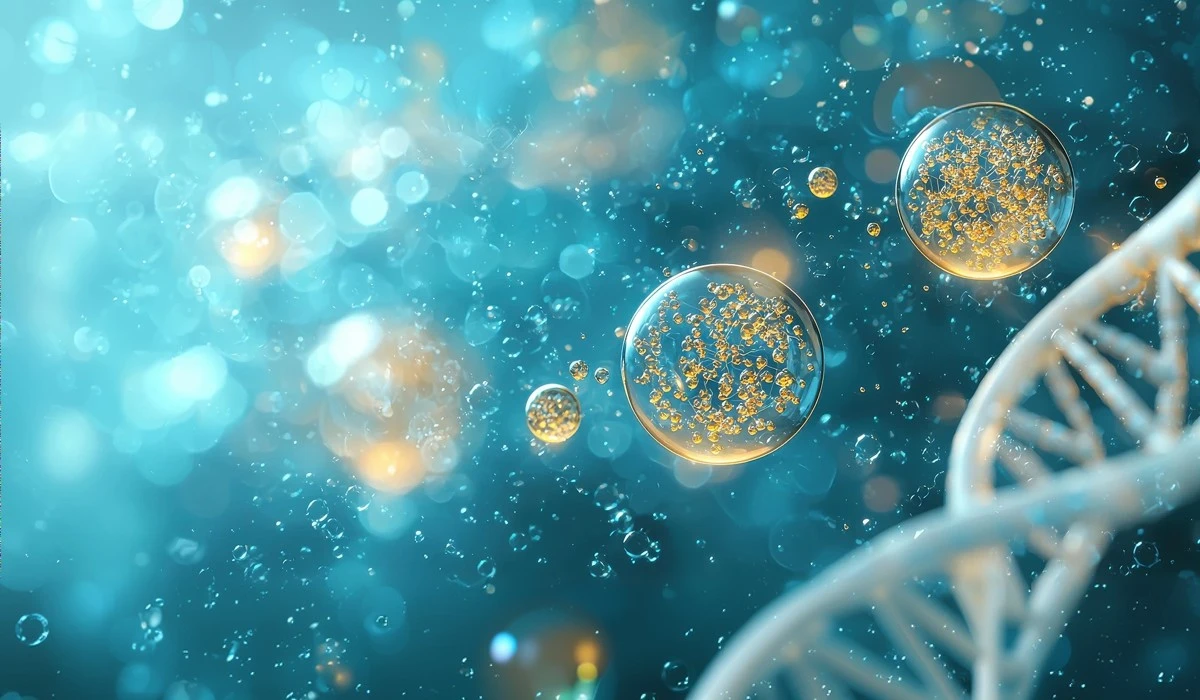
Every second, your body builds trillions of tiny structures. You do not feel it, but your cells work harder than any skyscraper construction crew. Think of your body as a massive city where everyone follows a specific set of rules. When these rules break down, things go wrong. Most people focus on calories or exercise, but the real action happens in spaces so small that a million of them fit on a pinhead. This is where Molecular And Cell Biology comes in to save the day. Scientists study these small parts to understand how we stay alive and healthy. They look at Molecular gene expression to see how your DNA sends messages. Then they watch Cellular protein synthesis as your body builds new tissues and repairs damage. This internal work keeps your heart beating and your brain thinking clearly every single day.
From DNA to mRNA: The Transcription Process
Transcription is the first step in the big plan of life. According to reports from the NCBI, this process begins at the TATA box, which is typically found 25 nucleotides upstream from the transcription start site. Inside the center of your cell, a protein called RNA polymerase acts like a scanner. The reports explain that as soon as this scanner has produced about 25 nucleotides of RNA, the 5′ end of the new molecule is modified with the addition of a protective cap.
Once it starts, the scanner makes a copy of the genetic code into a new molecule called mRNA. This molecule is a mobile version of the instructions that can leave the protected center of the cell. Before it leaves, the cell also adds a poly(A) tail to the end of the strand, which the researchers note provides essential stability to the mRNA. These additions prevent the message from getting destroyed by enzymes while it travels. This process ensures that the right information reaches the construction site without any errors or losses during the trip through the cell.
Epigenetic Regulation: The Volume Knob of Life
Your body has thousands of genes. It uses only some of them at any given time. It turns them up or down depending on what you need. Things like the food you eat or the stress you feel act like switches for your DNA. Scientists call this control epigenetics. It changes how much of a protein your body makes without changing the DNA itself. How does gene expression affect cell function? According to research published in PubMed and PMC, Molecular gene expression determines if a cell becomes muscle or bone.
The studies show that changes in the fate of muscle stem cells are driven by gene expression changes, while a specific gene-expression process manages the differentiation into bone-building cells. If the cell receives the wrong messages, it might stop doing its job correctly. Studying these changes helps us understand how to stay healthy as we get older. We now know that healthy habits literally signal your genes to build a stronger and much more resilient body.
Ribosomes: The Heavy Tools of the Cell
Once the mRNA message arrives at the job site, the ribosomes take over. As detailed in the NCBI book "The Cell," these are large structures made of two parts that lock together around the mRNA strand. The text explains that each amino acid is specified by a three-base code called a codon, which the ribosomes read in groups of three letters at a time. The process uses tRNAs as adaptors to add every amino acid in the correct sequence.
This process consumes about 70 percent of all the energy in your cell. It is the most expensive thing your body does every day. Because it costs so much, your body only builds what it truly needs. The ribosome acts as the lead builder that links amino acids together in a long chain. Without these busy workers, your body would stop growing and repairing itself. This constant construction project is the core of what keeps every living thing active and functional.
The Role of tRNA in Precision Engineering
The ribosome needs materials to build proteins, and that is where tRNA comes in. These molecules act like delivery trucks that bring specific amino acids to the assembly line. Each tRNA molecule has a special key that must match the code on the mRNA strand. If the key does not match, the delivery truck moves on. This ensures that every protein has the exact sequence of amino acids required for its shape. Molecular And Cell Biology researchers use advanced microscopes to watch this happen in real time. They see these delivery trucks moving at high speeds to keep the production line moving. This precision engineering prevents the cell from making useless or dangerous structures. Every delivery must be perfect to ensure the resulting protein can perform its specific task within your body effectively.
How Molecular And Cell Biology Protects Proteostasis
A long chain of amino acids is not yet a working protein. It must fold into a very specific 3D shape to do its job. This is where chaperone proteins enter the picture. These helpers guide the new protein chain as it twists and turns. They prevent the sticky parts of the chain from clumping together in the wrong way. Some chaperones simply hold the chain steady while others use energy to force it into the right shape. Within the field of Molecular And Cell Biology, we call this system quality control. If a protein folds incorrectly, it becomes waste that can harm the cell. The chaperones make sure that every piece of equipment leaving the factory is ready for work. This step is vital for maintaining a healthy and clean cellular environment.
Identifying Faulty Blueprints and Assembly Errors
Sometimes the instructions or the building process have mistakes. These errors lead to a buildup of junk proteins that the cell cannot use. What happens when Molecular gene expression goes wrong? Errors in this process lead to misfolded proteins that stick together and cause brain diseases like Alzheimer's. When too many bad proteins pile up, they act like a clog in a drain. This prevents the cell from getting nutrients or sending signals. Your body has a system to find and destroy these broken parts, but sometimes the system gets overwhelmed. When scientists understand these failures, they find ways to help the cell clean itself out. Keeping the production line running smoothly is the secret to avoiding many of the health problems that come with aging and chronic stress.
Environmental Stressors and Ribosomal Stall
External forces like heat, toxins, or radiation can slow down the production line. When a ribosome hits a damaged spot on the mRNA, it stops moving entirely. This is called a ribosomal stall. If too many ribosomes stop, they crash into each other like cars in a pile-up. This crash sends a signal to the cell that something is very wrong. The cell then stops all Cellular protein synthesis to save energy and fix the damage. This protective pause helps the cell survive a difficult situation. However, if the stress lasts too long, the cell might decide to shut down forever. Scientists study these stalls to understand why certain chemicals make us sick. Learning to prevent these crashes could lead to new ways to protect our bodies from environmental harm.
Viral Hijacking of the Protein Factory
Viruses are experts at taking over the cell's equipment. According to research in PMC, many viruses cause a phenomenon called "host shut-off" where they globally interfere with the way host cells translate mRNA. The study also suggests that virus-encoded functions dominate the signaling pathways that manage host Cellular protein synthesis. This forces the cell to build thousands of new viruses instead of the proteins you need to stay healthy. This hijacking happens so fast that your cell often does not realize it is working for the enemy until it is too late. The virus essentially turns your own factory against you. When researchers study how viruses steal the equipment, they develop new medicines that block the virus from getting a turn at the assembly line. This helps your body regain control.
Advancing Therapeutic Health via Molecular And Cell Biology
We now have the power to send our own instructions into the cell. This is the big idea behind mRNA vaccines and therapies. Instead of using a weak virus, doctors inject a tiny piece of code that tells your cells to build a specific protein. This protein then trains your immune system to recognize a real threat. This process uses the natural system of Molecular gene expression to keep you safe. Scientists use a special version of the mRNA code that lasts longer and does not cause unwanted swelling. This advancement means we can now teach our bodies to fight cancer or rare genetic diseases. It turns our own cells into a pharmacy that makes exactly what we need. This technology represents one of the biggest jumps in medical history for human health.
CRISPR and the Future of Gene Editing
CRISPR is a tool that allows scientists to edit DNA like a word processor. It can find a single mistake in a genetic code of billions of letters. Once it finds the error, it cuts the DNA and allows the cell to repair it with the correct information. This happens long before the stage of Cellular protein synthesis begins. When we fix the root cause of a disease, we prevent symptoms from ever appearing. This technology helps people with blood disorders and vision loss. It acts as a permanent fix for the instructions that the cell uses every day. While it is still a new field, the potential for curing lifelong illnesses is huge. We are moving toward a future where a genetic typo no longer means a lifetime of health problems for a patient.
Nutrient Signaling and the mTOR Pathway
The food you eat tells your cells when to grow and when to rest. According to PMC and PubMed, a protein called mTORC1 serves as the primary switch for this process because it manages the protein synthesis required for cell growth. The studies explain that amino acids regulate the signaling through the mTOR pathway. When you eat protein, especially amino acids like leucine, mTOR turns on.
Research in PubMed indicates that leucine is the most effective single amino acid for this task, as it helps activate protein translation through the mTOR system. If you go without food for a while, mTOR turns off to conserve energy. This balance is vital for long-term health. Constant growth can lead to problems, while never growing leads to weakness. Why is molecular biology important in medicine? It helps doctors design diets and medicines that keep the mTOR switch in the perfect position for your specific needs. When you balance your nutrition, you help your body's factory run at the most productive speed for your age and goals.
Autophagy: The Cell’s Recycling Program
When your cells stop building new things, they start cleaning up the old ones. This process is called autophagy. According to articles in PMC, this is a lysosome-based recycling process used to eliminate damaged parts and recycle cellular components into building blocks. The articles explain that inside the lysosome, material breaks down into metabolites that can be recycled as units for new construction. This recycling keeps your cells young and functional. Molecular And Cell Biology shows us that fasting or exercise can start this deep cleaning process. As noted in the Harvard Gazette, researchers have found that vigorous exercise, fasting, and hormones improve the elimination of toxic, misfolded, or unnecessary proteins in mouse and human cells. Encouraging autophagy helps prevent the buildup of toxic proteins that cause disease. It is one of the most powerful natural tools your body has to stay healthy for many decades.
Synthetic Biology and Custom Proteomics
Scientists are now moving beyond just fixing old proteins. They are starting to design entirely new ones that do not exist in nature. This field is known as synthetic biology. Researchers use computers to plan the amino acid sequence and then watch the Molecular gene expression bring it to life. These custom proteins could eat plastic in the ocean or target cancer cells with extreme precision. We are no longer limited by the blueprints we were born with. This change allows us to solve environmental and medical problems in ways we never thought possible before. When we understand the rules of the cell, we create tools that make the world cleaner and people stronger. The ability to write our own biological software opens a whole new chapter for human progress.
AI-Driven Protein Folding Predictions
Predicting how a protein folds used to take years of laboratory work. Now, artificial intelligence can do it in seconds. According to research published in Nature, the AlphaFold network predicts the 3D structure of a protein based on its amino acid sequence. This knowledge helps scientists understand how Cellular protein synthesis creates the shapes that run our bodies. When we know the shape of a protein, we can design drugs that fit into it like a key in a lock. This speeds up the creation of new medicines by many years.
Reports in Nature also show that AI covers almost 98.5% of the human proteome and has mapped structures for more than 200 million proteins. It removes the guesswork from medical research and allows for faster advancements. This combination of computer science and biology is the most powerful tool we have for fighting future pandemics and solving the mysteries of the human body.
The Vital Future of Molecular And Cell Biology
Understanding how your body builds itself at the smallest level is the key to a long life. We have seen how Molecular gene expression sets the plan and how your cells follow through with construction. Every heartbeat and every thought depends on this quiet work happening inside you. When we support these processes through good nutrition, exercise, and modern medicine, we thrive. Molecular And Cell Biology provides the map we need to navigate the complications of our own health. As science moves forward, we will gain even more control over these tiny systems to prevent disease and increase our strength. The future of medicine focuses on learning the art of biological construction rather than only treating symptoms. When we keep our cellular factories running smoothly, we access the full potential of the human body for generations to come.
Recently Added
Categories
- Arts And Humanities
- Blog
- Business And Management
- Criminology
- Education
- Environment And Conservation
- Farming And Animal Care
- Geopolitics
- Lifestyle And Beauty
- Medicine And Science
- Mental Health
- Nutrition And Diet
- Religion And Spirituality
- Social Care And Health
- Sport And Fitness
- Technology
- Uncategorized
- Videos

