
Erase Joint Stiffness Today With Balneotherapy
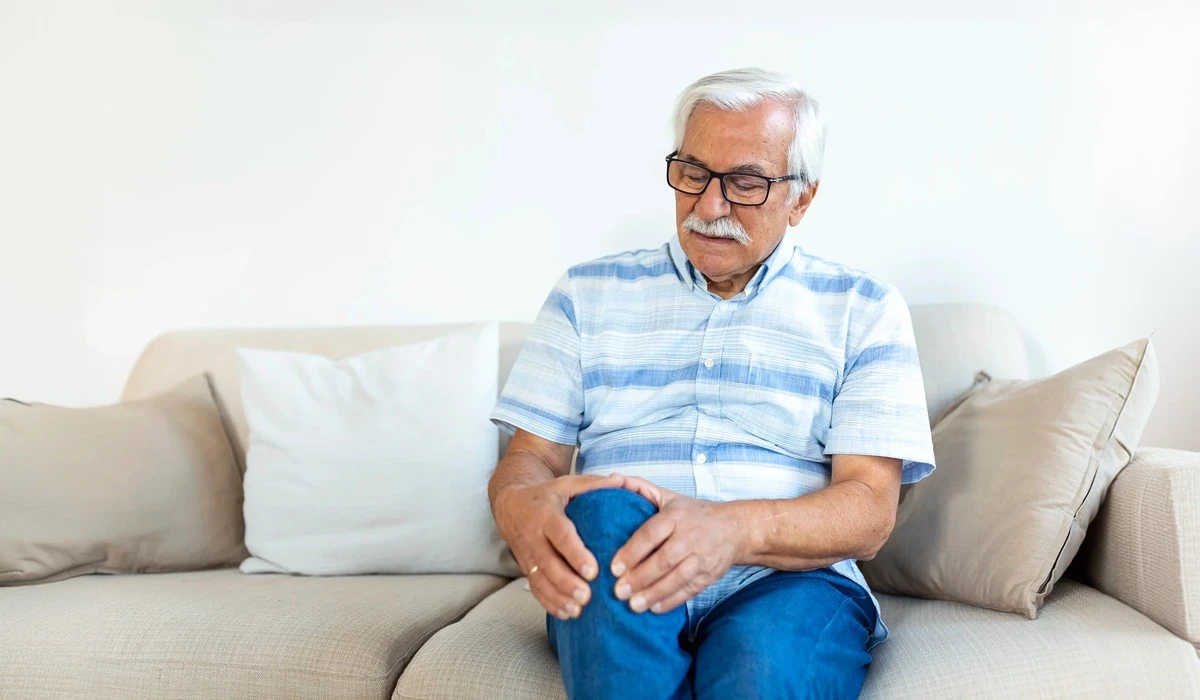
When you step into a hot bath, your skin feels the heat immediately. But something deeper happens when that water carries specific minerals from deep underground. Your body stops fighting the gravity that usually grinds your bones together. For someone with arthritis, every movement usually feels like sandpaper rubbing on raw wood.
Balneotherapy changes this physical reality by altering how your nerves send signals and how your blood moves. It uses natural thermal waters to penetrate the skin and calm the fires of inflammation. According to a report published in the Annals of Agricultural and Environmental Medicine, spa treatments demonstrate proven effectiveness in easing osteoarthritis pain, decreasing stiffness, and elevating functional status. Recognizing how mineral-rich water interacts with your joints provides a clear path toward a life with less pain.
The biological effect of Balneotherapy on joint tissue
When you submerge your body in warm water, your blood vessels widen instantly. This process, called vasodilation, sends a rush of fresh, oxygen-rich blood directly to your joints. For an arthritic knee or hip, this surge of blood carries the nutrients needed to repair damaged connective tissue and cartilage. Warmth also relaxes the muscles surrounding your bones. Tight muscles pull on sensitive joints and increase your daily pain. When heat loosens these muscle fibers, it allows your body to rest in a neutral position.
Temperature and vasodilation
Heat increases peripheral blood flow by 25% to 50%. This helps the body clear out metabolic waste products like lactic acid from inflamed muscle groups. Keeping the water in a thermoneutral range, between 34°C and 36°C, relaxes the body without overstressing the heart. This specific temperature range allows for the best therapeutic results during a soak.
Hydrostatic pressure and edema reduction
Water also exerts physical force on your skin. As noted in the Archives of the Turkish Society of Cardiology, the weight of a one-meter water column generates roughly 73.5 mm Hg of pressure on your limbs. This pressure pushes excess fluid away from your swollen joints and back into your lymphatic system. You see the results when the puffiness in your ankles or fingers goes down after a soak. This reduction in swelling directly lowers the pressure on your nerves, which reduces the sharp pains of arthritis.
Why mineral bath healing surpasses standard heat therapy
Standard tap water only provides heat. According to the Annals of Agricultural and Environmental Medicine, hydrotherapy’s healing power stems from a combination of mechanical, thermal, and chemical factors, meaning mineral bath healing goes further because it delivers chemical relief through your skin. Furthermore, research published in the Balneo Research Journal explains that therapeutic waters contain active elements like sulfur, magnesium, and bicarbonates, including hormetic gaseous molecules that actively penetrate the skin during a soak.
The transdermal absorption of sulfur and magnesium
Sulfur acts as a natural pain blocker. For a bath to work medically, the water must contain at least 1 mg of hydrogen sulfide per liter. This mineral penetrates the skin and reaches the joint lining to stop the cells from producing waste that causes swelling. The same Balneo Research Journal study highlights that hydrogen sulfide gas is highly lipophilic, permitting its free penetration into biological membranes so it easily passes through the skin barrier to reach the deeper tissues where arthritis does the most damage.
Chemical interactions with the immune system
Magnesium-rich springs act as natural blocks for pain receptors in your nervous system. Is mineral water better for joints than tap water? High-quality mineral water contains elements like sulfur and bicarbonate that actively reduce systemic inflammation, whereas tap water only provides temporary heat relief. Mineral bath healing also initiates the release of beta-endorphins. These are your body's natural painkillers, and they provide an analgesic effect similar to mild medication without the side effects.
Utilizing thermal spring wellness for structural mobility
Arthritis creates a heavy burden on your frame. Gravity constantly pushes your bones together, causing friction and pain. When you enter a pool for thermal spring wellness, buoyancy changes everything. The upward force of the water supports your weight and allows your joints to breathe for the first time in years.
Applying buoyancy for joint decompression
Archimedes’ principle states that water pushes upward against your weight. In a pool filled to your neck, your effective body weight drops by 90%. This sudden lightness takes the pressure off your spine and knees. It creates a window of time where you can move without the usual grinding sensation. Decompressing the joints in this way allows the cartilage to absorb fluid and nutrients more effectively.
Active movement in mineral-rich environments
Does balneotherapy help with rheumatoid arthritis? Research indicates that regular sessions significantly lower the disease activity score and morning stiffness in rheumatoid patients since it calms the autoimmune response. Moving your joints while they feel weightless helps you maintain your range of motion. Gentle leg lifts or arm circles in the water keep your joints lubricated and functional. This type of exercise builds strength without the high-impact stress of walking on hard ground.
Clinical evidence supporting Balneotherapy as a primary treatment
According to a review in the International Journal of Biometeorology, bathing in water as a spa therapy has been widely utilized in classical medicine as a cure for diseases, with scientists spending decades testing how Balneotherapy stacks up against traditional methods. One widely cited study by Dr. Romain Forestier, indexed in PubMed, tracked patients with knee osteoarthritis. After three weeks of consistent soaking in spa therapy, the research indicates these patients experienced significant trends of improvement in their pain and mobility scores. This data proves that water-based treatment offers real, measurable results for those suffering from chronic joint decay.
Findings on osteoarthritis of the knee and hip
The relief from these treatments lasts long after you dry off. Research published in Frontiers in Medicine confirms that balneotherapy reduces pain and stiffness while improving motor function, with some effects lasting up to six months after completing a treatment cycle. This long-term relief happens because the minerals and heat change how your body handles inflammation at a cellular level. A study from ScienceDirect demonstrates that mud-bath therapy decreases serum levels of Interleukin-1β and Tumour Necrosis Factor-α, meaning it lowers the levels of pro-inflammatory cytokines that cause cartilage to break down over time.
Improving quality of life and sleep
Better physical health leads to better mental health. When your joints stop throbbing, your body finally relaxes. This relaxation helps you fall into a deeper sleep, allowing your body to recover even more during the night. Patients who use thermal spring wellness often report a significant decrease in their need for daily pain medications. This reduction in drug use leads to fewer stomach issues and better overall vitality.
Establishing a personalized routine for long-term relief
To get the best results, you need a consistent plan. A single soak feels good, but long-term change requires a routine. Most clinical programs suggest a specific timeframe for each session to maximize mineral absorption without exhausting the body. Building a habit around your soaks ensures that your joints stay lubricated and your inflammation stays low.
Determining ideal session frequency and duration
How often should you do balneotherapy for arthritis? For chronic joint pain, most clinical studies recommend 20-minute sessions at least three to five times per week to maintain anti-inflammatory benefits. As noted in Frontiers in Physiology, prolonged hot bathing warrants caution due to the risks of hyperthermia, dehydration, dizziness, and exhaustion, meaning staying in the water for too long can cause fatigue, while too short a soak prevents the minerals from penetrating the skin.
Identifying the best mineral compositions for your needs
Choosing the right spring also matters. Saline springs help with skin and joint issues simultaneously. Sulfur springs work best for deep internal inflammation and stiff joints. Research in the PubMed Central database indicates that transcutaneous CO2 applications facilitate oxygen dissociation from hemoglobin in vivo, meaning carbonated springs increase oxygen flow to your tissues by releasing CO2 onto your skin. This Bohr effect helps heal damaged areas faster because it floods them with fresh oxygen. Identifying the specific minerals in your local springs helps you target your exact symptoms.
Safety protocols and contraindications for Balneotherapy
Safety remains a priority when using heat as medicine. While thermal water heals, it also puts stress on your heart. Your heart must pump faster to move blood to your skin to cool you down. Recognizing your body's limits ensures that you get the benefits of thermal spring wellness without any risks to your cardiovascular health.
Monitoring cardiovascular response to heat
According to Harvard Health Publishing, people with poorly controlled high blood pressure, unstable chest pain, or other serious heart issues should avoid excessive heat exposure, so individuals with hypertension must exercise caution. If you have a heart condition, consult your doctor before entering high-temperature facilities. Checking your pulse and staying within a comfortable temperature range prevents unnecessary strain. The same Harvard Health article warns that excessively hot water can cause blood pressure to dip too low, so if you feel dizzy or lightheaded, exit the water slowly and sit down. Your safety is more important than finishing the full session.
Hydration and post-soak recovery

Heat also causes you to sweat, even if you do not notice it in the water. This loss of fluid can lead to dehydration. Furthermore, Harvard Health advises individuals to replenish fluids lost from sweating, meaning you should drink a full glass of water before and after your soak to keep your body hydrated. Resting for twenty minutes after your bath allows your blood pressure to return to normal levels safely. This cooling-down period is just as important as the soak itself for lasting health.
Reclaiming your active life through Balneotherapy
Balneotherapy serves as a bridge between traditional medicine and natural recovery. While arthritis is a chronic condition, the consistent use of mineral bath healing and thermal spring wellness can significantly restore your freedom of movement. You do not have to accept a life of limited mobility and constant discomfort.
Using the power of minerals and thermal heat allows you to take control of your health. Each session in the water builds toward a future where you can walk, climb, and move with ease. Start your path toward relief by finding a local spring or creating a mineral-rich routine at home. Taking that first step into the water is the first step toward reclaiming the joy of a pain-free life.
Recently Added
Categories
- Arts And Humanities
- Blog
- Business And Management
- Criminology
- Education
- Environment And Conservation
- Farming And Animal Care
- Geopolitics
- Lifestyle And Beauty
- Medicine And Science
- Mental Health
- Nutrition And Diet
- Religion And Spirituality
- Social Care And Health
- Sport And Fitness
- Technology
- Uncategorized
- Videos

