
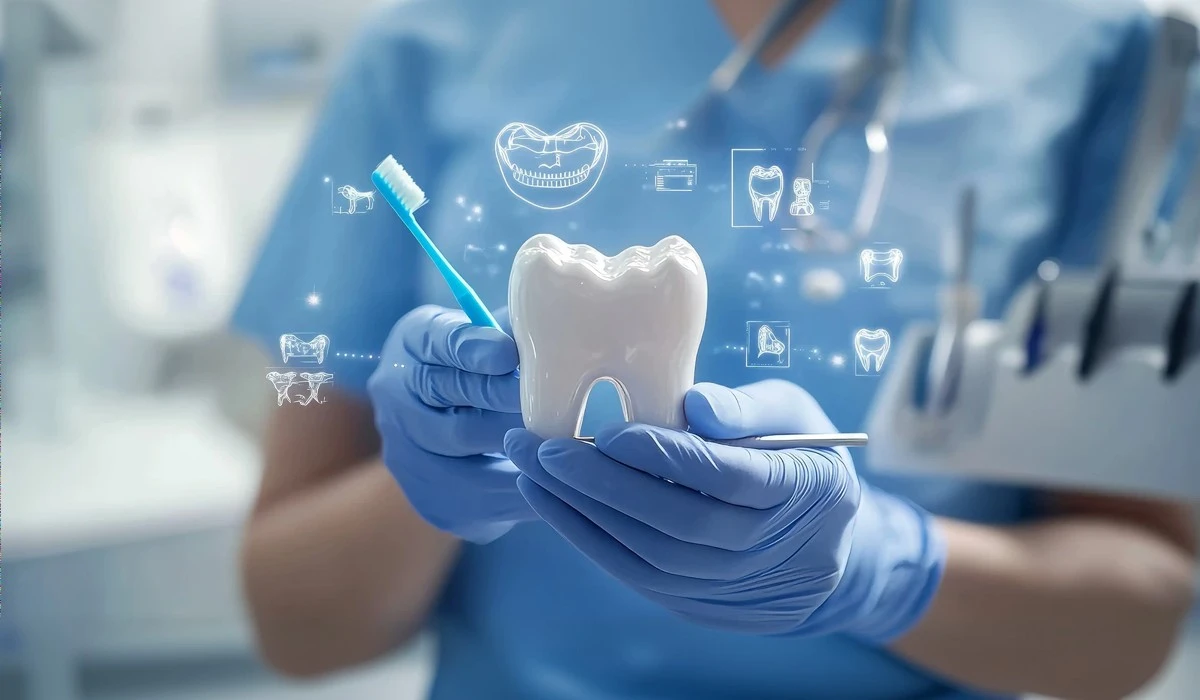
Enhancing Composites In Dental Materials Science
When patients sit in the dental chair today, they fully expect their new tooth to survive decades of brutal, everyday grinding. Back in the 1950s, dentists relied heavily on unfilled acrylics mixed with methyl methacrylate. Those early materials suffered from a massive thermal expansion mismatch with the natural tooth. They frequently shrank, leaked, and caused severe pulpal toxicity.
According to a paper published in ScienceDirect, the field of dentistry shifted completely when the concept of utilizing orthophosphoric acid to etch enamel surfaces was first brought forward by Dr. Michael Buonocore in 1955. He used phosphoric acid to mechanically lock acrylics directly to the enamel. This single innovation forcefully opened the door for modern bonded restorations. Ongoing, modern breakthroughs in Dental Materials Science now translate directly to unprecedented clinical success and tooth longevity. The ongoing evolution of composite resins clearly stands as the star of this specific change. We can now explore the physical micro-mechanics driving these modern smiles forward.
How Dental Materials Science Redefines Structural Integrity
According to research found in the PMC database, Dr. Rafael Bowen significantly altered the structural integrity of dental composites in 1962 through his discovery of bisphenol A glycerolate dimethacrylate, commonly known as Bis-GMA. As detailed in US Patent 3,066,112, this invention merged the reaction product of a bis-phenol and glycidyl methacrylate with vinyl silane-treated fused silica. The introduction of this massive molecular structure essentially solved the glaring mechanical limitations of early-generation materials. The new Bis-GMA possessed a molecular weight of 512 grams per mole.
Older methyl methacrylate materials only reached 100 grams per mole. This significant increase allowed the new resin to form a highly durable, cross-linked thermoset polymer network. Dentists finally had access to a base resin that drastically reduced polymerization shrinkage. Manipulating this strong chemistry translates directly to long-lasting structural integrity for everyday clinical restorations. A ScienceDirect report notes that modern composite resins still heavily depend on this core engineering to withstand extreme bite forces, with over seventy percent of commercial options utilizing bis-GMA as their primary monomer.
The Micro-Mechanics of Load-Bearing Restorations
Modern dental manufacturing incorporates spherical silica nanoparticles to lower resin viscosity and improve handling. Chemists synthesize these tiny particles using the Stöber method, producing spheres roughly 0.50 micrometers in size. This precise engineering enables the maximum filler loading to safely increase from 72 percent to 80 percent by weight. The combination of coarse and fine glass fractions into bimodal systems maximizes the overall durability of the material. This specific optimization yields flexural strengths reaching 129 megapascals. Interestingly, fracture toughness does not increase indefinitely from simply packing in more filler particles. The physical strength actually maxes out at a precise threshold of approximately fifty-five percent filler by volume. Grasping this exact balance empowers Dental Materials Science professionals to formulate remarkably resilient fillings. They carefully balance compressive strength and flexibility to prevent catastrophic failures under constant, heavy chewing pressure.
Why Composite Fillings Break and How They’re Strengthened
When discussing these mechanical limits, patients often wonder, why do composite fillings break? They usually fracture because of cumulative fatigue from biting forces or micro-leakage caused by shrinkage stress. Modern filler-loading techniques specifically block these exact fracture pathways during daily use. Heat-treated hybrid fillers actively prevent the filler particles from delaminating away from the surrounding polymer structure. This firm bond stops microscopic cracks from spreading through the body of the restoration. Dental professionals rely on this advanced particle distribution to manage the constant mechanical stress generated by grinding teeth. The improved flexural modulus guarantees the filling will bend slightly rather than shattering instantly under pressure. These ongoing improvements highlight how deeply researchers analyze microscopic forces to deliver reliable clinical outcomes. A carefully engineered tooth restoration provides patients with functional confidence and true peace of mind.
Balancing Unyielding Strength with Biomaterial Biocompatibility
Making a dental material rock-hard proves clinically useless if it causes an adverse biological reaction inside the tooth. Research published in PMC indicates that unpolymerized hydrophilic monomers like triethylene glycol dimethacrylate naturally leach into the pulp from incomplete cures. The study also shows that these unbonded chemicals are toxic to dental pulp fibroblasts, as they lower viability and diminish intracellular glutathione formation. This rapid chemical leaching actively initiates severe cytotoxicity and painful inflammation for the patient. Guaranteeing biomaterial biocompatibility requires achieving exceptionally high monomer conversion rates during the light-curing process.
Researchers run intensive flow cytometry tests using human fibroblasts to verify this exact safety threshold. They found that composite cytotoxicity drops significantly after seven days of incubation as the conversion degree finally stabilizes. Ensuring safety therefore demands precise clinical execution alongside superior chemical engineering. Dentists must deliver adequate light energy to complete the chemical reaction and protect the living tooth completely.
Oxygen Inhibition and Composite Safety
Free-radical air inhibition heavily restricts the monomer conversion rate exactly at the outer surface of the filling. Oxygen physically blocks the molecules from linking together, leaving a thin layer of uncured, highly toxic resin. Strict clinical isolation protocols prevent saliva contamination and address this dangerous oxygen inhibition layer immediately. This multidisciplinary approach in Dental Materials Science remains strictly required to protect the living tooth pulp effectively. Developers constantly tweak their formulas to balance unyielding physical toughness with ideal biological tissue responses. They aim to create restorative materials that the human immune system completely ignores. A highly successful composite seamlessly integrates into the oral cavity without provoking any localized immune defense responses. Prioritizing rigorous laboratory safety testing allows dental engineers to confidently provide materials that heal rather than harm. Patients ultimately receive remarkably safe and enduring dental treatments.
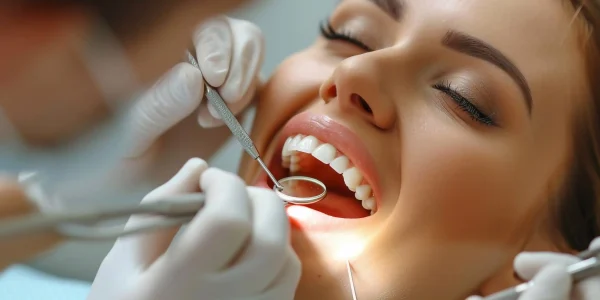
Innovations in Dental Materials Science for Wear Resistance
Modern nanohybrid composites incorporate ultra-fine nanoparticles ranging specifically from 0.005 to 0.04 micrometers in diameter. These incredibly small additions improve abrasion and functional mass wear resistance by approximately fifteen percent over traditional macrofillers. Researchers aggressively test mastication resistance using specialized thermocycler chewing simulators in controlled laboratory environments. These advanced machines apply cyclic loads against steatite balls for exactly 240,000 back-to-back cycles. This demanding process precisely mimics one full year of vigorous in vivo grinding to measure attrition volume loss. According to strict American Dental Association guidelines, acceptable tooth-colored posterior materials must perform flawlessly. A PubMed publication states that acceptable tooth-colored posterior composite resins must exhibit an occlusal wear depth of less than one hundred micrometers after three full years of use. Formulators constantly refine these hybrid filler technologies to ensure fillings survive the daily impact of chewing without damaging the opposing natural enamel.
Composite Fillings: Longevity and Failure Factors
Looking at the long-term outlook of these restorations, you might be asking, how long do composite resin fillings last? Today’s advanced fillings typically last between 7 to 10 years, though exceptional oral hygiene and superior material selection can extend that lifespan considerably. When these durable restorations eventually fail long-term, dentists rarely blame the physical breakdown of the biomaterial itself.
A study from ScienceDirect points out that secondary caries forming around the delicate margins are a leading cause of composite failure and are associated with the restorative material itself, typically causing the restoration to fail long before the material degrades. Advanced hybrid filler technologies directly make this extended timeline a reliable clinical reality. Maintaining an incredibly smooth surface polish over time allows nanohybrid materials to actively prevent destructive plaque accumulation. This specific chemical engineering essentially protects the fragile margin from acidic bacterial attacks. Dental Materials Science consistently elevates these surface-level defenses to maximize both aesthetic appeal and practical longevity for everyday dental patients worldwide.
Conquering Polymerization Shrinkage Stress
Traditional methacrylate-based composite resins consistently exhibit a problematic volumetric shrinkage ranging from two to four percent. This physical contraction generates severe internal stress pulling against the tooth surface. The rapidly curing material can create up to seven megapascals of contraction stress. This extreme tension violently tears the fragile dentin bond and inevitably causes microscopic marginal leakage. Dentists historically mitigated this stress through the painstaking method of curing the filling in tiny two-millimeter increments. A major leap in Dental Materials Science successfully introduced silorane monomers to solve this exact issue. Built on a unique hydrophobic siloxane and oxirane backbone, these advanced molecules rely on cationic ring-opening polymerization. Instead of snapping together tightly, the molecular rings physically open and expand as they link. This brilliant chemical reaction drops total volumetric shrinkage to an incredibly safe and manageable one percent.
Low-Shrinkage Composites Improve Bulk-Fill Safety
Silorane chemistry substantially lowers post-gel shrinkage and decreases the elastic modulus of the filling. This innovative adaptation drops the overall polymerization stress down to roughly two megapascals. Lowering this tension makes placing deep bulk-fill increments significantly safer for the living tooth.
According to a ScienceDirect study, researchers also achieved massive success with the utilization of modified urethane dimethacrylate monomers like DX-511, which possess double the molecular weight of conventional monomers to effectively minimize polymerization shrinkage. These high-molecular-weight additions drastically lower the double-bond concentration inside the active resin pool. Spacing out the chemical connections allows the entire material to cure thoroughly without violently contracting inward. Dentists can now confidently cure a four-millimeter layer of composite rapidly without compromising the vital dentin bond underneath. These targeted structural adaptations highlight the extraordinary effect of modern laboratory research on daily clinical workflows. Safely filling large cavities in one simple step dramatically improves patient comfort and clinical speed.
The Biological Integration of Modern Adhesives
Even the absolute strongest restorative material will fail catastrophically without a durable, biologically sound bond anchoring it down. In 1981, the Kuraray company changed adhesive dentistry immensely through the introduction of 10-MDP. This highly acidic functional monomer effectively solubilizes the dense smear layer covering the prepared tooth. Simultaneously, it creates a direct chemical bond with the calcium found naturally in human hydroxyapatite. The resulting interaction yields highly stable, water-insoluble salts that self-assemble into incredible submicron nano-layers. These dense layers measure approximately 3.5 nanometers thick directly within the newly formed dentin hybrid zone. Optimal biomaterial biocompatibility and bond longevity directly depend on this specific chemical interaction holding strong against salivary moisture. These specialized salts physically shield the fragile dentin layer from structural decay over time. The adhesive safely merges artificial chemistry with the living biological tooth structure.
Safe and Biocompatible Composite Fillings
When considering these advanced chemical bonds deep within the tooth, a common concern arises: are composite fillings safe for health? Yes, they are rigorously tested and highly stable, ensuring they restore the tooth without leaching harmful toxins into the body. Once fully polymerized, these tightly bonded materials act in complete harmony with the dentin beneath it. The specific 10-MDP calcium salts directly inhibit endogenous metalloproteinases and harmful cysteine cathepsins. Blocking these destructive biological enzymes physically protects the exposed collagen fibrils from natural degradation. Biomimetic remineralization strategies utilizing neutral salts actually stabilize the adhesive-dentin boundary completely rather than releasing unwanted elements. Dental Materials Science rigorously enforces these strict safety requirements during every phase of laboratory testing. Linking exceptional mechanical adhesion with proven physiological safety clearly demonstrates the incredible value of rigorous biomaterial biocompatibility standards today.
Clinical Implications for Minimally Invasive Dentistry
Incredible advancements in chemical adhesion have effectively rendered old preparation techniques completely obsolete in modern dental offices. Dr. GV Black famously established his extension for prevention principle way back in 1917. That outdated method forced dentists to aggressively drill away perfectly healthy tooth structure to create a mechanical locking shape. Today, modern self-etch and universal adhesive systems easily achieve strong dentin shear bond strengths ranging from twenty to thirty megapascals. Because modern composite resins are wonderfully resilient, practitioners simply drill less and bond more. This modern approach completely replaces the aggressive drilling previously required for the macro-mechanical retention of bulky amalgams. Dentists rely entirely on precise micromechanical interlocking and 10-MDP chemical adhesion to hold the filling securely. Applied Dental Materials Science empowers clinicians to save significantly more natural enamel during every single routine restorative procedure.
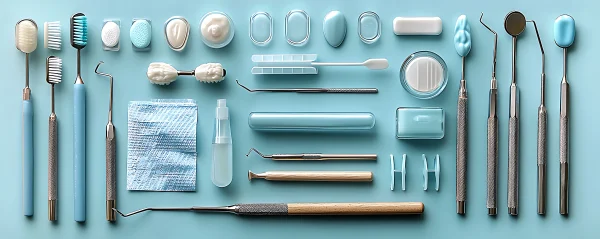
Advanced Adhesives Enable Minimally Invasive Dentistry
Manufacturers consistently expand these minimally invasive capabilities through the aggressive refinement of advanced adhesive formulas entirely behind the scenes. The careful incorporation of a reliable silane coupling agent directly alongside functional monomers allows adhesives to form incredibly strong siloxane bonds. These specialized formulas bond instantly with silica-based ceramics while simultaneously bonding to the natural dentin underneath. This specific dual-action chemistry beautifully enables the placement of completely non-retentive, minimally invasive prosthetics like ultra-thin veneers and conservative onlays.
Patients retain almost all of their original healthy tooth while gaining immense structural support from the durable restoration. Minimally invasive dentistry therefore depends entirely on the proven reliability of advanced biomaterial biocompatibility and superior chemical design. Dentists confidently restore severely broken teeth without weakening the remaining structural roots. The entire dental profession clearly shifts toward active chemical preservation rather than relying solely on aggressive mechanical tooth reduction strategies today.
The Future Engineered by Dental Materials Science
The incredible combination of aesthetic appeal, mechanical strength, and biological safety completely redefines modern clinical dentistry. The ongoing shift from passive replacement fillings to active tooth regeneration clearly marks an exciting new period. Researchers currently develop bioactive composite resins containing customized calcium phosphate, zinc, and copper nanoparticles.
As noted in an MDPI article, these new materials undergo a controlled release of therapeutic elements—primarily calcium, phosphate, and fluoride—back into the surrounding tooth structure over time. Combining unyielding structural integrity with dependable biomaterial biocompatibility enables modern dental formulas to literally heal the patient. As steady breakthroughs emerge, the practical boundaries of what restorative treatments can achieve will only expand further. The dedicated pursuit of perfection in Dental Materials Science confidently guarantees that tomorrow’s dental restorations will remain indistinguishable from natural teeth. Patients can finally trust their repaired smiles to function flawlessly, safely, and beautifully for a lifetime.
Recently Added
Categories
- Arts And Humanities
- Blog
- Business And Management
- Criminology
- Education
- Environment And Conservation
- Farming And Animal Care
- Geopolitics
- Lifestyle And Beauty
- Medicine And Science
- Mental Health
- Nutrition And Diet
- Religion And Spirituality
- Social Care And Health
- Sport And Fitness
- Technology
- Uncategorized
- Videos

