
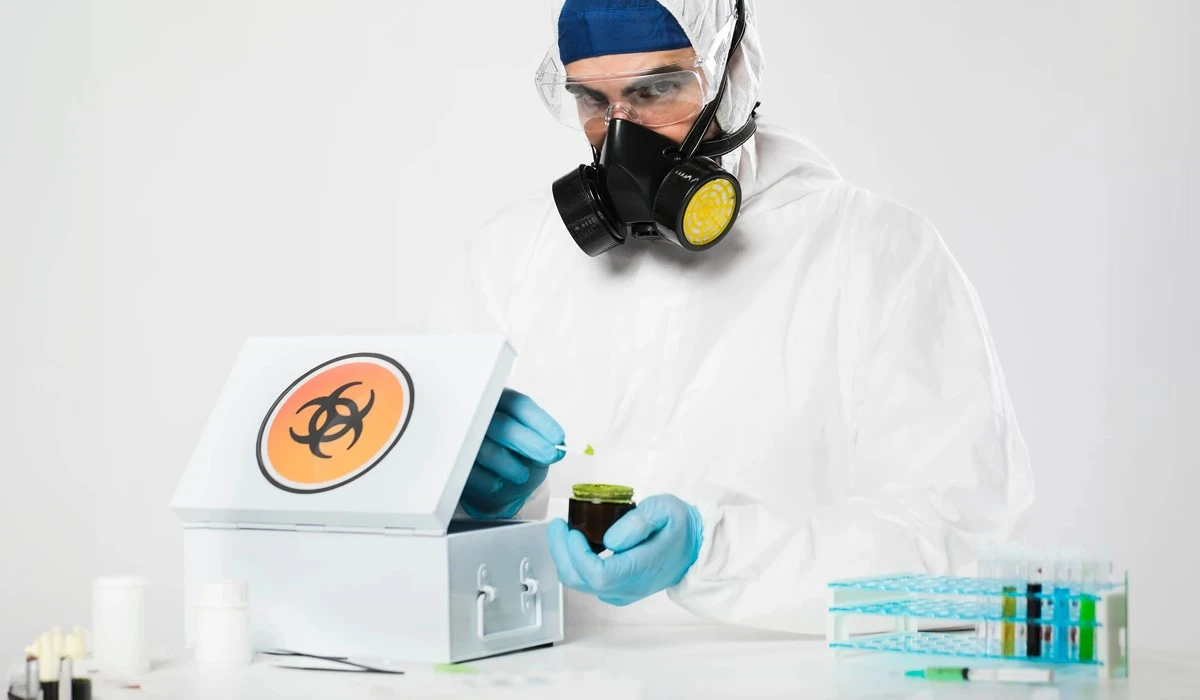
Advanced Toxin Science Meets Forensic Toxicology
When a healthy person drops dead with no obvious wounds, investigators usually look for a weapon. They search the room for a knife or a gun, but the real killer hides inside the victim's cells. Millions of molecules move through our body every second, and some of them should never enter the system.
Forensic Toxicology finds these molecules and explains why they caused a heart to stop. This field connects the cold facts of chemistry to the high stakes of a courtroom. In the past, people used ancient herbs to hide their crimes, but modern science makes that nearly impossible.
Experts combine poison detection with chemical pathology to spot toxins that once escaped notice. Science tracks every chemical choice a person makes, from the coffee they drink to the pills they take. These tiny traces tell the true story of a person’s final moments.
The Biological Blueprint of Toxicity
Every substance you swallow or inhale begins a path through your organs. Scientists call this process ADME, which stands for Absorption, Distribution, Metabolism, and Elimination. First, the stomach or lungs absorb the chemical into the bloodstream. Then, the heart pumps it to the brain, liver, and fat cells.
The liver acts as a processing plant. It tries to break down foreign chemicals into smaller pieces so the kidneys can flush them out. Ironically, this process sometimes makes a substance more dangerous. Some chemicals only become deadly after the liver transforms them into toxic metabolites.
How substances enter and affect the system
Toxins enter the body through different doors. Inhaling a gas like carbon monoxide brings the poison directly into the blood via the lungs. Swallowing a pill takes longer because the digestive system must break it down first.
Once inside, these chemicals seek out specific targets. Some toxins block the brain from sending signals to the lungs. Others stop the heart from beating in a steady rhythm. Forensic Toxicology tracks these movements to understand how a person died.
Distinguishing between therapeutic and lethal levels
The amount of a substance determines its danger. Even water or oxygen can kill if a person takes in too much. According to the National Toxicology Program, doses are typically set based on the reported LD50 values for a substance, which is the lethal dose for 50% of a population.
Small changes in chemistry lead to massive shifts in health. A doctor might prescribe a drug to help a patient sleep, but ten times that dose stops their breathing. Experts use chemical pathology to see if the drug levels in the blood match a normal prescription or a deliberate overdose.
Refine poison detection through Forensic Toxicology
Finding a specific toxin in a human body is like looking for a single grain of sand on a massive beach. Forensic scientists must sort through blood, hair, and organ tissue to find the one molecule that doesn't belong. They use a strict, two-step process to ensure they never make a mistake.
First, they run a quick test to narrow down the options. Then, they use heavy machinery to prove exactly what they found. This rigorous approach protects the innocent and catches the guilty.
Initial screening vs. confirmatory testing
The first step usually involves an immunoassay. This test uses antibodies that react when they touch certain drug classes like opiates or cocaine. It works quickly but lacks the detail needed for a court case. How do forensic toxicologists detect poison in the body? Toxicologists utilize advanced analytical techniques like mass spectrometry to isolate and identify specific chemical signatures within biological tissues or fluids.
Once the screen shows a positive result, the lab moves to confirmation. They use tools that weigh molecules to verify the exact chemical structure. This ensures a poppy-seed bagel doesn't look like a hit of heroin in the final report.
Identifying unknown substances in complicated samples
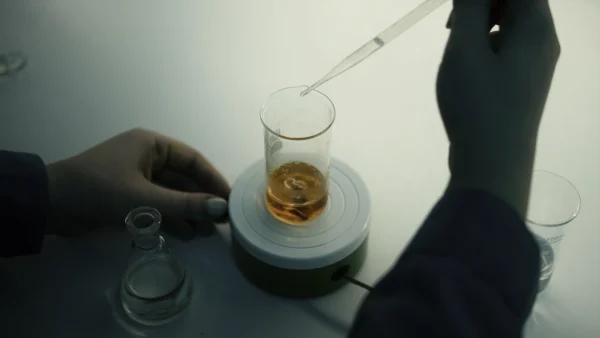
Sometimes, criminals use designer drugs to stay ahead of the law. Research published in ScienceDirect indicates that the emergence of new psychoactive substances has driven the development of more involved analytical methods, as these synthetic chemicals are often modified just enough to evade standard tests. Toxicologists must constantly update their databases to keep up.
Working with old or damaged samples adds another layer of difficulty. When a body begins to decay, the natural breakdown of tissue creates new chemicals. Experts must distinguish between the smell of death and an actual poison.
Integrating Chemical Pathology for Deeper Insights
Toxicology tells you what is in the body, but pathology tells you what it did. These two fields work together to paint a full picture of a crime. If a toxin is present, the organs usually show signs of struggle or failure.
Pathologists look for physical clues like a swollen liver or fluid in the lungs. These signs point the toxicologist toward specific poisons. This partnership turns a list of numbers into a clear story of cause and effect.
Monitoring biochemical markers of organ failure
When a toxin attacks the body, the blood chemistry changes immediately. If a person swallows a large amount of antifreeze, their kidneys will stop filtering waste. Scientists measure levels of creatinine and urea to see how much damage occurred before death.
The liver also releases specific enzymes when it faces a heavy chemical load. When experts check these levels, they can tell if a person was a long-term drug user or if they took one fatal dose. This data helps prove intent in criminal investigations.
Post-mortem biochemistry and its limitations
Death changes the way chemicals behave in the body. Blood sugar levels drop to zero almost instantly, so testing blood for diabetes after death is useless. What is the most common sample used for poison detection? While blood is the gold standard for determining immediate toxicity, urine and vitreous humor are often used for a more comprehensive metabolic history.
As noted in educational materials from Getoncourse.ai, vitreous humor is often used because it resists putrefaction and stays stable longer than blood. It protects chemicals from the bacteria that grow after death. Pathologists test this fluid to check for dehydration or alcohol levels.
Advanced Technology Powering Forensic Toxicology
Modern labs use tools that can find a single drop of poison in an Olympic-sized swimming pool. These machines take a sample and break it down into its smallest parts. This precision removes the guesswork from investigation.
Scientists rely on two main types of technology. One handles gases, while the other handles liquids. Together, they cover almost every chemical known to man.
The gold standard: GC-MS and LC-MS/MS
Gas Chromatography (GC) turns a sample into vapor and pushes it through a long tube. Different chemicals move at different speeds, allowing scientists to separate them. Then, the Mass Spectrometer (MS) smashes the molecules and weighs the pieces.
Liquid Chromatography (LC) works similarly but uses liquid instead of gas. This is better for drugs that would burn up if heated. These tools provide a molecular fingerprint that identifies a substance with 100% certainty.
High-resolution mass spectrometry for designer drugs
New drugs appear on the street every week. These substances often move too fast for standard testing kits to catch them. High-resolution mass spectrometry (HRMS) solves this by measuring the weight of a molecule to four decimal places.
This extreme accuracy allows scientists to identify a drug they have never seen before. They compare the weight to known chemical formulas and figure out the structure on the fly. This technology keeps the public safe from new, unregulated toxins.
How Forensic Toxicology validates legal evidence
A lab result means nothing if a lawyer can't prove it came from the victim. Forensic Toxicology relies on a chain of custody. Every person who touches a sample must sign a log to ensure no one tampered with the evidence.
In the courtroom, the scientist must explain elaborate chemistry to a jury of regular people. They turn numbers and graphs into a narrative that everyone can understand. This bridge between the lab and the law is vital for justice.
The role of the expert witness
According to research in PMC9799715, forensic toxicologists provide expert testimony concerning the interpretation of drug concentrations and their effects on a person’s behavior. Expert witnesses provide analysis beyond reading reports.
They also defend their methods against tough questioning. Defense attorneys often try to claim that the lab equipment was dirty or that the samples were mixed up. A good expert uses data to prove their work is flawless.
Establishing timeframes and dosage
Lawyers often need to know exactly when a person took a drug. The study in PMC9799715 also suggests that scientists look at the ratio of metabolites to the parent drug to aid interpretation of exposure timing, as a high parent drug level indicates the person took it recently. Furthermore, the report notes that toxicologists use back-calculation, or retrograde extrapolation, for alcohol as a recognized forensic practice.
This calculation often decides the outcome of a trial. Can forensic toxicology determine the time of death? While it cannot provide a precise clock time, it offers vital clues by analyzing the stage of drug metabolism and the distribution of chemicals throughout the body.
Navigating the Challenges of Modern Toxicology
The world is much messier than a clean lab. Most cases don't involve one single poison. People often have a mix of prescription drugs, alcohol, and environmental pollutants in their system.
This polydrug use makes the data very hard to read. One drug might speed up the heart while another slows it down. The resulting chemical pathology looks like a chaotic puzzle that only an expert can solve.
Interpreting complicated drug-drug interactions
When two drugs enter the body at once, they often fight for the liver's attention. This can cause one drug to build up to dangerous levels. For example, mixing alcohol with certain painkillers can stop a person's breathing even if the doses are small.
Toxicologists must understand these synergistic effects. They don't just look at each number individually. They look at how the entire chemical cocktail worked together to cause harm.
The effect of decomposition on toxin recovery
As a body breaks down, it creates new chemicals that look like poisons. This is called postmortem redistribution. Drugs move out of the organs and back into the blood, making it look like the person took a massive dose.
To solve this, experts take samples from different parts of the body. They compare blood from the heart to blood from the leg. If the numbers match, the reading is likely accurate. If they don't, the scientist must use their experience to find the truth.
Future Horizons in Forensic Analysis
Technology is moving out of the lab and into the field. Researchers are developing tools that allow police to test for thousands of toxins at the scene of a crime. This speed will save lives by getting the right information to doctors faster.
Artificial intelligence is also changing the game. Computer programs can now scan thousands of chemical samples in seconds. They find patterns that the human eye might miss.
AI and machine learning in spectral analysis
Computers are excellent at recognizing shapes. A mass spectrometry result is essentially a graph with specific peaks and valleys. AI can compare a new sample against a library of 300,000 known chemicals in the blink of an eye.
This helps labs clear their backlogs. Instead of a scientist spending hours on one sample, the computer flags the most likely matches. The human expert then does the final check to ensure the machine is right.
Miniaturization and lab-on-a-chip technology
In the future, a lab might fit in a person's pocket. Lab-on-a-chip technology uses tiny channels to move drops of blood through chemical tests. This could allow for instant poison detection at a hospital bedside.
While these tools are still in development, they promise to make Forensic Toxicology more accessible. Fast results mean faster treatment for living victims of poisoning. It also means faster answers for families waiting for news about a loved one.
The Vital Effect of Forensic Toxicology
Forensic Toxicology serves as the final voice for those who can no longer speak. It turns the quiet traces left behind in cells into a loud and clear testimony. We merge the precision of poison detection with the insights of chemical pathology to remove the shadows from mysterious deaths.
This science protects the living in addition to solving crimes, and it identifies new threats in our environment and our medicine cabinets. Every breakthrough in the lab makes the world a little safer and the truth a little easier to find. Forensic Toxicology remains the ultimate tool for finding the facts concealed deep within the human body.
Recently Added
Categories
- Arts And Humanities
- Blog
- Business And Management
- Criminology
- Education
- Environment And Conservation
- Farming And Animal Care
- Geopolitics
- Lifestyle And Beauty
- Medicine And Science
- Mental Health
- Nutrition And Diet
- Religion And Spirituality
- Social Care And Health
- Sport And Fitness
- Technology
- Uncategorized
- Videos

