
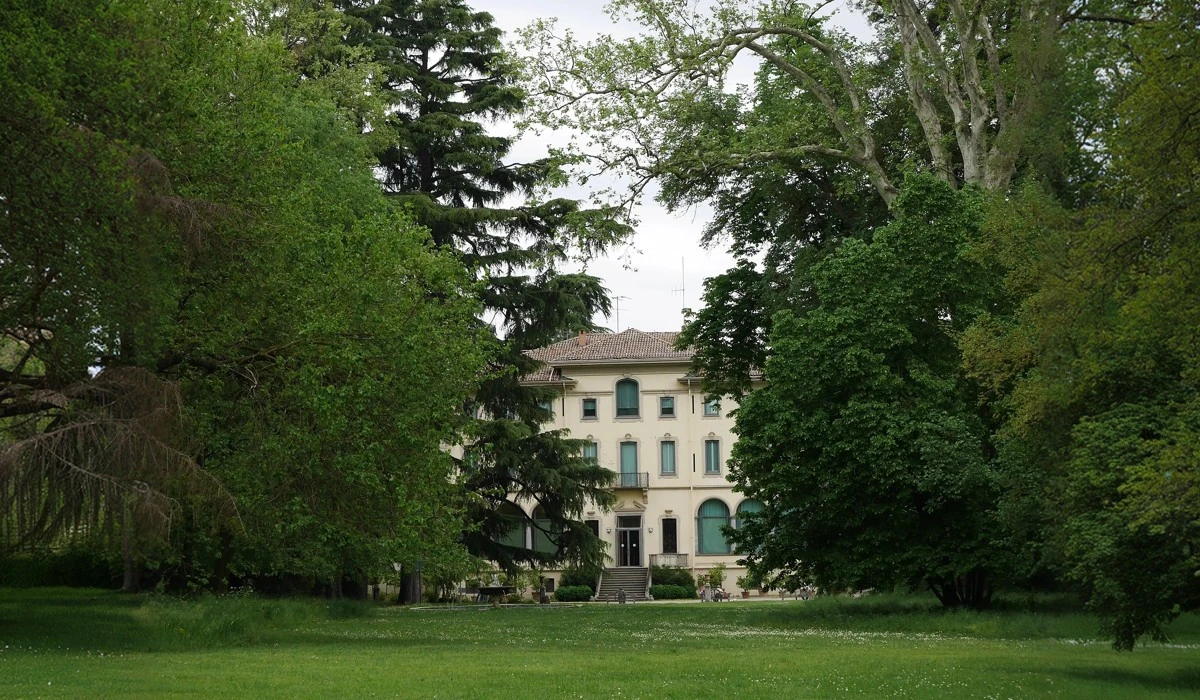
Image Credit - by Chiara Saffioti, CC BY-SA 4.0, via Wikimedia Commons
Magnani Rocca Heist: Inside the €9M Art Theft Case
Research published by Matteo Rizzolli highlights that famous paintings function as terrible resale assets for thieves, as criminals cannot quickly sell them on the authentic market without facing immense risks. Thieves who steal famous paintings instantly trap themselves in an economic dead end. A recognized masterpiece possesses zero open-market value because no legitimate buyer will touch a stolen asset. The perpetrators must secure a black-market buyer well before they ever break a window. This harsh reality frames the recent Magnani Rocca Foundation heist.
According to a Reuters report, an elite crew infiltrated the rural Fondazione Magnani Rocca estate, situated roughly 12 miles outside Parma, throughout the night of March 22-23. As noted by AP News, the intruders bypassed exterior locks by forcing open the main entrance before targeting specific canvases and fleeing into the night. Law enforcement now faces a highly organized syndicate that knew exactly what they wanted.
We must look closely at the timelines, the targets, and the split-second decisions that define this €9 million operation. A close review of the exact steps taken inside the villa reveals a clear picture of modern criminal tactics. The thieves executed a near-perfect run, but they left behind vital clues.
A Three-Minute Window at the Magnani Rocca Foundation Heist
Professional thieves budget exact seconds for a job, knowing precisely when local police units will arrive. On the night of March 22, four masked perpetrators approached the rural estate. They operated entirely under the cover of darkness. The target location sits in rural isolation roughly 12 miles from Parma, Italy.
This specific geographical distance provided a major buffer against rapid law enforcement response. The crew executed a violent forced entry through a ground-floor door. They moved immediately to the first-floor galleries. The entire infiltration, extraction, and escape took exactly three minutes. Speed governed every single physical movement.
The intruders did not wander the halls or search for random valuables. They followed a precise internal map. AP News reports that foundation representatives later characterized the group as highly organized and methodical. The operation functioned as a targeted extraction rather than an opportunistic burglary.
Rural Isolation as a Tactical Advantage
The dark country roads offered multiple unchecked escape vectors. Operating 12 miles outside Parma means fewer passing cars and fewer late-night witnesses. The thieves utilized this rural isolation to guarantee their getaway vehicle could disappear before sirens broke the quiet.
The Benefit of Masked Intrusion
Camera systems record everything, but masks nullify digital identification. The four masked perpetrators ensured investigators would have zero facial recognition data to process. Authorities must rely entirely on physical evidence left at the door breach or out in the gardens.
Eliminating Spontaneous Decisions
A three-minute timeline leaves zero room for debate. Every crew member clearly knew their specific assignment before stepping onto the property. They bypassed other valuable collections simply because those items did not fit the strict operational schedule.
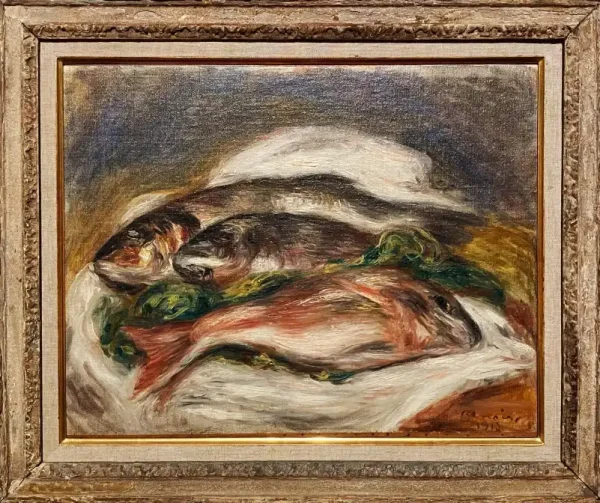
The French Room Assets: €9 Million in Masterpieces
Criminals target specific rooms based on the physical size of the items they intend to carry out. The masked intruders went straight for the French Room. They ignored heavier items to secure three specific Impressionist and Post-Impressionist paintings. The total cumulative artwork value lost amounted to €9 million, or approximately £7.8 million.
A report from People magazine highlights that the highest-value item was a Renoir painting, specifically "Les Poissons," carrying a staggering €6 million ($6.9 million) appraisal. The other targets included brilliant pieces by Paul Cézanne and Henri Matisse. People naturally wonder about the exact financial damage of this event. How much was stolen in the Magnani Rocca heist? The thieves stole three paintings valued at a combined €9 million, with the highest-priced piece being a €6 million Renoir.
The physical dimensions of these canvases allowed the thieves to transport them quickly. They prioritized lightweight masterpieces that would not slow down their frantic sprint back to the perimeter.
Tracking the Target Inventory
The thieves secured very specific target inventory. They grabbed Les Poissons, Still Life with Cherries, and Odalisque on the Terrace. Art historians know the Cézanne and Matisse pieces by their original French titles: Tasse et plat de cerises and Odalisque sur la terrasse.
International Connections Complicate Fencing
The foundation regularly partners with major global institutions. The collection has direct loan ties to the David Zwirner Gallery and the Getty Museum. Stealing from a heavily connected institution guarantees intense international scrutiny from global art networks.
The Danger of Transporting a Renoir
With €6 million tied up in the Renoir alone, the crew carried immense financial pressure. Dropping or tearing this specific canvas during the chaotic exit would ruin the majority of the operation's profit. They had to balance aggressive speed with delicate handling.
Fences, Peacocks, and the Escape Route
A successful extraction often relies on exploiting the natural landscaping designed to make an estate look beautiful. The villa exterior features monumental trees and lush gardens. Free-roaming peacocks wander the grounds. This picturesque setting provided the exact visual cover the perpetrators needed to approach unseen.
The dense vegetation broke the line of sight from the main public road. After securing the three paintings, the suspects executed a rapid departure. They exited the main building and sprinted through the dark, overgrown gardens. The final hurdle involved scaling the perimeter fence prior to law enforcement arrival.
Carrying framed or rolled canvases over a high fence requires immense physical coordination. The crew managed to vault the barrier and disappear. They vanished into the Italian countryside without leaving an immediate, trackable trail.
Navigating the Lush Gardens
Thick greenery slows down pursuers, but it also creates tripping hazards for fleeing suspects. The thieves had to navigate the monumental trees in the dark while holding €9 million in fragile assets. One wrong step could have ended the entire operation.
The Fence Scaling Tactic
A tall perimeter fence usually deters casual burglars. For a highly systematic group, it merely serves as a minor physical obstacle. They likely staged ladders or vehicles on the opposite side to ensure a rapid drop down to the street level.
Avoiding the Free-Roaming Peacocks
Startled animals create noise. The free-roaming peacocks act as organic alarm systems if disturbed. The crew had to move fast but smoothly enough to avoid causing a loud animal response that could alert a nearby groundskeeper.
Internal Defenses During the Magnani Rocca Foundation Heist
Automated security measures trap intruders in specific zones to prevent them from wiping out an entire building. The foundation did not rely solely on exterior locks. Inside the villa, modern defensive systems activated the very moment the ground floor door broke. Internal alarms sounded instantly, filling the halls with noise.
More importantly, heavy auto-locking doors slammed shut across the first floor. These internal barriers cut off access to other wings of the museum. The thieves suddenly found themselves boxed into a highly restricted area. Institution legal counsel confirmed that these alert systems prevented a total asset loss.
The immediate security system activation forced the operation to cut their visit drastically short. They grabbed the closest targets in the French Room and fled. Without these auto-locking doors, the Magnani Rocca Foundation heist might have resulted in the loss of dozens of irreplaceable masterpieces.
Swift Law Enforcement Notification
The internal alarms sent a swift notification directly to local authorities. The three-minute timer began ticking the second the first door sensors tripped. The suspects clearly recognized their operational window was instantly closing.
Preventing Broader Theft Ambitions
The legal counsel emphasized that the crew likely harbored broader theft ambitions. The auto-locking doors physically blocked them from reaching other high-value rooms. The internal defenses forced the criminals to settle for the three artworks they could immediately reach.
The Psychology of Blaring Alarms
A loud alarm induces panic and disrupts the planned timeline. It forces immediate, rushed action. The resulting chaotic audio resistance successfully protected the vast majority of its posthumous art collection.
The Strategic Delay in Public Reporting
Institutions sometimes suppress news of a robbery to trick the perpetrators into thinking they escaped cleanly. The break-in took place during the night spanning March 22 to March 23. However, the public disclosure did not happen until Sunday, via a post-weekend news release.
Reports present two distinct reasons for this notable delay. The main narrative suggests standard bureaucratic pacing for a weekend incident. Meanwhile, other networks indicate a strategic quiet designed to catch the suspects off guard. Authorities kept the news quiet hoping the thieves might return to the scene or attempt a quick local sale.
A delayed public announcement gives investigators a valuable head start. The delay allowed forensic teams to sweep the lush gardens and ground-floor door without media interference or public crowds trampling the crime scene.
Conflicting Establishment Timelines
Different news agencies reported conflicting timelines regarding the institution's history. Main articles stated the posthumous creation occurred in 1984. Conversely, sources like Reuters and Sky cited a 1977 establishment.
Maintaining Institutional Continuity
Despite the chaotic €9 million loss, museum operations maintained impressive institutional continuity post-robbery. The foundation observed its standard business hours and standard Monday closure. They refused to let a three-minute raid permanently disrupt public access to the remaining collection.
Controlling the Media Narrative
When a museum controls the release of information, they dictate what the criminal underground hears. The Sunday disclosure ensured the authorities had a full 24 hours to secure borders and notify international art databases before the thieves knew the police were fully mobilized.
The Carabinieri Manhunt Begins
Recovering stolen masterpieces requires a vast intelligence network focused entirely on the underground art trade. Italy’s Carabinieri responded immediately to the swift notification. Specifically, the Cultural Heritage Protection Unit of Bologna took over the active search for the culprits.
This specialized art squad possesses deep experience in tracking down masked perpetrators and recovering national treasures. Many people ask about the specific authorities handling these major cases. Who investigates art theft in Italy? Italy assigns these cases to the Carabinieri Cultural Heritage Protection Unit, an elite squad that recovers roughly 100,000 artifacts annually.
Their elite efficiency makes Italy one of the hardest places in the world to successfully fence stolen historical items. The investigators immediately began analyzing the ground floor door breach and the exact physical escape path taken over the fence.

Forensic Analysis of the Escape Route
Detectives combed the monumental trees and the perimeter for physical evidence. A torn piece of clothing on the fence, a dropped tool by the door, or a deep footprint in the garden could break the case wide open.
Monitoring the Border Crossings
Moving high-profile assets like a Cézanne or a Matisse out of Italy requires highly specialized smuggling routes. The unit instantly monitors known fencing hubs across Europe. They wait for the thieves or their black-market brokers to make a fatal logistical mistake.
Studying Past Recoveries
With 100,000 yearly artifact recoveries, this unit understands how art criminals operate. They cross-reference the methods used in this three-minute breach with past unsolved cases to identify potential suspect profiles.
Copycat Tactics from the Louvre Breach
Successful robberies in one country provide an instructional roadmap for criminal syndicates operating across borders. The foundation’s legal counsel pointed to a specific, high-profile inspiration for the attack. They suspect the thieves drew deep motivation from a recent, seemingly effortless Parisian museum breach.
In October, thieves executed a massive Louvre parallel heist. That aggressive operation resulted in an €88m ($101m) jewel loss. The Parisian breach famously lasted under 8 minutes. The Italian crew clearly studied this specific timeline. They tightened their own operation to an incredible three minutes.
They adopted the same rapid-strike mentality, prioritizing raw speed over quiet stealth. The glaring similarities between the two crimes suggest a growing, dangerous trend in high-speed smash-and-grab museum hits across Europe.
The Fate of the Louvre Crew
The Louvre thieves did not enjoy their massive success for long. Authorities secured the indictment of 3 men and one woman exactly one-month post-heist.
Correcting Rival Mistakes
The Italian suspects likely watched the Parisian fallout very closely. The suspects thoroughly masked their faces and chose a rural target 12 miles from Parma to correct the specific mistakes that ultimately led to the Louvre crew's rapid arrest.
The Evolution of Art Theft
Art thieves no longer lower themselves from skylights with lasers. They smash ground-floor doors, grab millions in assets, and flee before police dispatchers even finish taking the automated alarm call.
The Vulnerability of the Magnani Estate
Private residences converted into public galleries struggle to balance historical aesthetics with modern security demands. The foundation operates within the sprawling former residence of the late Luigi Magnani. Magnani died at age 78, leaving behind a massive, incredibly valuable posthumous art collection.
The estate officially turned into a museum, creating inherent, lasting security challenges. You might wonder about the specific timeline of the estate's opening. When did the Magnani Rocca Foundation open? The institution’s official website states that the Mamiano Villa was formally began welcoming visitors as a museum in 1990after the death of its founder, Luigi Magnani.
Turning a lush, beautiful countryside villa into an impenetrable fortress ruins the visitor experience. The foundation had to maintain the beautiful, open aesthetics of the French Room while simultaneously installing heavy auto-locking doors to prevent total devastation.
The Burden of a Public Legacy
Luigi Magnani spent a lifetime passionately curating his collection. His posthumous estate accessibility allows the general public to view famous masterpieces that normally remain locked away in private corporate vaults.
The Cost of Public Accessibility
Unfortunately, public access gives organized criminals the perfect opportunity to scout the layout. The four masked perpetrators likely visited the museum posing as tourists during standard business hours.
Mapping the Quickest Route
During these scouting trips, the suspects walked the halls, noted the weakest ground-floor door, and mapped the fastest, most direct route directly to the Impressionist masterpieces.
The Aftermath of the Magnani Rocca Foundation Heist
The perpetrators executed a fiercely disciplined operation. They successfully breached the ground floor, grabbed three masterpieces, and scaled the garden fence in exactly three minutes. They outran the initial police response and vanished entirely into the rural darkness. The Magnani Rocca Foundation heist demonstrates how geographical isolation gives highly systematic criminals a massive operational advantage.
Yet, possessing a €6 million Renoir creates an immediate, crushing liability. The thieves hold brilliant assets they cannot easily turn into cash. Every elite investigator in Italy's Carabinieri Cultural Heritage Protection Unit is currently hunting them. The internal auto-locking doors successfully prevented a complete disaster, ensuring the vast majority of Luigi Magnani's legacy remains safe. Ultimately, stealing historical art guarantees a lifetime of looking over your shoulder.
Recently Added
Categories
- Arts And Humanities
- Blog
- Business And Management
- Criminology
- Education
- Environment And Conservation
- Farming And Animal Care
- Geopolitics
- Lifestyle And Beauty
- Medicine And Science
- Mental Health
- Nutrition And Diet
- Religion And Spirituality
- Social Care And Health
- Sport And Fitness
- Technology
- Uncategorized
- Videos

