
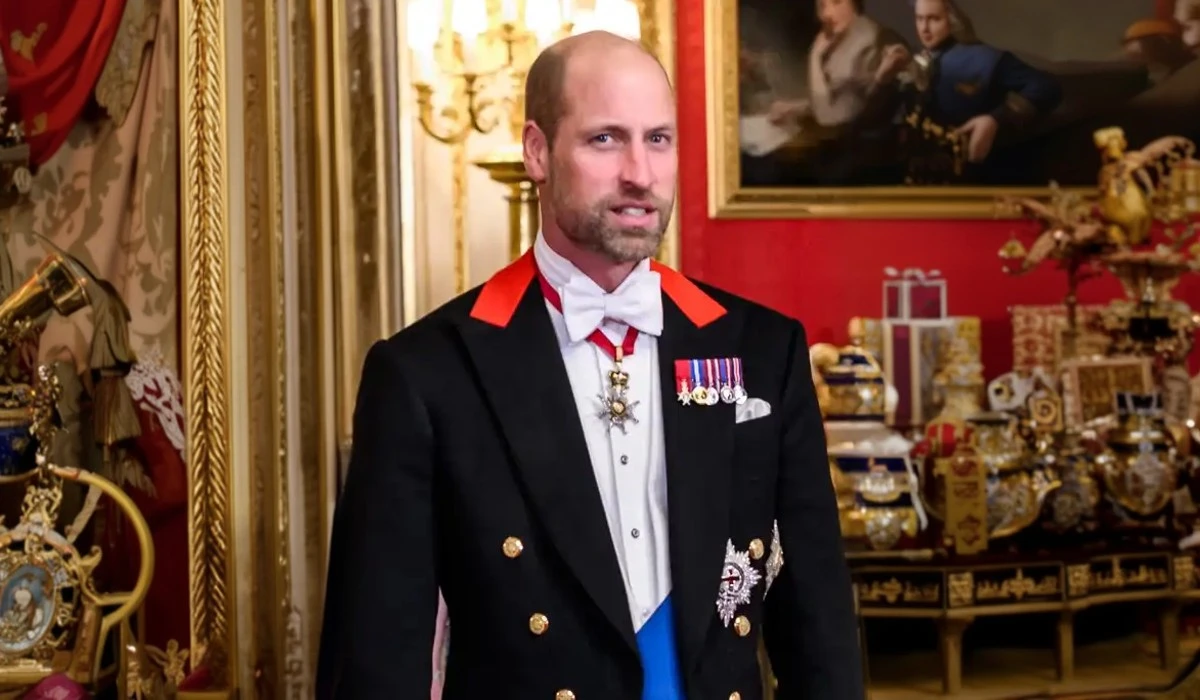
Prince William Faith: The Crown’s True Beliefs
When a state institution requires a specific personal belief to function, public perception immediately assumes any private reserve equals systemic failure. State organizations often demand a specific worldview from their leaders to operate smoothly. The public then naturally assumes any private quietness indicates a total spiritual deficit. This assumption completely misreads how modern royals handle constitutional duty. The reality of Prince William faith reveals a stark departure from past generations. For decades, the public measured royal devotion by flawless Sunday attendance and highly visible piety.
Today, the demands of the British throne clash aggressively with the practical realities of a younger monarch. A massive gap exists between what citizens expect from the next Supreme Governor of the Church of England and how he actually approaches his moral obligations. He strongly prefers a deeply internal approach over traditional public religious displays. The public gaze frequently demands performative religion. The future king entirely rejects this demand. He focuses on a completely different framework to survive the upcoming transfer of power. The monarchy requires absolute dedication to survive the modern age. He intends to provide that dedication strictly on his own terms.
The Demands of the Crown and Prince William Faith
Legal authority over a national church forces a sovereign to turn their private conscience into a public utility. The future monarch must step into massive historical shoes immediately upon taking the throne. According to the official royal website, the British sovereign acts as the Supreme Governor of the Church of England and officially holds the title of Defender of the Faith. This demanding constitutional duty involves the formal approval of archbishops, bishops, and deans.
The sovereign signs off on these top religious appointments following a direct recommendation from the prime minister. What is the religious role of the British monarch? As noted by Town & Country, Prince William prepares for his future role as the Supreme Governor of the national church when he becomes King, officially defending the Protestant faith. This requires the sovereign to maintain the historic constitutional link between the crown and parliament.
The Queen’s 70-Year Standard
Queen Elizabeth II provided the ultimate template during her massive 70-year reign. She heavily utilized Jesus's model as a lesson for universal reverence. She maintained deep appreciation for individuals across all belief systems and entirely secular views. Her long tenure established a rigid standard of public devotion. Now, the heavy constitutional expectations shift directly to a 43-year-old heir.
The ongoing conversation around Prince William faith focuses heavily on his ability to hold this ancient governmental structure together. The public wants to know how a modern man will command an ancient religious system. He must bridge the massive gap between ancient royal tradition and modern secular reality. He faces the strict challenge of honoring a 70-year legacy while forging a completely new path forward.
A Meeting of Modern Minds at Lambeth Palace
Ancient institutions survive generational shifts through the exchange of rigid tradition for shared pragmatism. Prince William historically lacked substantial ties to Lambeth Palace. That vast institutional distance recently closed during a highly practical meeting with incoming Archbishop Dame Sarah Mullally. According to The Independent, the two leaders gathered informally over tea to discuss the direct intersection of the Church and Royal Foundation work.
Breaking Royal Protocol Over Tea
The same publication noted they quickly found a shared personal connection over the Aston Villa football club. This informal meeting marked a major shift in standard royal protocol. Reuters reports that Mullally brings a highly grounded perspective to her massive new role as the first female Archbishop of Canterbury. She previously worked as a chief nursing officer for the National Health Service. Her deeply practical background perfectly matches William's intense desire for a non-traditional religious display.
Sources close to the Archbishop note their mutual zeal against an elitist religious atmosphere. They share a specific, unified goal. They want to ensure broad public accessibility and modern pertinence for the national church. The two leaders completely agree on modernizing the massive institution. They plan to dismantle the historical barriers separating the national church from everyday citizens. They strictly recognize the urgent need to make the church completely relevant to the current generation.
Unpacking the Contradictions of Prince William Faith
A lack of visible participation frequently causes outsiders to diagnose a severe lack of commitment. Royal author Robert Hardman claimed in 2024 that William experiences deep discomfort in highly traditional faith environments. Outside observers point to his irregular Sunday church attendance as absolute proof of this claim. The Independent reports his early religious milestones included a traditional baptism at six weeks old and a formal confirmation at 14 years old.
The Realities of a Modern Parent
Meanwhile, People magazine notes that he participates in key religious events like Christmas Day services, with his last major public appearance occurring at St Mary Magdalene Church in Sandringham, Norfolk. These contrasting facts create a complicated public narrative. However, these external critiques completely miss the grounded reality of Prince William faith. He relies heavily on intense inner conviction. He completely bypasses the strict traditional requirement for daily worship. Does Prince William attend church regularly? As highlighted by The Independent, Prince William attends church irregularly and focuses on private reflection instead of public Sunday worship. His approach favors extreme pragmatism to manage the massive demands of raising young children.
Royal aides firmly confirm his deep roots in a genuine personal foundation. He simply refuses to perform weekly piety for the cameras. He strongly prioritizes real-world results over traditional religious posturing. He strictly chooses a quiet commitment to duty to prove his genuine dedication to the crown.
The Historic Stakes Behind the Throne
A constitutional system breaks down immediately if its central religious requirement looks like a forced performance. The crown-parliament relationship rests entirely on a heavy foundation stone of Protestant belief. The sovereign must bring absolute sincerity to the role to maintain legal stability. Historian Tom Holland outlines a harsh reality for the future king. He intensely argues that genuine faith or a highly persuasive facade serves as a mandatory prerequisite for the throne.

The Threat of Disqualification
The state apparatus demands a fully committed figurehead to function properly. Holland suggests a complete spiritual deficit could result in potential crown disqualification. He aggressively views a royal consecration as total nonsense without an authentic Christian belief backing the ancient ritual. William deeply understands this immense historical weight. He actively balances belief, duty, and accountability as historic pillars for the future crown.
He strongly aims to protect the strict integrity of the state religion. He carefully navigates his own quiet commitment to duty to strictly fulfill these heavy obligations. The strict future of the monarchy depends entirely on his ability to carry this massive constitutional load. A misstep could cause a major constitutional crisis regarding the ultimate validity of the crown. He takes these historic stakes completely seriously.
The Internal Approach to Royal Duty and Prince William Faith
Removing public pageantry from an obligation forces a leader to build a stronger psychological defense. William strictly engages in a lengthy internal analysis of his personal feelings to prepare for his upcoming constitutional obligations. He prioritizes the deep importance of regular self-reflection. He views everyday psychological struggles as transient episodes. He strictly refuses to treat temporary emotional hurdles as permanent roadblocks.
A Shield Against Public Scrutiny
This intense internal resilience prepares him for the massive pressure of the throne. Close associates remain fully aware of his deep spiritual ties. A royal aide strongly notes a massive deficit in public comprehension regarding the extreme subtlety of Prince William faith. He maintains strict reserve beyond public expectations. This quiet method completely guarantees his personal sincerity remains entirely intact.
He cultivates a deeply contemplative personal method to heavily handle his future duties. He highly views his religious role as a strict moral obligation. His private inner life acts as a heavy shield against relentless public scrutiny. He aggressively guards his personal beliefs to entirely protect his mental foundation. He focuses entirely on long-term endurance over short-term public approval. He strictly builds his leadership on an entirely internal framework.
Merging Heritage with Modern Relevance
Leading an ancient organization today requires a leader to strip away the historical elitism while fiercely protecting the core authority. William strongly anticipates holding the top religious title. He intensely desires a strong institutional connection to help manage the massive burden of the crown. He actively balances rigid heritage with contemporary societal relevance. He strictly knows a modern institutional connection to the populace serves as a vital survival tool for the entire monarchy.
Dismantling Elitism in the Church
The state religion must entirely adapt to survive the changing demographics of the nation. Who appoints the Archbishop of Canterbury? The British sovereign officially approves the Archbishop of Canterbury based on a direct recommendation from the prime minister. This specific legal process binds the state government directly to the national religion.
William strictly wants to ensure this massive institutional connection remains perfectly strong. He completely refuses to let the church feel archaic or completely detached from modern life. He heavily plans to approach these massive future duties via his highly unique personal style. He fiercely seeks to build a permanent framework based strictly on genuine moral obligation. He strongly aims to anchor the heavy crown in absolute reality. He highly views modern pertinence as the ultimate key to massive institutional survival.
Defending the Crown Through Prince William Faith
Redefining a rigid constitutional obligation secures its survival for another generation. The highly anticipated installation of Dame Sarah Mullally on Wednesday, March 25, heavily places William at a major historical intersection. Mullally steps in as the very first female Archbishop of Canterbury in front of 2,000 attendees at Canterbury Cathedral. A strong source close to William heavily frames his upcoming cathedral entrance as a highly definitive public stance.
The March 25 Cathedral Stance
He heavily plans to draw a firm boundary regarding his absolute spiritual dedication. He will strictly use this massive event to send a completely clear message to the nation. The cathedral event completely provides a vital clarification of his true religious allegiance. He will completely demonstrate his total dedication to the national religion strictly on his exact own terms.
The public will thoroughly witness the real-time evolution of a modern heir. He entirely steps away from his publicly devout predecessors to strictly carve a totally new path. The massive public conversation surrounding Prince William faith focuses entirely on earnest responsibility. He heavily grounds his future leadership strictly in absolute reality. He fully readies himself to strictly take the heavy mantle of Defender of the Faith with complete authority. His modernization of the strict approach to the role firmly secures his position.
The Future of the Sovereign’s Beliefs
The British monarchy rigidly demands a deeply personal conviction to power a highly public institution. The massive historical weight of the throne constantly threatens to completely crush any leader relying on an empty performance. William entirely rejects the old standards of highly visible piety. He strictly builds his future leadership on deep private reflection, quiet dedication, and heavy modern pragmatism. He absolutely refuses to pretend strictly for the sake of ancient tradition.
He strictly chooses an earnest approach to tightly manage the immense pressure of his future obligations. This thoroughly grounded approach fiercely protects the massive integrity of the crown. The ongoing evolution of Prince William faith completely guarantees the state religion remains highly relevant for a rapidly shifting society. He entirely views his upcoming constitutional role through a strict lens of absolute accountability and heavy moral duty. He fiercely steps toward his ultimate role with perfectly clear eyes. He successfully maintains a steady, highly authentic foundation strictly designed to entirely outlast temporary public criticism. He entirely ensures the ancient British monarchy remains fully anchored strictly in the modern world.
Recently Added
Categories
- Arts And Humanities
- Blog
- Business And Management
- Criminology
- Education
- Environment And Conservation
- Farming And Animal Care
- Geopolitics
- Lifestyle And Beauty
- Medicine And Science
- Mental Health
- Nutrition And Diet
- Religion And Spirituality
- Social Care And Health
- Sport And Fitness
- Technology
- Uncategorized
- Videos

