
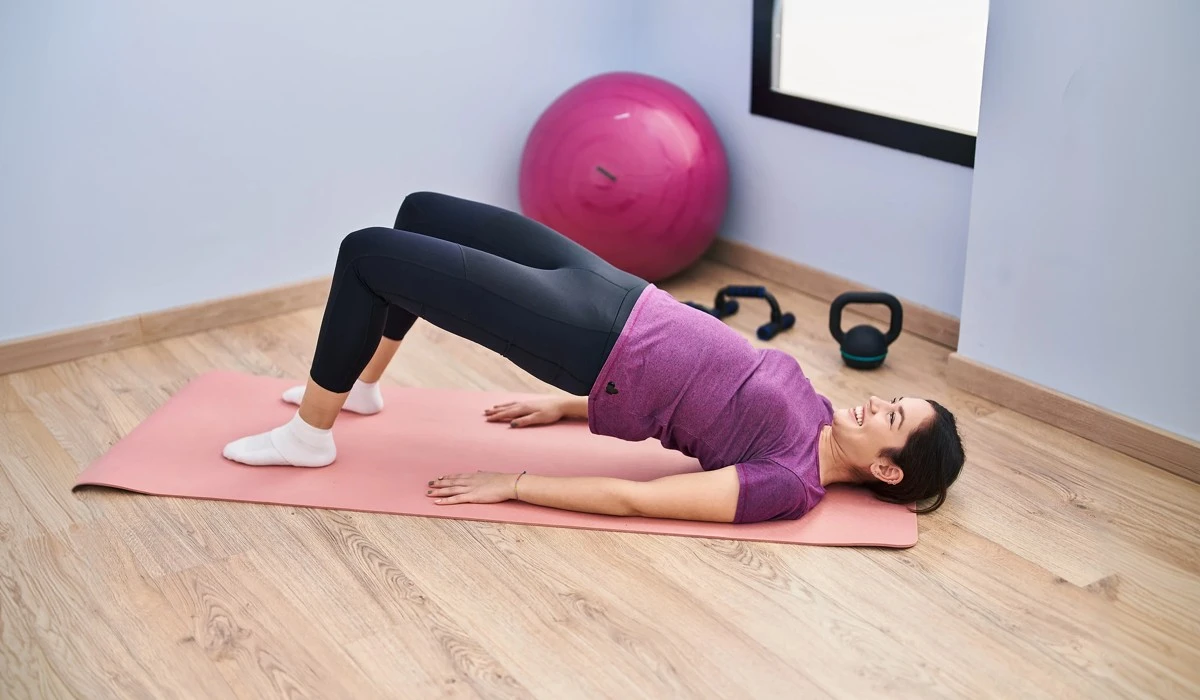
Pelvic Tension: Fascial Release Stretching Methods
You feel stiff because your body is literally gluing itself together from the inside out. Sitting all day tells your hips to stay in one shape forever. This process results in a stiff layer around your joints that standard gym stretching cannot resolve. Stretch Therapy changes this by breaking those internal bonds.
Your pelvis acts as the primary anchor for your entire body. Standard stretching often fails since its focus is restricted to pulling on the muscle. Stretch Therapy goes deeper by targeting the thick web of connective tissue that holds your shape together.
This approach uses specific movements to melt the "glue" between your layers of tissue. Engaging your nervous system tells your brain it is safe to let go of years of tension. You can stop fighting your own body and begin moving with ease again.
The Biological Structure of Pelvic Fascia
According to a report by the Fascia Nomenclature Committee of the Fascia Research Society, the pelvic fascia is part of an ongoing three-dimensional network of connective tissue that integrates all body systems. This web supports your internal organs and maintains the balance of your entire midsection. Fascia is a fluid-filled tissue that reacts to every move you make. In the pelvis, it connects your feet to your diaphragm through a path called the Deep Front Line.
Research published in PubMed explains that hyaluronan serves as a lubricant between muscle and fascia to ensure smooth movement, though inactivity can lead to densification, where this substance becomes a sticky paste. Your pelvic bones eventually lose their ability to glide independently. Your hips begin to feel like a single block of wood instead of moving smoothly.
Why the Pelvis is Prone to Tension
Modern life forces us into a folded position for eight hours a day. This constant compression starves the pelvic fascia of oxygen and movement. Emotional stress also plays a massive role here. Your brain sends signals to the pelvis to tighten up whenever you feel overwhelmed or anxious.
Unlike simple sports stretches, fascial release stretching methods focus on moving in multiple directions at once. This multi-planar movement mimics how humans are supposed to move in nature. It prevents the fascia from drying out and sticking to the surrounding muscle fibers.
How Stretch Therapy Targets Deep Tissue Adhesions
Standard stretching often reaches a limit due to the "stretch reflex." Your brain fears that a muscle might tear, so it sends a signal to contract and protect the joint. Research in PubMed suggests that PNF stretching, including the contract-relax method, is a highly effective way to increase range of motion and bypass this neurological alarm. The study also suggests that this method influences the point at which the brain perceives or tolerates the stretch.
What does Stretch Therapy actually do? It utilizes active-assisted techniques to retrain the nervous system and lengthen the connective tissue surrounding the joints. Using these neurological resets helps you access deep layers of tissue that stay locked during a normal yoga class.
Proven Fascial Release Stretching Methods for the Pelvis
As noted by research in PubMed, performing PNF once or twice per week is necessary to achieve lasting improvements in mobility for the hip girdle. This method involves isometric contractions followed by a deep release. While the study explores the function of Golgi Tendon Organs located where muscles meet tendons, it notes that the idea of these sensors forcing muscle relaxation during PNF is not fully supported by current literature.
Additional research in PubMed suggests that myofascial gliding, which creates a "shear force" between the skin and muscle, is guaranteed by hyaluronan within the connective tissue. These fascial release stretching methods pull the stuck layers of tissue apart. It restores the sliding action necessary for walking, running, and jumping without pain.
The Role of Breath in Fascial Expansion
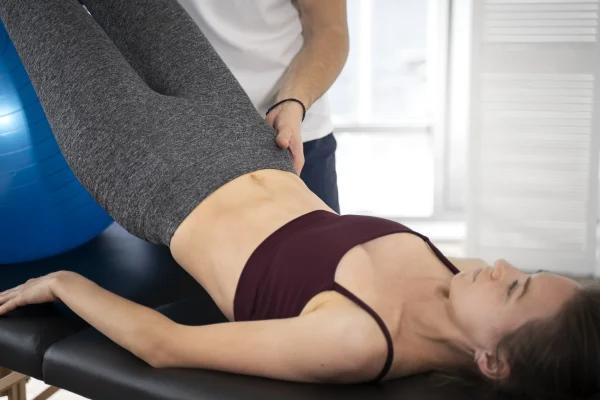
Research published in PubMed confirms that diaphragmatic motion and the contraction of the pelvic floor muscles correlate during the breathing process. When you take a deep breath, your pelvic floor should expand and drop. If your fascia is tight, this movement stops, and your breathing becomes shallow.
Using controlled breathing during a session helps "inflate" the pelvic cavity from the inside. This internal pressure assists the external stretching forces. It creates a 360-degree release that manual pressure alone cannot achieve.
Signs Your Body is Begging for Stretch Therapy
Tightness in the pelvic region rarely stays in the pelvis. It often shows up as a nagging pain in the lower back or a sharp pull in the groin. You might notice that your "hamstrings" always feel tight, even if you stretch them every day. Often, the real problem is the fascia in your hips pulling on the back of your legs.
Other signs include a feeling of "thickness" in your joints or a loss of spring in your step. How do I know if my fascia is tight? You will likely feel a sense of "thickness" or restriction in your movement that doesn't improve with standard stretching or rest. If you feel like you are walking through mud, your Stretch Therapy needs are likely high.
Breaking the Cycle of Chronic Pelvic Pain
Chronic pelvic pain often stems from a lack of blood flow and compressed nerves. When your fascia hardens, it acts like a kink in a garden hose. This restriction prevents fresh blood from reaching the deep muscles of the hip. Opening these pathways allows the body to flush out inflammatory chemicals that cause pain.
Consistency with fascial release stretching methods builds a "new normal" for your posture. Releasing the pelvic fascia often solves problems in the knees and ankles. When the center of your body moves correctly, the rest of your limbs don't have to overwork to compensate.
Improving Circulation and Lymphatic Flow
Your lymphatic system relies on movement to pump fluid through your body. The pelvis contains a high concentration of lymph nodes and major blood vessels. Tight fascia squeezes these channels shut, leading to swelling and slow recovery times.
Stretch Therapy acts as a manual pump for these systems. Lengthening the deep front line improves the transit of nutrients to your cells. This biological "flushing" helps you recover from workouts faster and reduces general fatigue.
Comparing Traditional Stretching and Stretch Therapy
Most people think stretching means reaching for their toes and holding still. This passive approach only affects the muscle fibers and rarely changes your long-term flexibility. It provides a temporary feeling of relief that disappears within an hour.
Is Stretch Therapy better than regular stretching? Stretch Therapy is more effective than standard stretching because it targets neurological and fascial components of flexibility in addition to muscle fibers. Stretch Therapy requires you to be an active participant in the process. You engage your brain to change how your body holds its shape.
Integrating Fascial Health into Your Longevity Plan
You should view fascial care as a long-term investment rather than a quick fix. Think of it like dental hygiene for your musculoskeletal system. Applying fascial release stretching methods twice a week can prevent the age-related stiffness that many people accept as inevitable.
Professional Stretch Therapy sessions provide the deep work needed to clear old adhesions. Between sessions, you can maintain your progress with targeted movements at home. The goal is to create a body that feels light and responsive well into your later years.
The Neurological Effect of Pelvic Release
The psoas muscle and the surrounding pelvic fascia are hardwired to your brain's fear center. When you are under stress, these tissues contract to pull you into a protective fetal position. This is why many people feel an emotional release during deep hip work.
Stretch Therapy helps lower your systemic stress levels through the physical interruption of this tension. When the pelvic floor and hips relax, your brain receives a signal that the danger has passed. This shift moves you out of "fight or flight" mode and into a state of recovery and repair.
Reclaiming Movement with Stretch Therapy
You do not have to accept a stiff, painful body as your permanent reality. Your fascia is highly adaptable and responds quickly to the right kind of pressure. Combining Stretch Therapy with specific fascial release stretching methods helps you undo years of damage from sitting and stress.
This process restores your natural ability to move without thinking about it. You gain flexibility along with the freedom to live an active life. Start addressing your pelvic tension today and experience the lightness that comes with a balanced, open body. Stretch Therapy offers a clear path back to the fluid movement you were born to enjoy.
Recently Added
Categories
- Arts And Humanities
- Blog
- Business And Management
- Criminology
- Education
- Environment And Conservation
- Farming And Animal Care
- Geopolitics
- Lifestyle And Beauty
- Medicine And Science
- Mental Health
- Nutrition And Diet
- Religion And Spirituality
- Social Care And Health
- Sport And Fitness
- Technology
- Uncategorized
- Videos

