
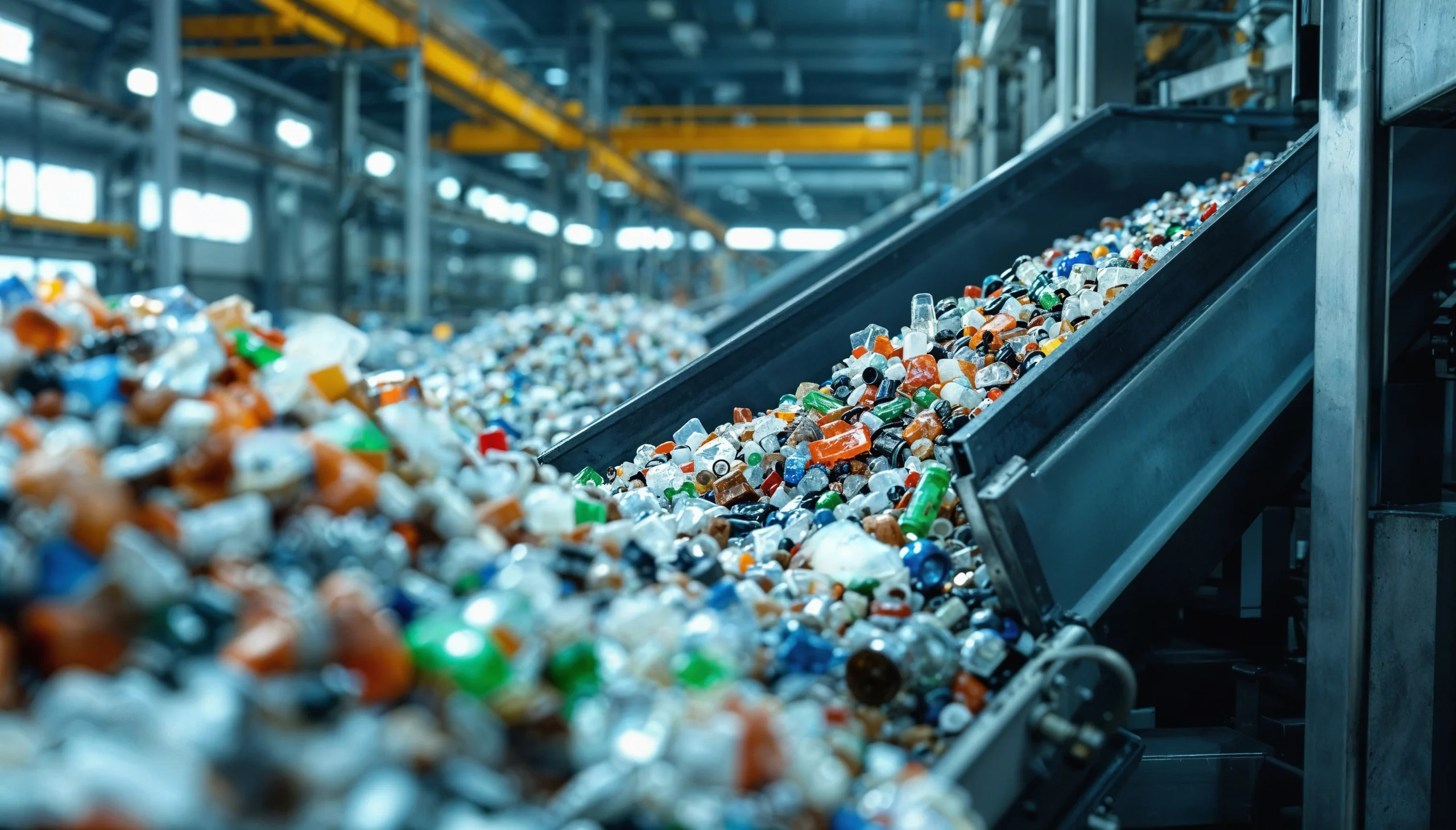
Plastics Recycling Scaled Through Polymer Sorting Tech
You drop a clear soda bottle into a blue bin. You expect a new bottle to emerge from a factory weeks later. In many cases, however, that bottle ends up in a landfill. A single stray piece of PVC often ruins a thousand-pound batch of PET plastic. This failure happens millions of times every single day.
Modern Plastics Recycling relies on a layer of technology most people never see. New polymer sorting technologies now bridge the gap between a mountain of trash and high-quality raw material. These systems identify chemical signatures in the blink of an eye. They turn messy waste streams into pure industrial supplies. This shift allows the industry to scale beyond small-scale pilot programs. It changes recycling into a large-scale global solution that actually works.
The Current Bottleneck in Productive Plastics Recycling
Manual sorting reaches its limit very quickly. Humans look at a pile of plastic and see shapes and colors. Research published by MDPI indicates that humans cannot observe the molecular bonds separating Polyethylene (PE) from Polypropylene (PP). According to this study, these resins are physically similar in packaging, yet their comparable densities make separation power-intensive, and their inherent incompatibility prevents blending without specific additives. If a worker puts the wrong bottle on the wrong conveyor, the entire batch loses its value.
Contamination acts as the primary enemy of a circular economy. In Plastics Recycling, even a tiny amount of the wrong material causes disaster. Research in ScienceDirect shows that a 2% presence of PVC in PET is dangerous because hydrogen chloride release causes molecular chain breakage. As noted in MDPI, this acid causes corrosion in metal machinery. The ScienceDirect study also notes that as little as 100 ppm of PVC causes the final plastic to become yellow and brittle.
Why is sorting vital for plastics recycling? Accurate sorting ensures that different chemical resins do not contaminate each other, which maintains the structural integrity and value of the final recycled product. Without this accuracy, companies cannot use recycled plastic for high-end products. They must settle for "downcycling" plastic into park benches or speed bumps.
How Polymer Sorting Technologies Increase Throughput
The industry is moving away from labor-intensive manual lines. A report in MDPI states that facilities are implementing automated systems, as robotics and intelligence software provide a solution to the errors found in manual sorting. These polymer sorting technologies use sensors and high-speed belts to process waste. A human might sort thirty objects in a minute. An automated sensor handles thousands in that same window of time.
As noted by Steinert Global, these automation systems enable belt sorting machines to reach high performance levels, processing between 1 to 6 tonnes of plastic every hour. This scale is roughly 50 times faster than old-fashioned manual lines. Modern facilities run these machines 24 hours a day. High throughput makes Plastics Recycling a profitable venture for cities and private companies.
These machines remove the guesswork from the sorting floor. They provide consistent results regardless of the shift or the quality of the incoming trash. Speed and precision work together to handle the massive volume of plastic produced globally. This shift makes large-scale operations commercially viable for the first time in history.
Deep Dive: The Mechanics of High-Speed Identification
Advanced hardware identifies polymers based on how they reflect light or react to energy. These machines make decisions in the time it takes to blink.
Near-Infrared (NIR) Spectroscopy: The Industry Standard
Research published in PMC notes that state-of-the-art plants use Near-Infrared (NIR) sensors, which scan materials between 750 nm and 2500 nm. The study explains that every plastic resin has a unique "spectral fingerprint" because of its molecular bonds. The sensor detects these fingerprints in about 2 to 5 milliseconds.
When the sensor identifies a specific resin, it sends a signal to a computer. The computer then activates a row of air jets. These jets fire high-pressure bursts to "kick" the plastic into the correct bin. The belt often moves at 4 meters per second, yet the air jets never miss their target.
Laser-Induced Breakdown Spectroscopy (LIBS)
Some plastics hide from NIR sensors. Dark-colored or black plastics absorb infrared light rather than reflecting it. This makes them appear unnoticeable to standard machines. Plastics Recycling facilities solve this by using LIBS.
LIBS fires a pulsed laser at the plastic surface. This laser creates a tiny, harmless plasma plume. The machine analyzes the light from that plasma to determine the elemental makeup. This allows the facility to recover black plastic car bumpers or electronic casings that usually go to the landfill.
Visual Imaging and Color Recognition
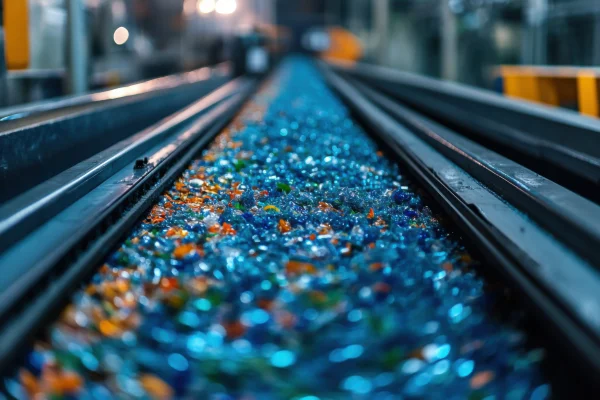
Color matters as much as chemistry. As stated by Okon Recycling, clear or natural plastics command higher prices because mixed-color plastics have restricted uses. Visual imaging systems use high-definition cameras to separate plastics by shade and transparency. This ensures the final recycled pellets meet the aesthetic needs of big brands.
Companies want their new packaging to look pristine. When recyclers sort by color, they provide a product that looks just like virgin plastic. This keeps the demand for recycled materials high across the globe.
Solving the Contamination Crisis in Mixed Streams
Waste streams often arrive at the facility as a messy mix. Food containers, detergent bottles, and flexible films all arrive in the same truck. Advanced polymer sorting technologies peel back these detailed layers. Research in MDPI highlights that these systems can distinguish food-grade containers, noting that even a 5% presence of non-food PET in the stream does not endanger the consumer.
According to the Royal Society of Chemistry, multi-layer packaging presents a major hurdle because these films have varied compositions and incompatible layers. As Reuters reports, modern sensors can now identify these composite materials, which is essential because mixed layers are difficult to separate and recycle. They separate them from pure streams to prevent contamination.
Can all polymers be recycled together? No, different polymers have different melting points and chemical properties, meaning they must be isolated into pure streams to be reused effectively. If you melt them together, the different plastics separate like oil and water. This creates a weak, unusable material that fails in the manufacturing plant.
Scaling the Economics of Plastics Recycling
The financial health of a recycling plant depends on the purity of its output. High-purity resin flakes command a massive premium in the open market. Analysis by BNP Paribas AM suggests that while buyers might pay significantly more for high-purity flakes, recycled plastic generally commands a 10% to 20% premium over virgin oil-based equivalents. Plastics Recycling becomes a highly profitable activity when the technology produces "bottle-to-bottle" quality material.
Investment in polymer sorting technologies pays off as it reduces "residual waste." This term refers to the plastic that a facility accidentally throws away because it couldn't identify it. Better sensors reduce this waste from 25% down to less than 5%.
Every pound of plastic saved from the landfill adds to the bottom line. Successful sorting also lowers the cost of secondary cleaning. When the initial sort is nearly perfect, the washing and pelletizing phases cost much less. This productivity allows recycled plastic to compete with the price of new plastic made from oil.
The Role of AI and Machine Learning in Future Sorting
Software functions beyond reading light signatures; Artificial Intelligence (AI) adds a layer of logic to the sorting belt. According to MDPI, automated systems apply Convolutional Neural Networks to achieve real-time object classification based on shapes and brands. It can tell the difference between a milk jug and a bleach bottle even if both use the same HDPE plastic.
Recycling Magazine reports that robotic arms now assist air jets, performing up to 55 successful picks every minute. These robots act as a final quality control step. They pull out small contaminants like silicone caps or rubber seals that sensors might overlook. This level of detail ensures the final product is virtually perfect.
How does AI help in plastic sorting? AI uses computer vision and neural networks to recognize detailed objects and material types that traditional sensors might misidentify. This significantly increases sorting accuracy. These systems "learn" as they work. They get better at identifying new types of packaging every single day. This steady improvement keeps the facility ahead of changing consumer trends.
Environmental Effects and the Road to Net Zero
Scaling Plastics Recycling directly reduces the world's carbon footprint. Producing plastic from recycled flakes uses 88% less energy than making it from crude oil. Every ton of plastic recovered is a ton of oil that stays in the ground.
Advanced polymer sorting technologies make a circular economy possible. Without these tools, we would continue to burn or bury most of our plastic waste. These machines change how we label materials, moving from "waste" to "resource."
Manufacturers now set aggressive "Net Zero" goals. They cannot reach these goals without a steady supply of recycled resin. High-speed sorting provides that supply. It bridges the gap between environmental promises and industrial reality. Successful recycling protects oceans and environments from plastic pollution.
The Evolution of Plastics Recycling
The global plastic problem feels overwhelming when you look at a landfill. However, technology offers a clear path forward. We no longer rely on human eyes to solve a chemical problem. Polymer sorting technologies provide the speed and accuracy needed to fix the system.
These innovations turn a chaotic waste stream into a predictable supply chain. They give old plastic a second, third, and fourth life. This industrialization of Plastics Recycling changes our relationship with materials. Materials are now managed so that "waste" becomes a term of the past. Success depends on the steady growth and adoption of these smart sorting systems.
Recently Added
Categories
- Arts And Humanities
- Blog
- Business And Management
- Criminology
- Education
- Environment And Conservation
- Farming And Animal Care
- Geopolitics
- Lifestyle And Beauty
- Medicine And Science
- Mental Health
- Nutrition And Diet
- Religion And Spirituality
- Social Care And Health
- Sport And Fitness
- Technology
- Uncategorized
- Videos

