
Herpetology and Reptile Scale Morphology Explained
According to research from IntechOpen, a snake's skin feels like dry, polished stone because the animal has dry skin, contrary to the common expectation of slime. This layer prevents water loss to help the animal stay hydrated in a desert furnace. This protective layer acts as a biological border patrol, deciding what enters the body and what stays out. Scientists in the field of Herpetology look past the colors to find the data stored in these patterns. Research published in PMC notes that small-scale structures on biological surfaces significantly affect how animals move; therefore, a detailed study of scale morphology helps scientists show how a creature travels, eats, and survives.
These scales hold the history of millions of years of evolution. They show us how life adapts to the harshest places on Earth. Gaining an understanding of these structures changes how we see the natural world. It turns a simple animal into a living record of survival. Expertise in the study of these plates allows us to protect species before they vanish.
The Essential Role of Herpetology in Modern Biodiversity Studies
Experts use Herpetology to track the health of our planet. As noted in PLOS ONE, scales act as bio-indicators because fluctuating asymmetry serves as a sign of population disturbance. Research in Nature adds that experts document the fragmentation and asymmetry of head scales to determine if the environment is failing. Each scale follows a strict genetic code. When that code wavers, we know the animal faces stress.
Why do reptiles have different scale shapes? Britannica explains that smooth, highly polished scales create a slippery surface that reduces friction for burrowing or secretive species. Additionally, research published in PMC indicates that keeled ventral scales provide the necessary grip for climbing, which helps animals move into trees. Each shape serves a purpose. A smooth scale helps a snake slide through grass. A rough scale helps a lizard blend into bark.
Scientists also look at the placement of these plates. The arrangement tells us about the animal's ancestry. This work helps us map the family tree of life. Without this knowledge, we would lose track of the world's most vulnerable creatures.
Decoding the Mechanics of Reptile Scale Morphology Analysis
A professional reptile scale morphology analysis starts with a simple lens. You look at the edges of the scales. Are they smooth or do they have teeth? This tells you about the animal's lifestyle. Smooth scales often belong to fast runners. Rugged scales usually belong to hiders. Scientists document every ridge and pit.
They use this information to build a profile of the species. According to a study in PMC, researchers record morphological counts and measurements in millimeters for the height and width of individual plates. These measurements provide a mathematical way to compare two different animals. This removes the guesswork from scientific observation.
Distinguishing Between Granular, Imbricate, and Mucronate Types
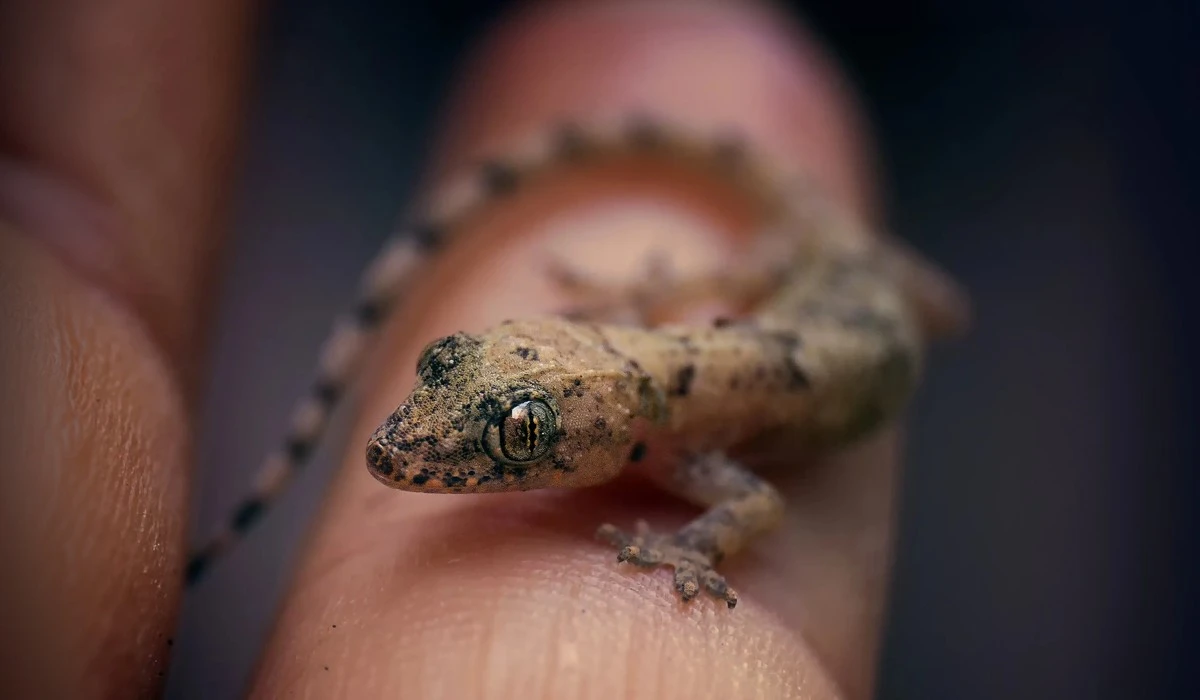
Britannica describes granular scales as beads formed by the reduction of scales to small, non-overlapping granules. The source further explains that these small bumps allow the skin to achieve its highest level of flexibility. This flexibility helps the gecko squeeze into tight cracks to hide from birds.
Imbricate scales overlap like roof shingles. They protect the animal from sharp rocks and thorns. As stated by IntechOpen, the heavily keratinized layer of the epidermis prevents water loss in species with this overlapping style. Mucronate scales end in a sharp posterior point. These points stop predators from grabbing the reptile. They make the animal feel like a pincushion.
The Importance of Micro-ornamentation
Research in PMC notes that scientists use scanning electron microscopy to study features that are only visible at a microscopic level. These researchers identify the outermost structure of the scales as the Oberhäutchen layer. It bears microspikes that dictate how much friction the animal creates.
A study published in PubMed found that condensation can fill skin capillaries in desert lizards, even if the amount is not sufficient for drinking. The research further explains that the skin capillary system requires a specific volume of water, often collected from dew, to move moisture directly to the lizard's mouth. This tiny geography makes life possible in places with no rain.
Understanding the Molecular Foundations of Keratinous Plates
IntechOpen clarifies that scales are folds in the surface epidermis rather than bone. Britannica notes that these structures consist of keratin, the same substance found in human hair and fingernails. However, reptiles use a specialized version called beta-keratin. This protein provides a hard, crystalline structure.
How do you count snake scales for identification? According to research in PMC, experts use standardized methods such as counting dorsal scale rows at the mid-body and defining the shape of the loreal scale to differentiate between similar species. This counting method provides a reliable way to name a species. It creates a universal language for researchers worldwide.
The Distinction Between Alpha and Beta Keratins
ScienceDirect reports that the reptile epidermis produces two categories of proteins: soft alpha-keratins and hard beta-keratins. The combination makes the skin both tough and flexible. This allows a snake to swallow a meal wider than its own head. The hard scales protect the outside, while the soft skin stretches underneath.
Hinge Regions and the Biomechanics of Movement
The space between scales is the hinge. Britannica specifies that this area contains only alpha-keratin. It works like the joints in a suit of armor. Without these soft spots, the reptile could not move or breathe. It would be trapped inside a rigid box. These hinges allow for the expansion of the body during a large meal or when a female carries eggs.
Taxonomic Keys and the Art of Scale Counting
Within the field of Herpetology, numbers matter more than colors. Colors fade after death or change with the seasons. Research published in the Zoological Journal of the Linnean Society indicates that scale counts are essentially fixed for the duration of the animal's life. This makes them the ultimate ID card. This process is called pholidosis.
Researchers count the scales around the mouth. They count the scales on the belly. These numbers never lie. They help scientists find new species that look exactly like old ones. For example, the number of scales under the tail helps tell a harmless snake from a venomous one.
Advancing Herpetology Through Non-Invasive Imaging Techniques
Modern technology has changed Herpetology. We no longer need to harm animals to study them. High-tech scanners create 3D models of every scale. These scanners use X-rays to see through the skin. This shows us the internal structures, too.
Are reptile scales made of the same thing as human fingernails? Britannica notes that both contain keratin, though reptiles utilize a specialized beta-keratin that provides significantly more hardness and water-resistance than the alpha-keratin found in mammals. This extra hardness allows reptiles to survive abrasive sand and rocky cliffs.
Shifting from Physical Vouchers to Digital Morphology
Digital models last forever. Scientists share these files across the world. A researcher in London can study a rare snake from Brazil without it ever leaving the jungle. This speeds up the pace of findings. These "cyber-types" preserve the animal's likeness for future generations.
Evolutionary Drivers Behind Unique Scale Structures
Every scale tells a story of survival. The process of evolution shapes these plates over millions of years. Desert dwellers have scales that reflect heat. Forest dwellers have scales that mimic leaves. Scale morphology analysis shows these secrets.
It shows how a species changed to fit its home. Small changes in scale shape can mean the difference between life and death. For instance, the Thorny Devil has evolved large spines to discourage predators. These spines also help it collect water in the Australian outback.
Overcoming Challenges in Reptile Scale Morphology Analysis
Sometimes the data is messy. Shedding skin can hide important details. Damaged scales from a fight can confuse a researcher. Experts learn to look for patterns. They look at the scales that don't get damaged easily.
They compare multiple specimens to find the true count for that species. They also account for growth. While a reptile grows larger, it does not add more scales. The scales simply get bigger. This consistency allows researchers to identify an animal, whether it is a baby or an adult.
The Future of Herpetology in Digital Morphometrics
Computer algorithms now help with the heavy lifting. Specialized programs can count scales in seconds. This allows humans to focus on the big questions. The field of Herpetology is entering a productive period.
We have better tools than ever before. We are finally seeing the full picture of how reptiles conquered the land. We can now track how climate change affects scale development in real-time. This helps us predict which species might struggle as the world warms.
The Lasting Influence of Gaining Expertise in Scale Analysis
Gaining expertise in the details of scale changes your perspective. Following this observation, one stops seeing a simple animal and starts seeing a great work of biological engineering. Every ridge and pit serves a function that allows life to thrive in the desert or the deep jungle.
The study of Herpetology offers a window into the past. It provides a map for the future. Every scale holds a piece of a larger puzzle. When you learn to read that puzzle, the natural world becomes clear in ways you never imagined. Your eyes begin to see the stored data in the patterns of the wild.
Recently Added
Categories
- Arts And Humanities
- Blog
- Business And Management
- Criminology
- Education
- Environment And Conservation
- Farming And Animal Care
- Geopolitics
- Lifestyle And Beauty
- Medicine And Science
- Mental Health
- Nutrition And Diet
- Religion And Spirituality
- Social Care And Health
- Sport And Fitness
- Technology
- Uncategorized
- Videos

